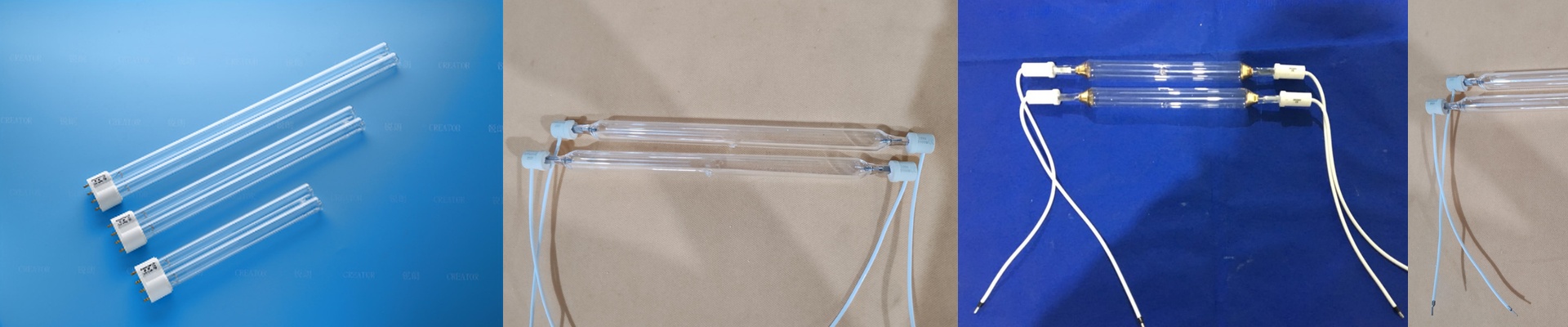
Getting the Wavelength Right in Mercury UV Lamps
A lot of lamps out there brag about “broad spectrum” output. We do things differently. In our lab, we’re obsessed with the details. We isolate specific emission lines of mercury vapor to hit a very precise target—usually that 254nm UVC line. Why? Because this isn’t about lighting up a room. It’s about hitting the exact absorption peak of your photo-initiator. When you get that match right, you get a complete cure without accidentally cooking your substrate.
Tuning the Gas
To get the light we want, we play around with the internal pressure and the purity of the mercury fill. But the glass matters just as much. Standard glass is a wall; it blocks UV. That’s why we use high-purity synthetic quartz. It lets those shortwave rays slide right through. There’s a bit of a balancing act with the tube wall thickness, too. If it’s too thick, you’re losing intensity. If it’s too thin? The lamp will shatter the moment it hits a high-vibration industrial floor. We find that sweet spot where it’s tough enough to take a beating but clear enough to let the light work.
Heat and Power
Running a mercury lamp takes a very specific voltage arc. We’ve spent a lot of time designing electrodes that don’t sputter. That keeps the tube from getting that cloudy, dark look over time. Now, high-wattage density gives you the power you need, but it getshot. Really hot. You’ll want to double-check that your cooling fans or water jackets are up to the task. If the lamp overheats, the mercury vapor pressure shifts. Once that happens, your peak wavelength drifts, and suddenly your cure isn’t as consistent as it was ten minutes ago.
Putting Them to Work
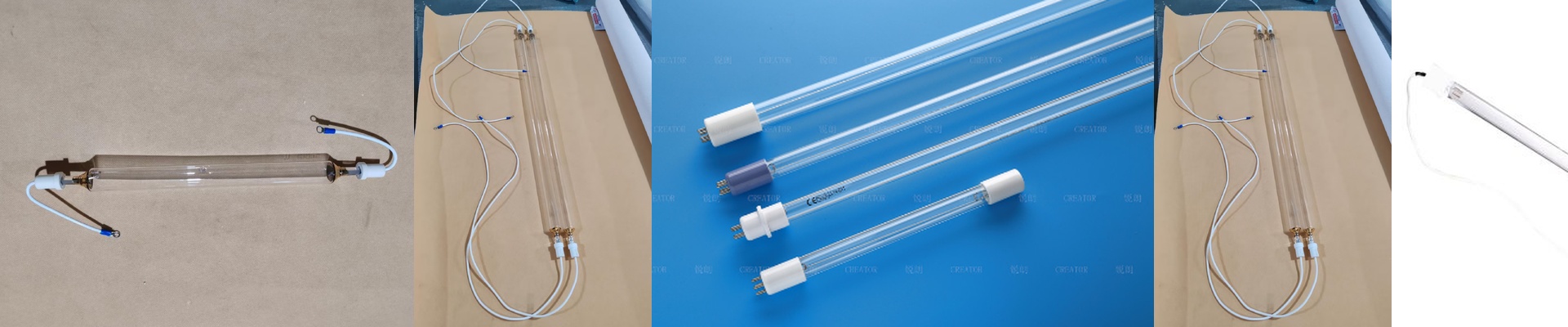
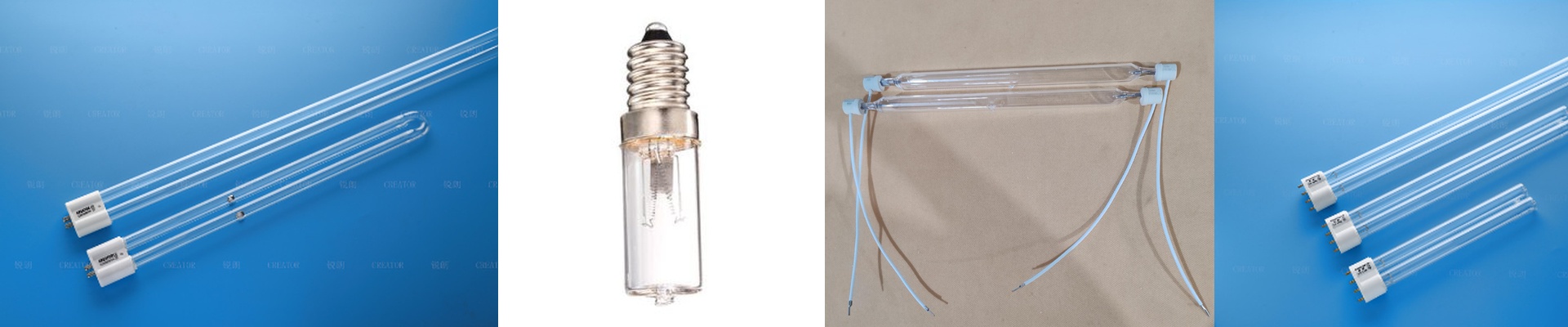
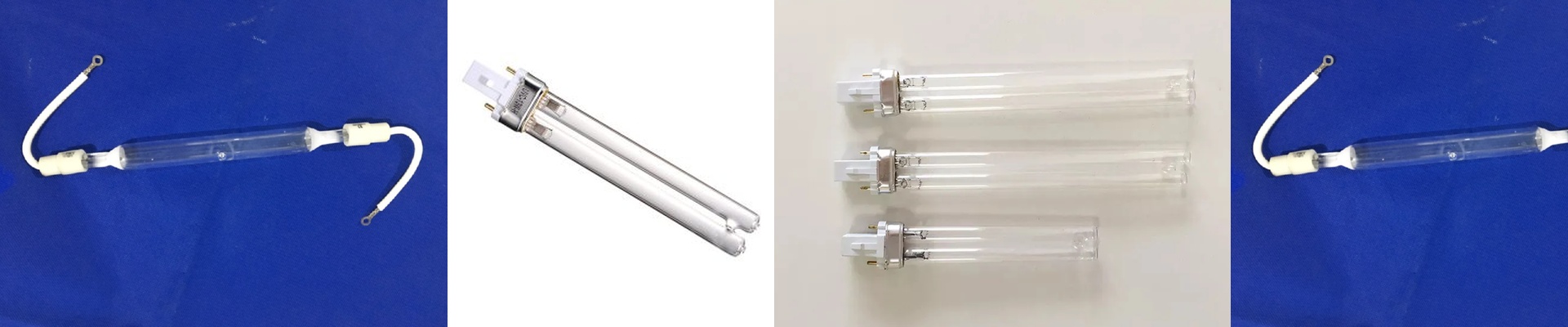
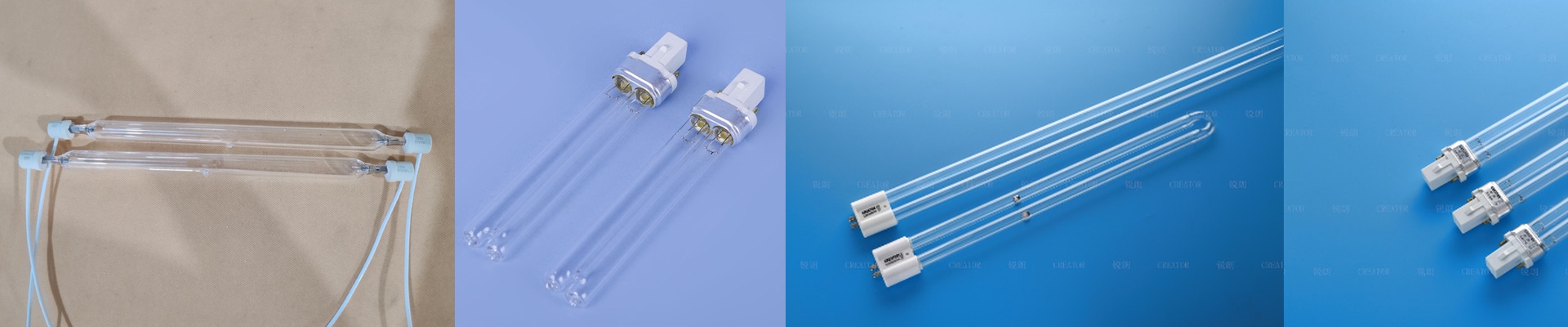
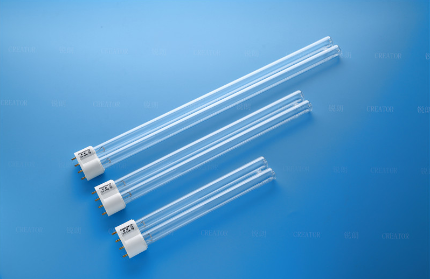
We designed these to be simple drop-in replacements for your existing OEM arrays. We matched the footprint and the electrical pins exactly, so you don’t have to spend your afternoon rewiring a ballast. We also test every single batch for spectral purity. A shift of just a few nanometers can tank your curing speed. To keep things transparent, we give you the raw data sheets. That way, you can see exactly how the output lines up with your specific resin or coating. No guessing involved.