Introduction
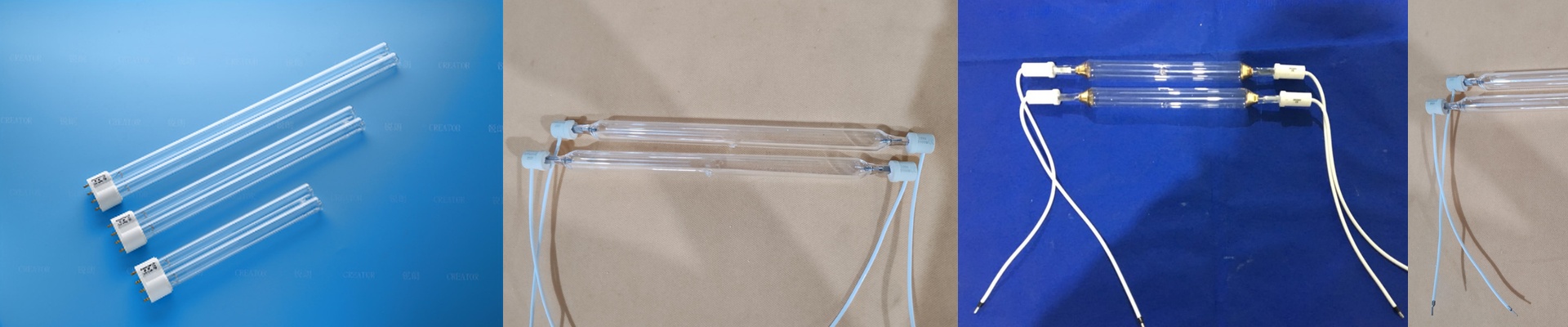
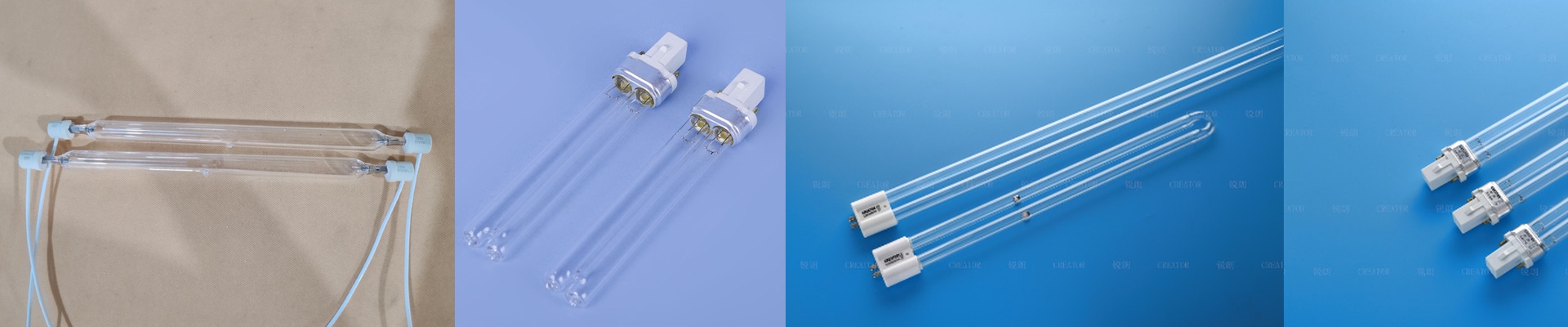
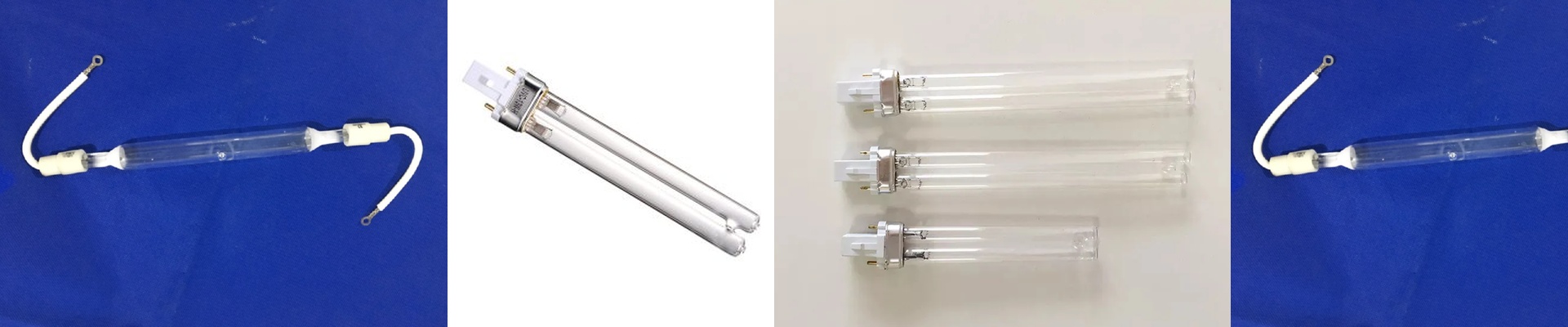
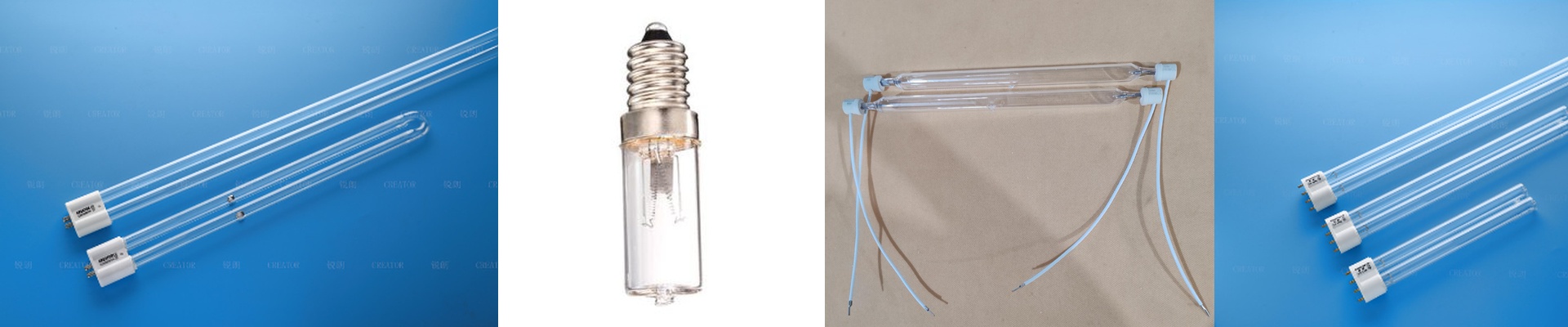
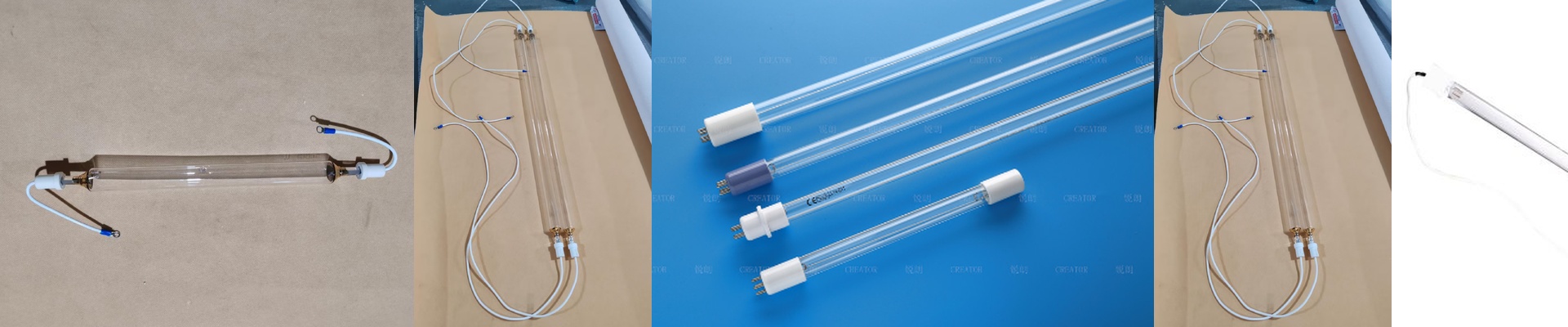
We built our 2026 UV high-pressure mercury lamp to be a production-ready workhorse, not a lab curiosity. It’s all about giving you serious curing power, on demand, when the print line is screaming for speed. At the 2026 printing show, our custom UV module got a real reaction. Because it’s not just another bulb. It’s a system, built to fit the way your shop actually runs—tight tolerances, fast lines, and zero room for guesswork.
Power, Voltage, and Size: The Real-World Details
This lamp runs at high voltage, and that’s by design. It keeps the arc steady and the UV output consistent, right where you need it. Higher voltage in a compact body means predictable performance, day after day. And the dimensions? We built the module to match standard reflector housings. So it drops in clean, without a major refit. Power is sized to pack a punch in a short dwell time. That’s exactly what you need when your line is moving fast and the curing window is tiny. But here’s the thing: high power means high heat. This lamp runs hot. So your machine’s cooling and airflow have to be up to the task. If they aren’t, you risk overheating the head and cutting the lamp’s life short.
Materials and Design: Built to Handle the Heat
The tube is quartz, because it can take the thermal shock and the extreme temperatures of a high-pressure mercury discharge. We also apply a controlled coating to focus the energy where the ink or coating actually cures. For the electrical side, we went with an R7s-type connector. It’s a practical choice—solid contact, handles the current, and makes wiring straightforward and repeatable. The whole module is a compact assembly, so swapping it in feels like a simple replacement, not a re-engineering project.
What It Feels Like on the Floor
In screen and digital printing, this setup cures fast, even across wide formats. The high-pressure mercury spectrum delivers the UV intensity needed to set inks and coatings quickly, so your line keeps moving. We designed it to survive real production. It holds steady through continuous cycles, and the connector setup cuts down on maintenance time. If you need a 2026-ready curing solution that meets your power and voltage requirements, installs clean, and keeps running—this module is built for that reality.