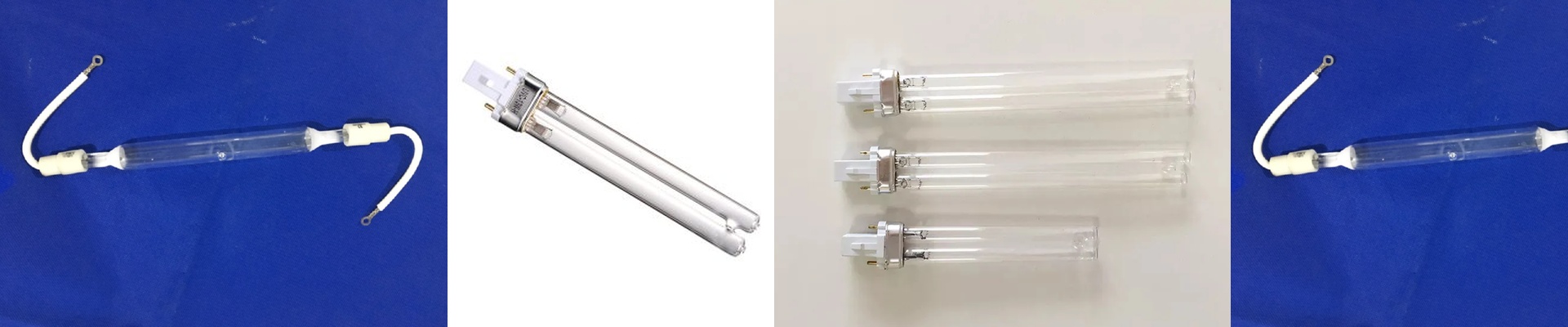
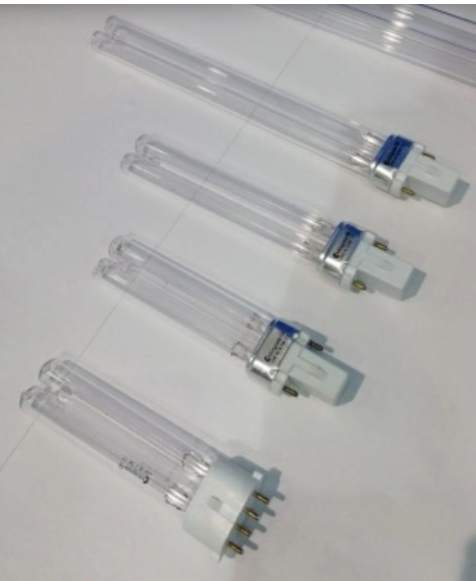
On the plant floor, voltage swings aren’t theory—they happen. A 10% drop flattens spectral output. A 10% surge pushes the arc, shifting the peak and wasting energy. When your UV lamp has to deliver instant, deep-penetrating cure, that instability shows up fast: adhesion loss, surface tack, and runs that end up in the scrap bin. What actually matters under the hood We built our voltage compensation around a closed-loop arc control that holds lamp current in a tight band, regardless of supply fluctuations. The payoff is repeatable spectral output across the mercury lines—254 nm, 365 nm, and the visible output that drives photoinitiators—so peak irradiance stays predictable at the substrate. That stability keeps the dose profile right for full cross-linking, even on thick ink films and dense pigments. Why this holds up in real conditions In harsh environments, the compensation keeps the lamp at its design operating point. You get consistent cure speed without constantly chasing power settings, and you avoid the output drift that messes with surface finish and weakens interlayer bonds. The lamp holds energy density where it counts—instant cure at the surface, penetration through the film—without overexposing the substrate. A few shop-floor details The system works with standard high-pressure mercury vapor lamps, and you’ll need a dedicated ballast with the proper rating, plus reflector alignment on point. Expect a small bump in cabinet footprint for the compensation module, and confirm grounding and thermal clearances during install. And yes, you still have to match the lamp’s spectral output to your ink’s photoinitiator window to get the best results.