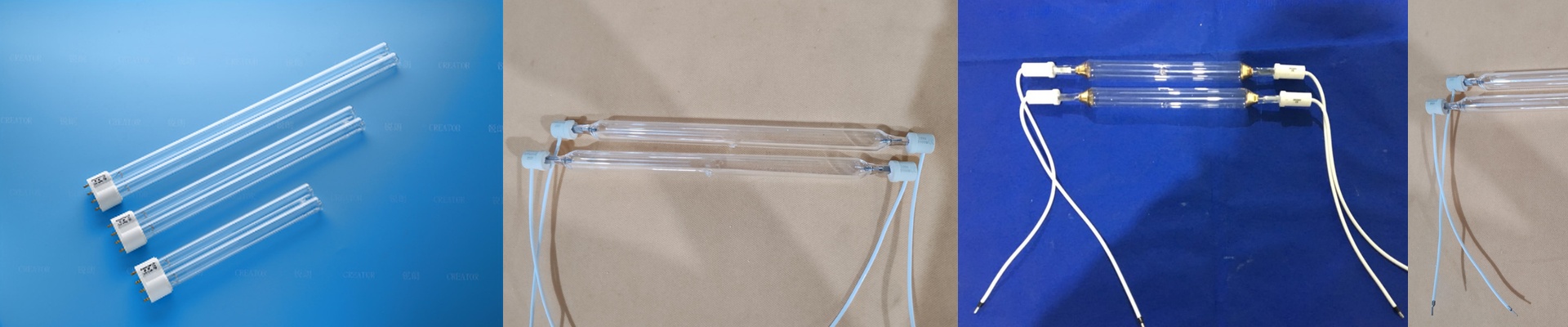
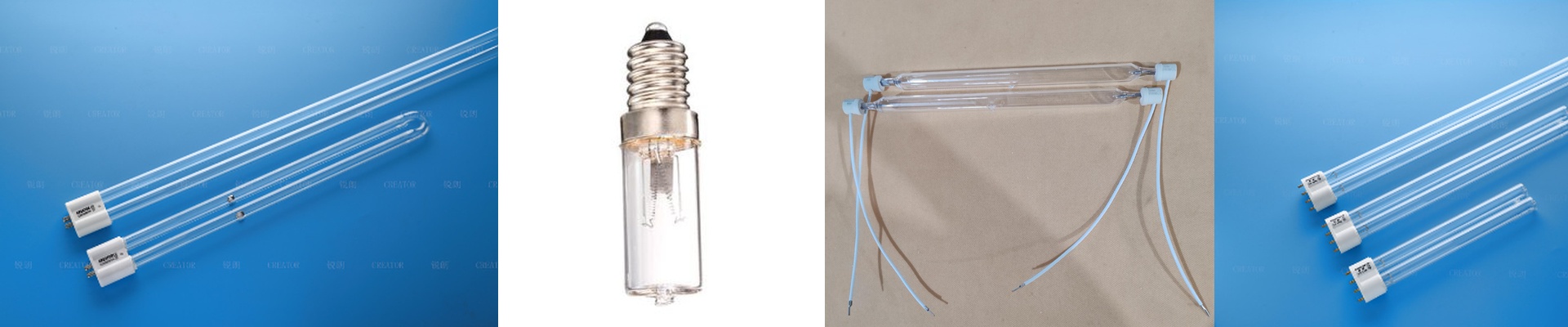
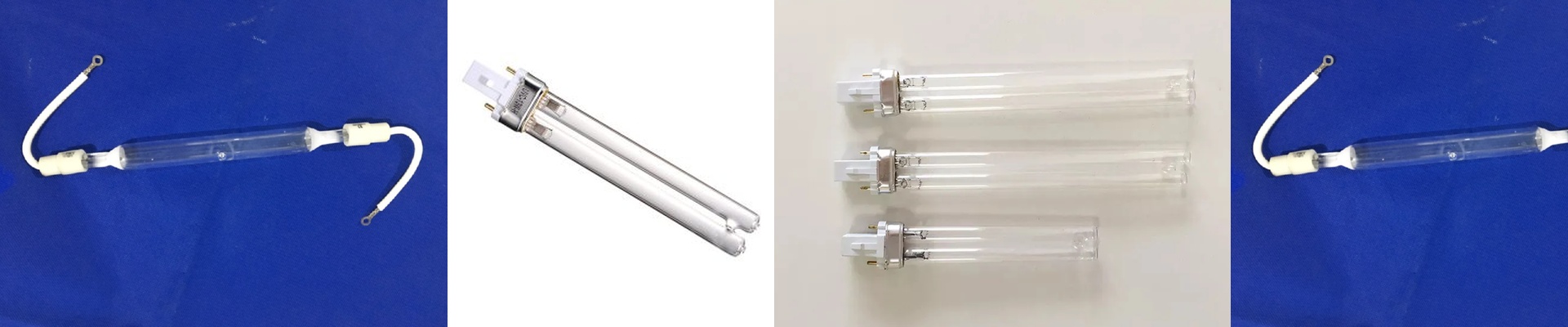
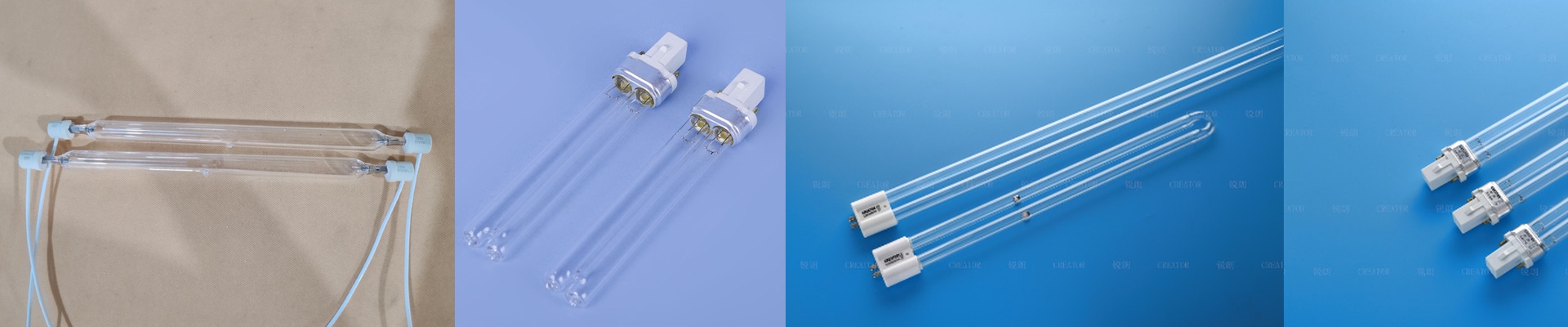
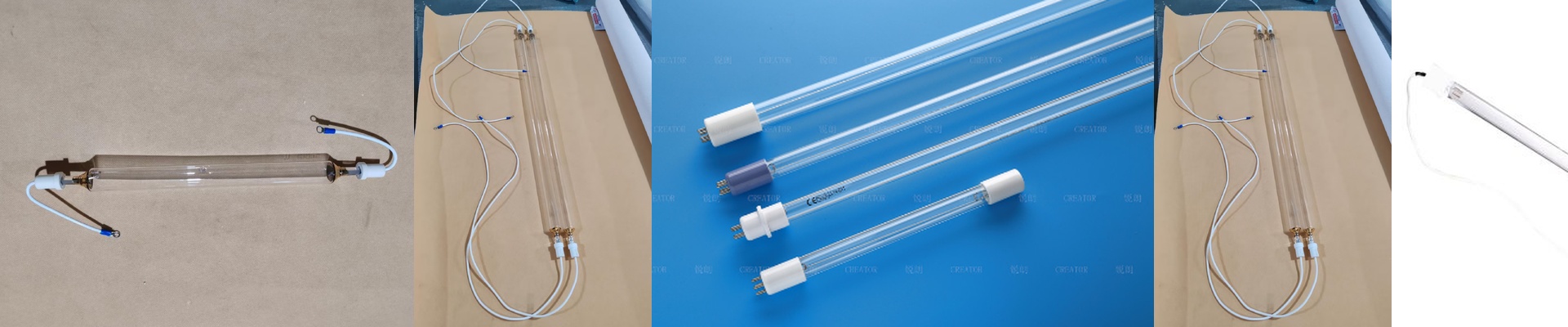
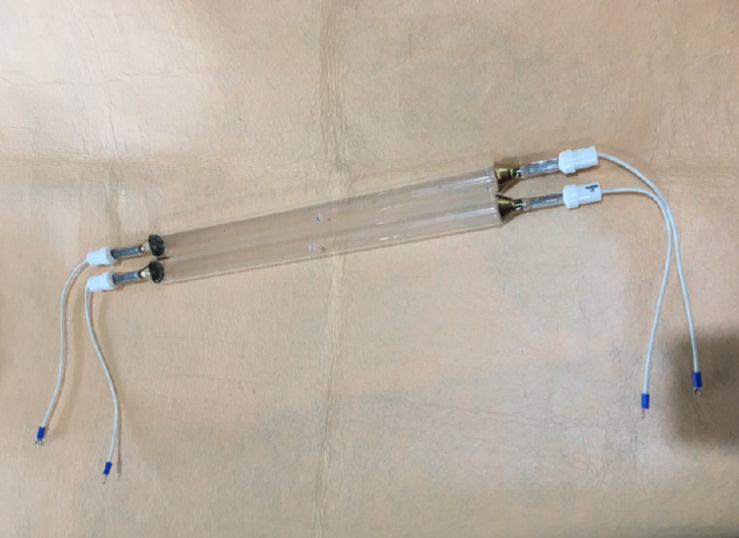
On the press floor, heat-sensitive fabrics don’t give you any slack. Run a conventional mercury lamp and you’ll drive shrinkage, scorching, and misregister before the ink even has a chance to set. That’s why we built a cold-source UV system—to cure the ink without turning the substrate into a hot plate.
What matters under the hood
The lamp is tuned to a controlled spectral output centered on 395 nm, matched to the photoinitiators in textile UV inks and keeping IR radiation in check. Peak irradiance hits 12 W/cm² at the arc, with ±8% uniformity across the cure window. Output stays stable within 3% over 8,000 hours, and total energy density is repeatable at 600–800 mJ/cm², depending on line speed. The quartz arc tube and dichroic-coated reflector keep the heat away from the substrate, and the ozone-free design keeps ventilation simple.
Why it plays nice with heat-sensitive fabrics
The payoff is measurable. The cold-source profile holds substrate temperature below 45°C, so you don’t get distortion and you keep register tight. You get consistent cross-linking across the full print width, even at 150 m/min, with no sticky set-off. Less thermal stress also preserves hand-feel and color fidelity. Energy draw drops, and lamp replacement intervals stretch out, which means less downtime.
The practical details you can’t skip
Cold-source curing needs to be married properly to the printer—web path, reflector geometry, the whole stack-up—or you won’t hit the target irradiance. Make sure your ink’s photoinitiator absorption lines up with 395 nm, and verify your chilling and airflow match the lamp housing. Looking ahead to 2026, get your ducks in a row now. Lock down lamp end-of-life procedures and local rules for mercury-containing lamp disposal, and make sure your documentation covers traceability for lamp hours, output logs, and waste manifests.