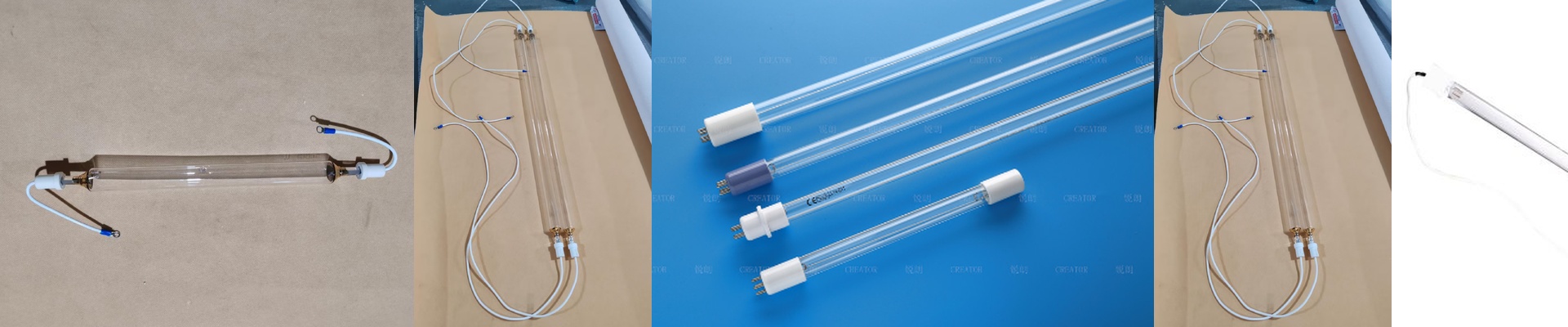
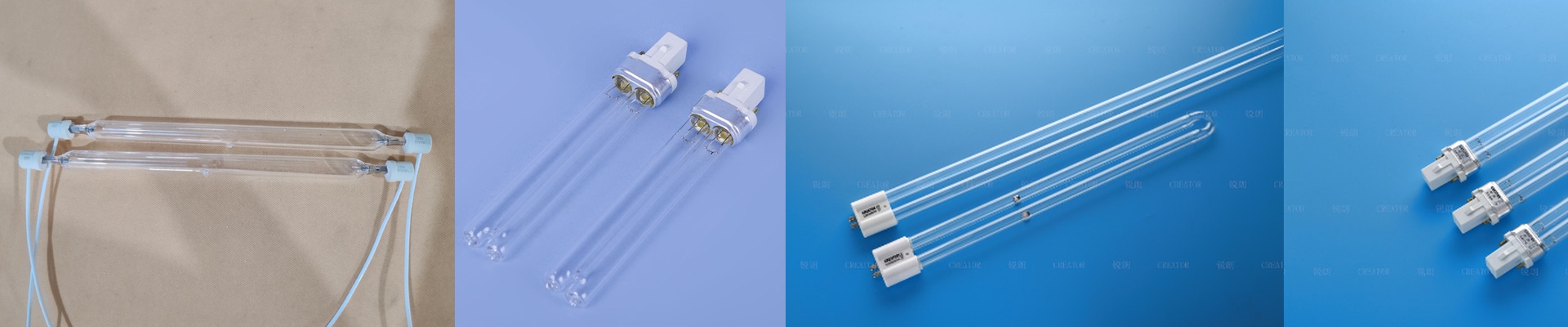
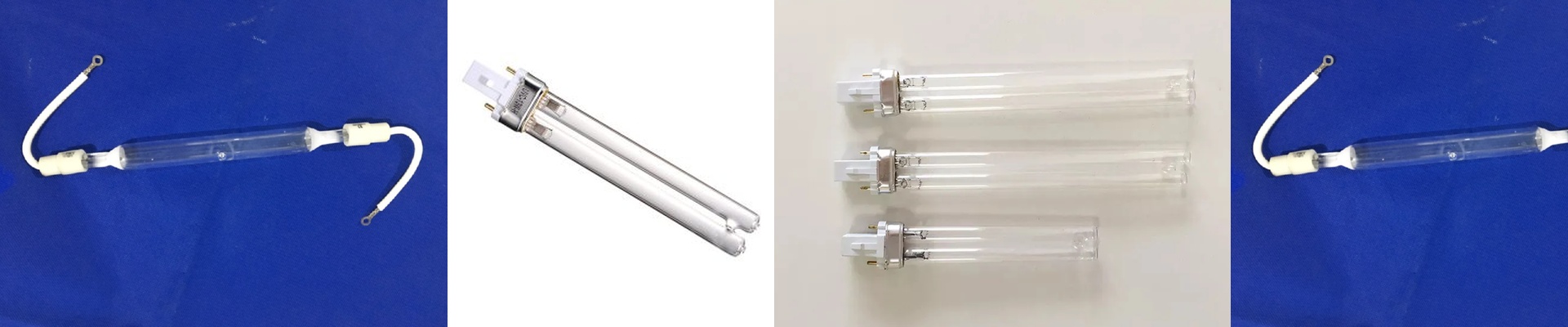
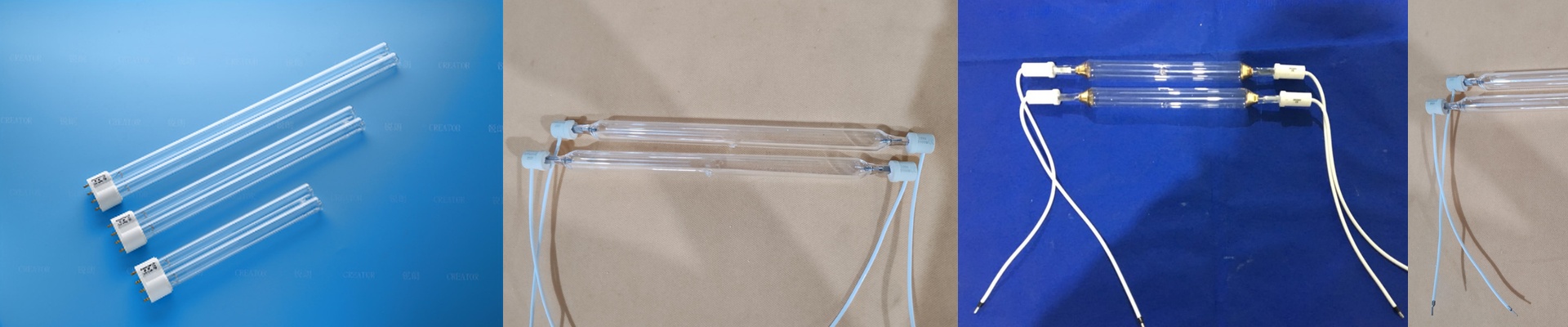
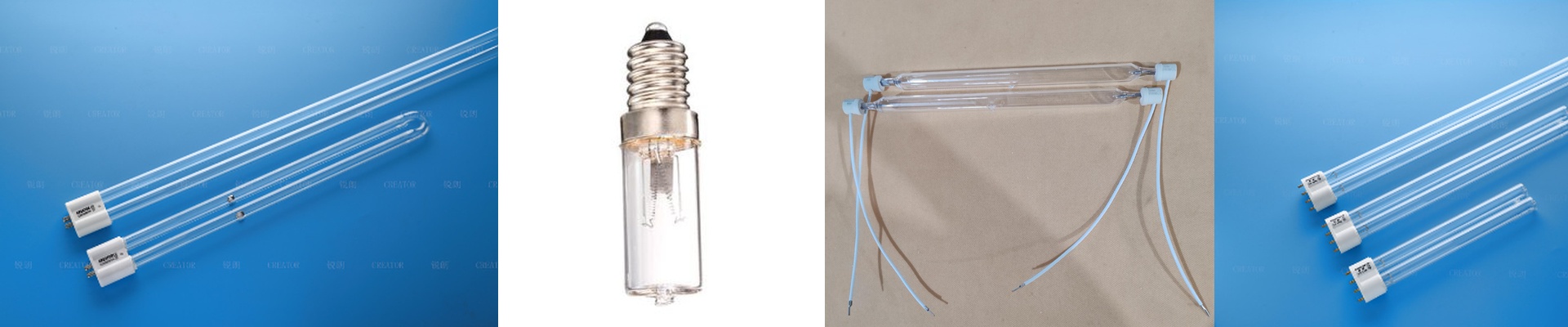
On the leak-detection line, you can’t gamble with a lamp that takes its time warming up or loses punch halfway through a run. Every flash has to be repeatable. If it isn’t, the fluorescent tracer won’t show the pinholes, and false passes slip right by. What matters under the hood We built the lamp around a low-thermal-inertia cathode, tuned for high-current ignition and a steady arc, flash after flash. Peak irradiance hits in 0.3–0.5 seconds, with stable spectral output centered at 365 nm to cleanly excite the fluorescent leak indicators. Typical operating power runs 1–3 kW. Quartz envelopes and dichroic reflectors shape the beam and keep heat off the substrate. The cathode geometry eases thermal stress, so the arc doesn’t wander between flashes. We rate lamp life at ≥100,000 flashes under controlled duty cycles, and output stays within ±5% over life, measured against a calibrated spectral radiometer. Why this design fits the job Leakage detection is all about fast, repeated flashes—not continuous curing. A conventional mercury lamp can drag its feet, and then excitation varies, which means operator readings vary. With the low-thermal-inertia approach, the arc stays stable from flash to flash, so the same mJ/cm² lands on the same spot every time. That translates into fewer re-inspections, less scrap, and cycle times you can plan around. You also save energy, because the lamp spends less time warming and more time in the exposure window you actually need. Field notes to save you headaches Match the lamp to the driver and igniter. Be specific on voltage, connector, and fixture footprint so you don’t get stuck with mismatched terminations. Keep the quartz clean. Fingerprints and coolant residues will skew spectral output. Expect a brief current spike at ignition—make sure the power supply can handle the transient without tripping protection. For repeatability that holds up, set flash duration and duty cycle based on your radiometer readings, not the label on the lamp.