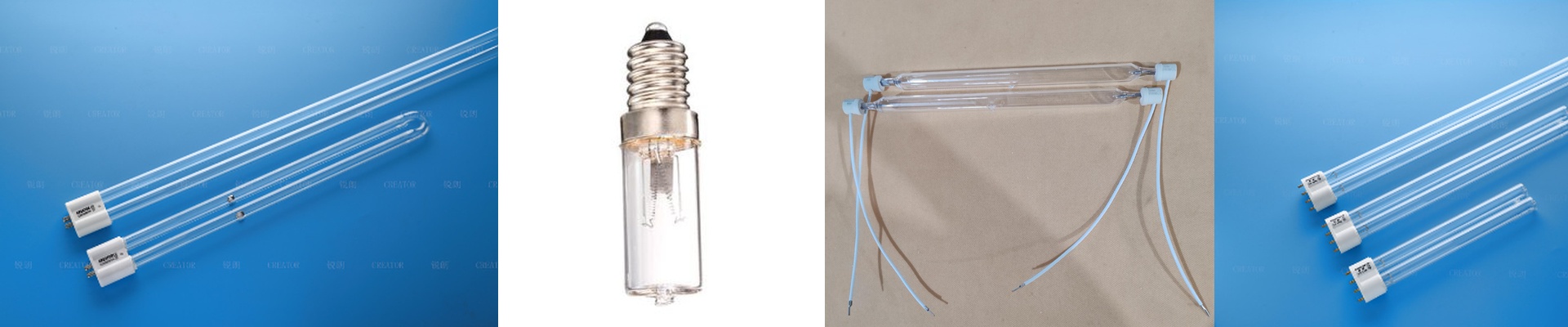
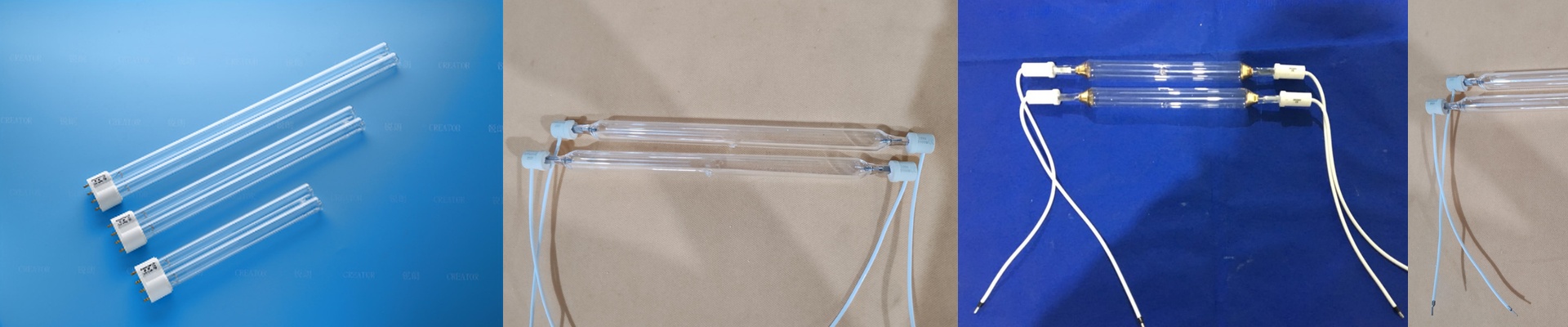
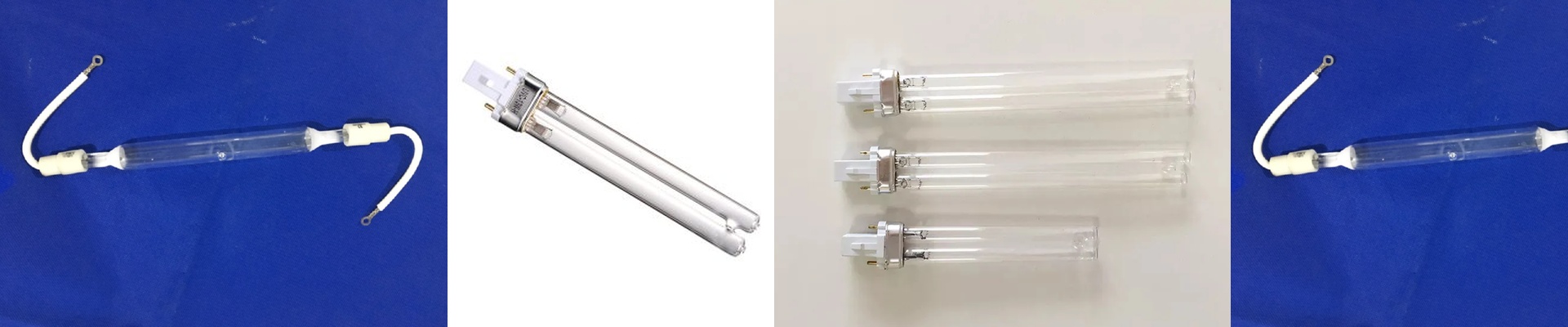
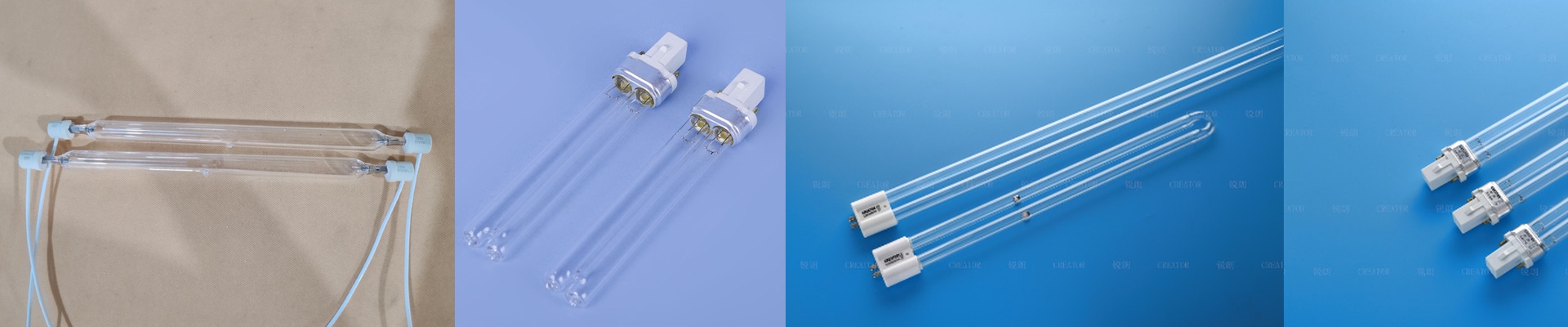
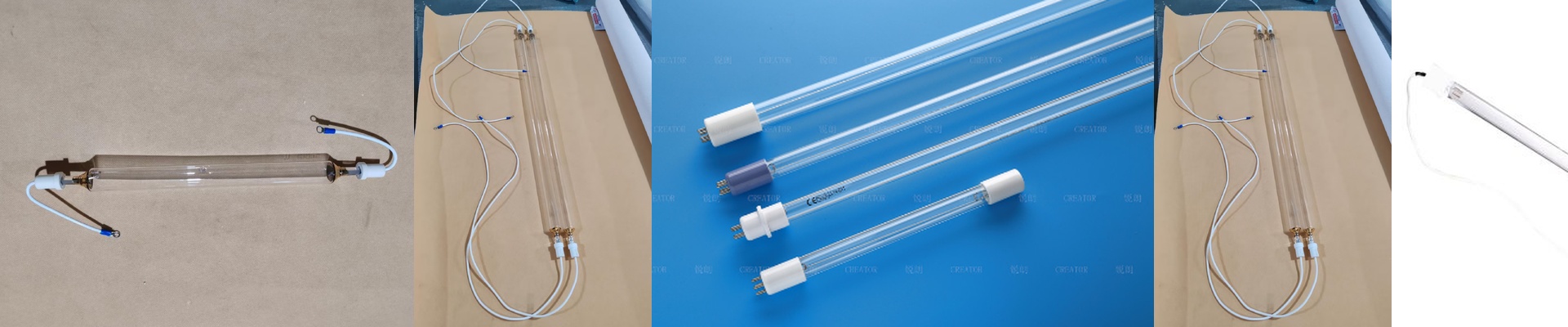
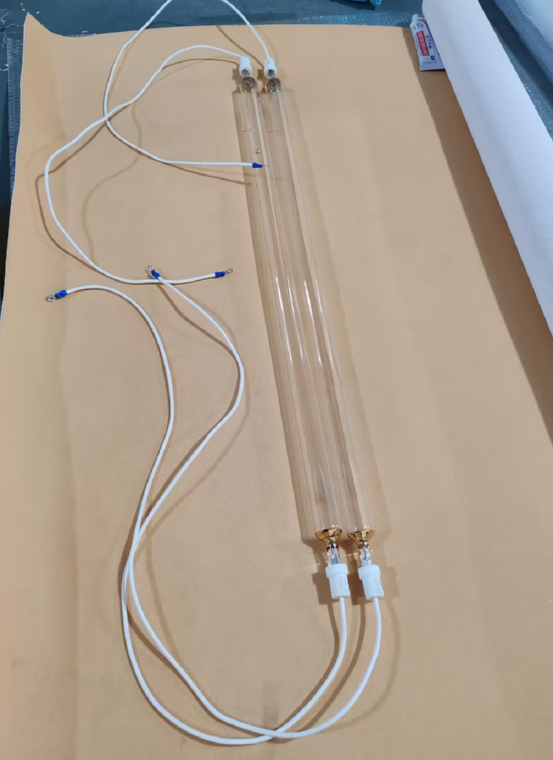
On the floor, you’re running a job at 12,000 sheets per hour. Ink laydown is right, registration holds, and the curing unit is exactly where you don’t want surprises. Then the lamp output drifts—just enough to shift the energy density at the substrate. You see it at the tail of the run: tack on the stack, scuffing downstream, and scrap that never should have happened. We built the next generation of ozone-producing UV lamps around that reality: controlled spectral output, stable peak irradiance, and energy behavior you can actually track from the control room. The differentiator isn’t hype. It’s measurable curing energy—repeatable, and monitored in real time.
What actually matters, technically
An ozone-producing UV lamp isn’t just a light source. It’s a photochemical tool, and its value comes down to spectrum, delivered energy, and stability over time.
- **Wavelength and spectral profile:**These lamps are built around mercury vapor emission lines that drive photoinitiator absorption. The dominant output is centered at 365 nm, with significant energy at 254 nm and other mercury lines. The 254 nm line is what generates ozone in air—and it’s also where many photoinitiators respond fast. We tune the envelope using dichroic coatings and quartz selection to balance 365 nm and short-wave output for your ink chemistry.
- **Peak irradiance and power density:**Peak irradiance (mW/cm²) sets how fast the surface cures. Power density at the arc (W/cm) defines the thermal load and the intensity window. For high-speed offset and flexo, we target peak irradiance that clears the surface without cooking thin substrates. The lamp is built to deliver repeatable peak irradiance across the full reflector width, so you’re not chasing hot spots at the edges.
- **Curing speed and energy density:**The line doesn’t negotiate with physics. Energy density (mJ/cm²) at the substrate is irradiance multiplied by exposure time. We specify lamp output so the required energy density is hit at your press speed, with margin for startup, changeovers, and lamp aging. If you’re curing opaque whites or thick screen inks, the lamp has to deliver higher total energy without pushing temperature up.
- **Light stability and output decay:**Mercury lamps age, and the decay curve matters more than the initial number. We design for a controlled, predictable decay profile—less than 5% output drop over the first 1,000 hours under stable conditions, and manageable degradation after that. Remote monitoring turns that predictability into a maintenance plan: you replace based on data, not guesswork.
- **Ozone generation and handling:**Ozone forms when short-wave UV (mainly 254 nm) hits oxygen. That can be useful when you want strong surface oxidation for adhesion or activation, and it can be managed with proper airflow and exhaust routing. If the process needs it, the system is configured for repeatable ozone flux. If it can’t tolerate ozone, we shift the spectral balance and manage the air path to minimize it. The point is control—not collateral.
- **Remote energy monitoring:**We integrate energy monitoring into the lamp system—arc power, lamp voltage, temperature, and run hours. The data is visible on the press HMI and exportable to your MES. You’re seeing energy delivered, not just “lamp on.” That visibility removes a real source of variability: operator adjustments based on feel instead of measurement.
Why this works where it counts
This is industrial printing—UV offset, flexo, and screen lines where uptime, consistency, and cost per part are non-negotiable.
- **Predictable cure at high speed:**When peak irradiance is matched to line speed, the lamp hits the required energy density at the substrate every time. That means fewer tack-related stoppages, less off-spec material, and throughput that stays stable.
- **Thermal discipline on sensitive substrates:**A stable spectral envelope and controlled power density keep substrate heating in check. You can run thin films and heat-sensitive laminates without compromising cure depth.
- **Fewer variables to fight:**Remote energy monitoring takes the guesswork out of lamp performance. Instead of running to failure, you run to a data-driven end-of-life. Changeovers are faster because you can confirm lamp output is in spec before you start wasting stock.
- **Maintenance that fits real schedules:**Lamp life is measured in thousands of hours, and the system tracks it. You plan replacements during planned downtime, not during an urgent job. That cuts emergency calls, eases spare inventory pressure, and lowers cost per hour.
- **Process control for inks and coatings:**UV inks and coatings are tuned to specific photoinitiator absorption bands. Matching the lamp spectrum to those bands improves cross-linking consistency. You get better adhesion, improved chemical resistance, and a more stable finish—measured on the floor, not in a brochure.
The things you should plan for (because nobody likes surprises)
No lamp is a plug-and-play black box. There are real constraints.
- **Reflector and geometry have to match the press.**Reflector focal height, width, and curvature are chosen to deliver uniform irradiance across the substrate. Change reflectors or lamp position, and peak irradiance and energy density change with it. We provide mapping data for each configuration.
- **Substrate and ink compatibility still matter.**Even with stable output, some formulations are more sensitive to spectral balance than others. Run a process window test at startup—measure energy density at the substrate with a radiometer and confirm cure performance at line speed.
- **Ozone management is part of the installation.**When ozone is produced, you need an exhaust path and adequate air changes. In enclosed curing zones, airflow design affects both ozone concentration and lamp temperature. If ozone isn’t wanted, we configure the system to minimize short-wave output and specify air routing to prevent buildup.
- **Electrical and thermal conditions affect longevity.**Lamp ignition voltage, ballast matching, and cooling air temperature all influence life and stability. Keep the lamp within its specified thermal envelope, and output stays consistent. Push cooling beyond the limits, and output drift accelerates.
- **Remote monitoring takes integration effort.**The interface is straightforward, but it needs network connection and alignment with your maintenance workflow. Once connected, it delivers real value—energy data, run hours, and early warnings—without adding operator burden. If you’re building smart UV curing for the next generation, start with measurable output, stable peak irradiance, and energy you can track. An ozone-producing UV lamp gives you control over curing chemistry, and remote energy monitoring turns that control into repeatable, scheduled performance on the press line.