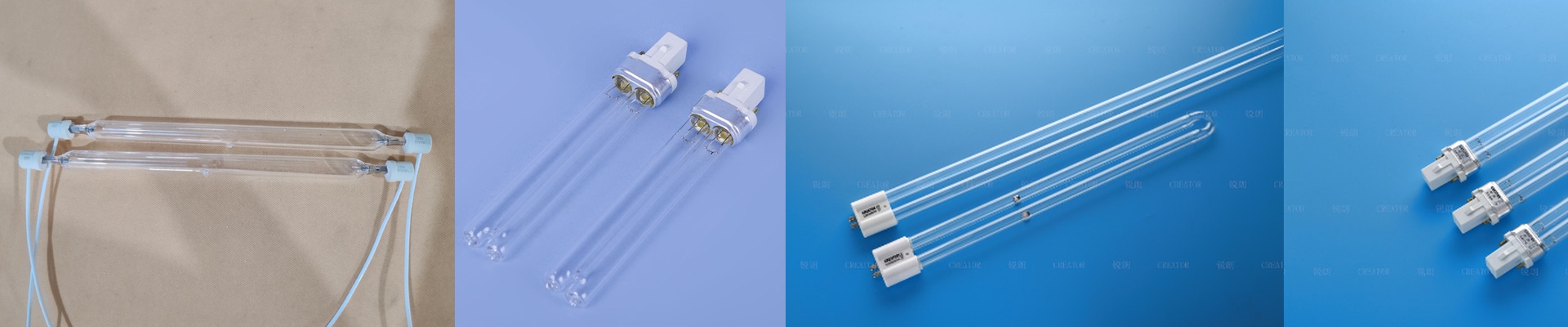
Getting the Most Out of Your UVC in an Aquarium
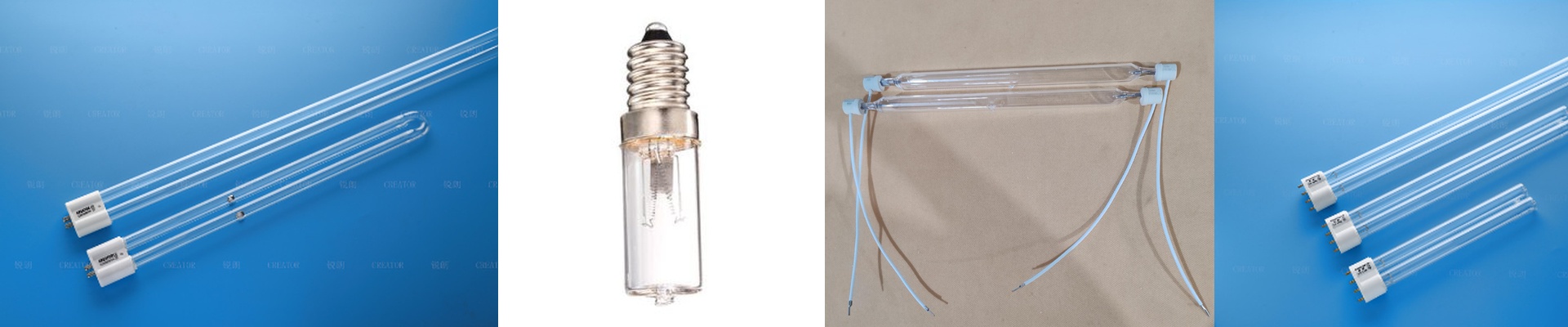
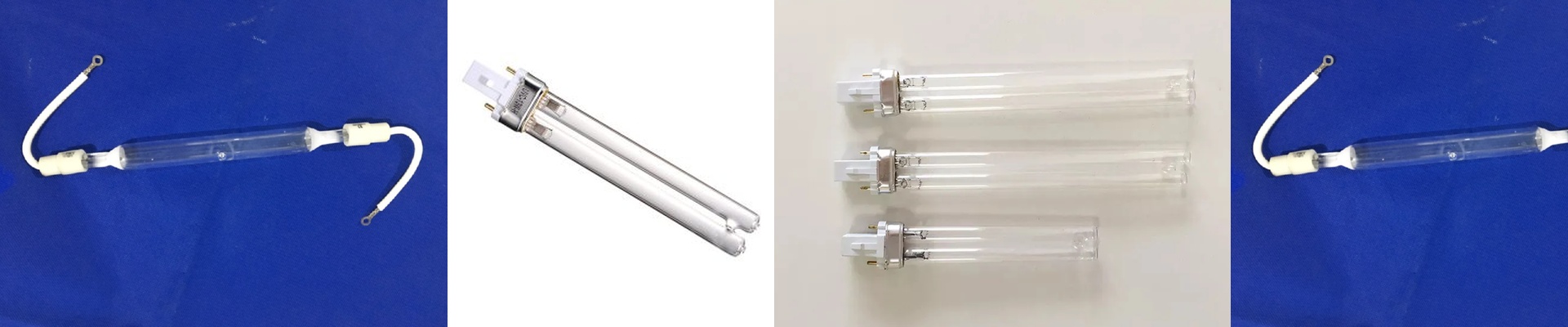
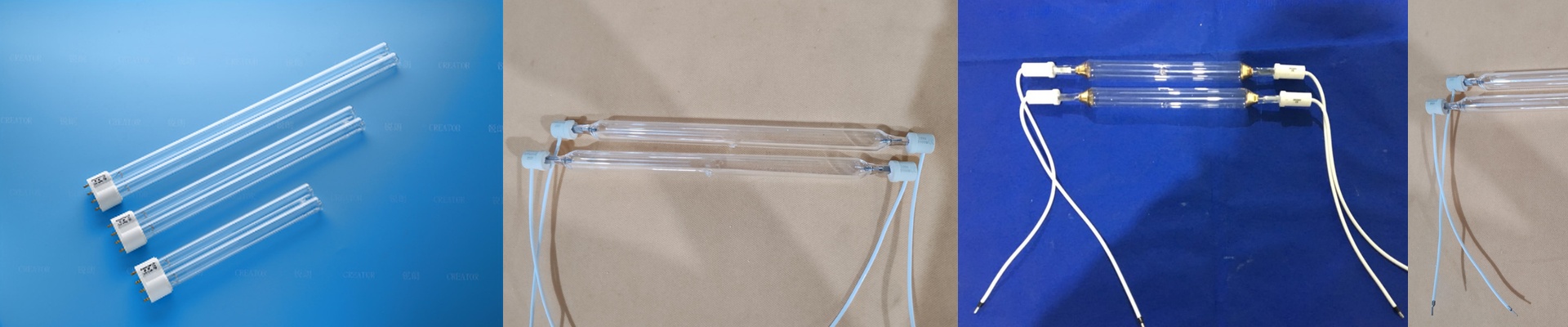
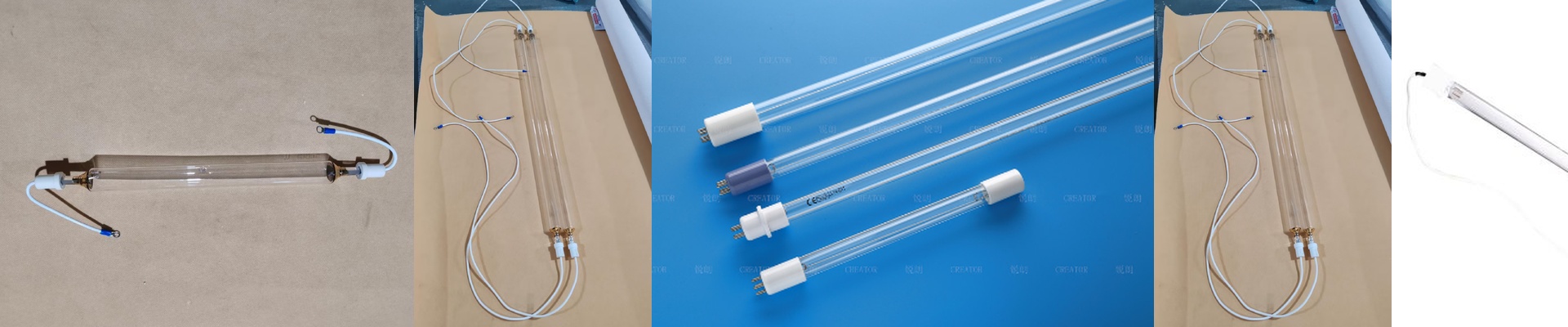
When you’re running an aquarium, clear water and keeping pathogens out aren’t just nice-to-haves. They’re the whole point. That’s why we built UVC germicidal lamps specifically for this environment. They put out a precise 254nm wavelength that takes down algae, bacteria, and parasites—without adding chemicals. It’s clean. It’s focused. And the basic idea is simple: to get enough UV power, you need steady electricity and a crystal-clean surface doing the work.
Power, Voltage, and Geometry—Kept Real
UVC strength comes down to two things: how much power is packed into the space, and how long the water is exposed. We set our lamps to run at a specific voltage and wattage so the photon output stays steady. The tube length and the way the chamber is shaped are chosen to give the water just the right amount of time under the light. Too little power? You’re under-dosing, and the system won’t do its job. Too much? You push the lamp and the whole setup, and that’s when things get stressed. That’s why the specs matter—they’re there to match the lamp to your flow rate and water conditions.
Keeping It Clean So It Keeps Working
UVC lamps use quartz sleeves and special coatings to shield the arc and keep output consistent. But here’s the catch: oils, salts, and organic films can coat the surface. When that happens, UVC gets blocked, and the microbiological load doesn’t get properly treated. So cleaning isn’t optional. Wipe the sleeve with isopropyl alcohol. Never touch bare quartz with your fingers. And check the O-rings. Do that, and you protect the lamp’s output curve. In practice, a well-cared-for unit can last about 30% longer than one that’s ignored.
What It Actually Faces—And How to Stay Ahead
Aquarium duty is rough on gear. You’ve got high humidity and salt in the air, and that speeds up corrosion and buildup. We build the hardware to take that beating. But there’s a trade-off: high-output UVC creates a lot of heat. So the reactor housing needs good ventilation—or water cooling, depending on the setup. When it’s time to install, treat it like a drop-in replacement. Check the voltage at the terminals. And put a reminder on your calendar for routine maintenance. That’s how you keep efficiency steady and downtime low—without drama, just steady performance.