Getting the Light Right—Exactly Where You Need It
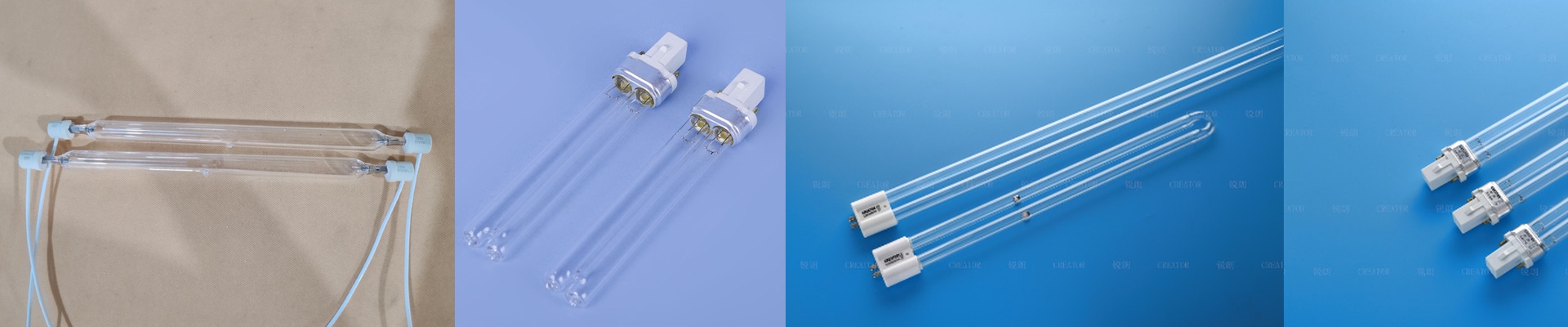
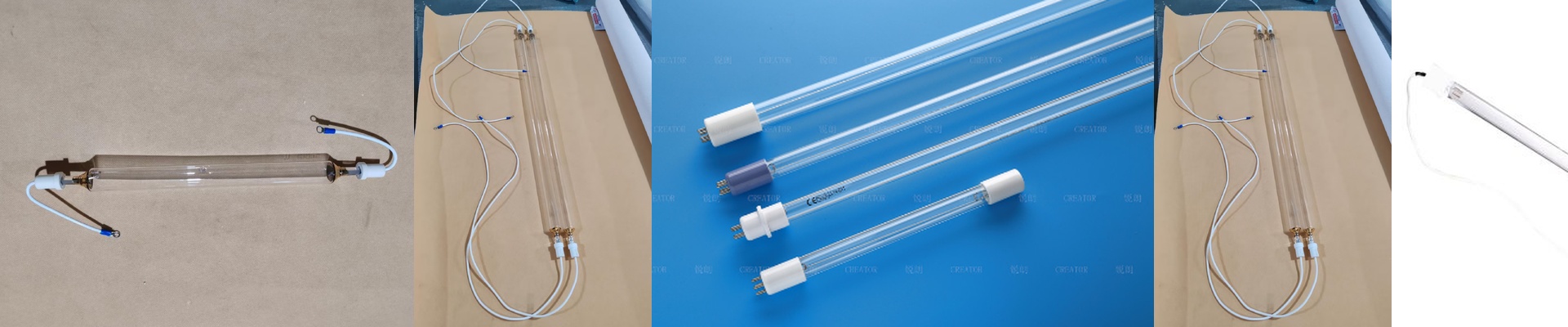
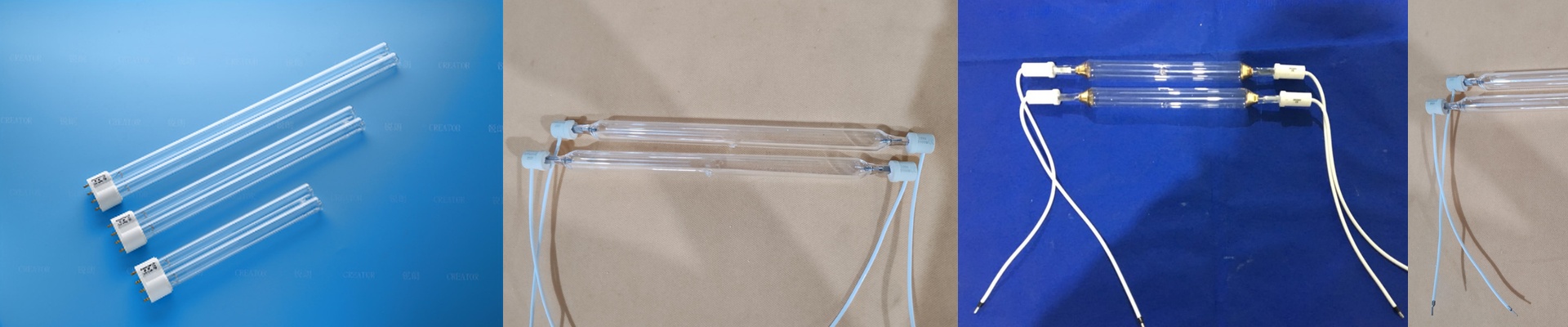
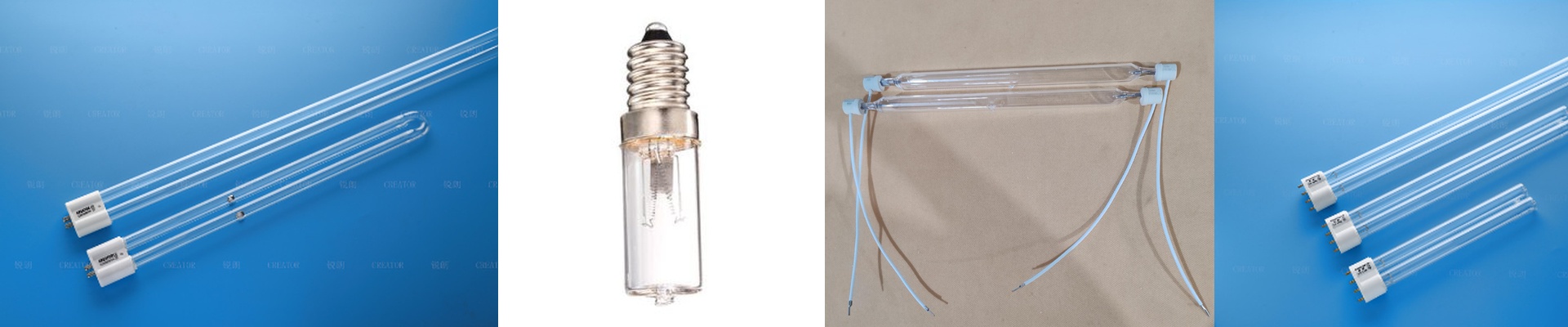
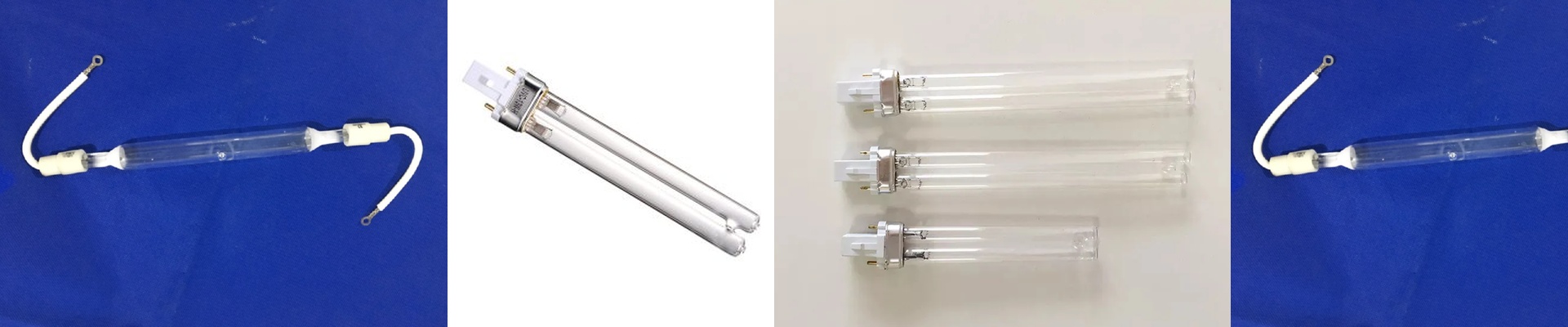
We build our UV lamps around one simple truth: it’s not enough to just make UV light. You have to deliver it the right way, with the right “handshake” to your press. In industrial printing, the real challenge is matching the spectral power to what your inks and coatings actually need—and making sure the lamp drops into your machine without a bunch of rework. So here’s what we do: we match the electrical and mechanical interface to what you already have. Whether your press runs a spiral-head or a plug-in setup, the lamp fits. No re-engineering. No downtime spent rewiring or refitting.
Power, Voltage, Size—And Why Every Inch Matters
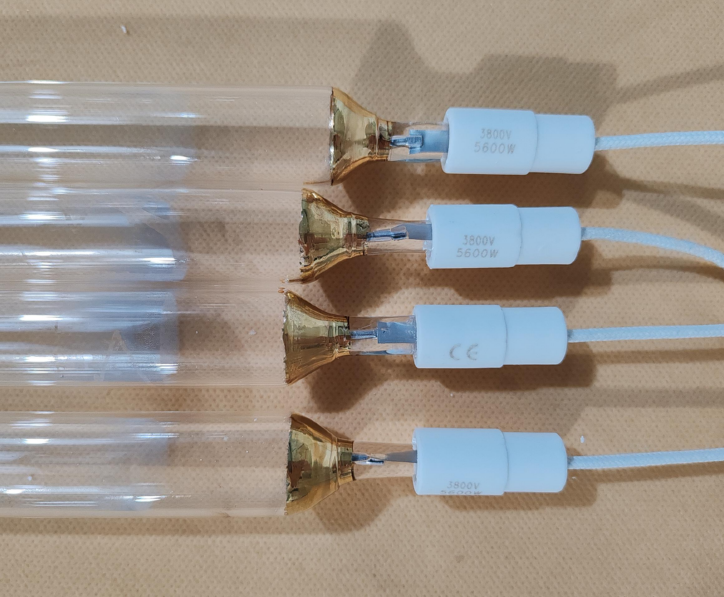
A UV lamp’s output comes down to power density. We set units to run at specific voltages and wattages so the quartz tube produces the UV intensity your job requires. And size? It’s not an afterthought. It’s everything. If the lamp is too short, you get uneven curing. If it’s too long, it won’t clear the housing. So we build our units to tight dimensional tolerances, so the heat profile lines up with the substrate path. Take a 400V 2500W tube—that’s serious heat density. That means your cooling system needs to be ready for the extra ambient heat. Plan for it, and everything runs the way it should.
The Lamp Materials That Take the Heat (Again and Again)
The lamp body is quartz, because it can handle the thermal shock of rapid on/off cycles without cracking. The internal fill and coating are tuned to keep the spectral output stable over the life of the lamp. But the unsung heroes are the connectors. We use R7s and Sk15 types because they handle high current without arcing. And when a lamp needs replacing, it’s straightforward: pull the old unit, plug in the new one, and you’re back up. It’s a true drop-in replacement. Not a custom fabrication project.
Built for the Shop Floor, Not a Showroom
Downtime in the press room costs. So our UV lamps are built to live in the real world—where vibration and constant thermal cycling are just part of the day. They take the beating without burning out. And because they work with both spiral and plug-in heads, you can standardize on one lamp type across your fleet. Fewer spare parts to stock. Less training to keep people sharp. The payoff is simple: consistent curing and faster changeovers.
The Trade-Off—Heat, and How to Stay Ahead of It
High-output UV lamps put out a lot of heat. That’s just the nature of the work. So yes, you need robust cooling. Whether your setup uses airflow or a water-cooling loop, it has to be up to the task. We don’t sweep that under the rug. We say it straight. Plan for heat management, and you get reliable, long-life performance.