The Glow, Demystified
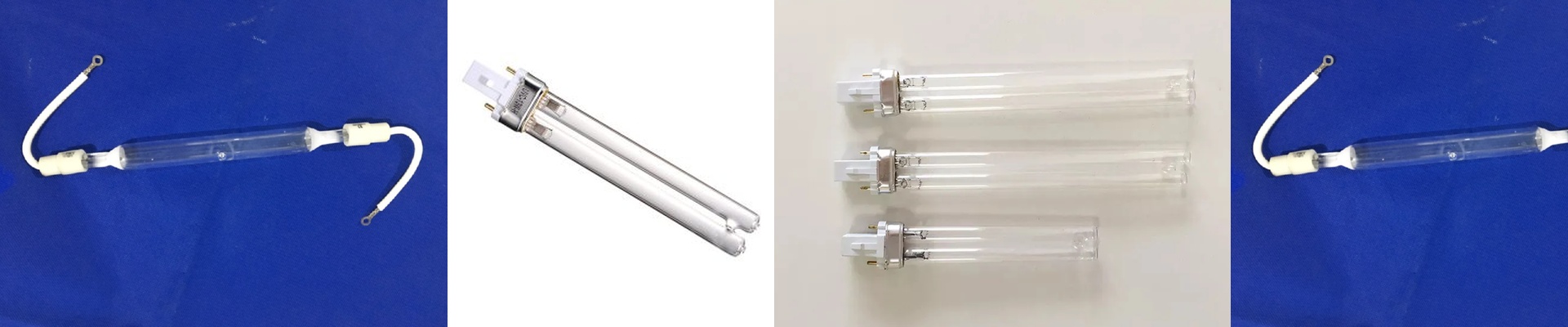
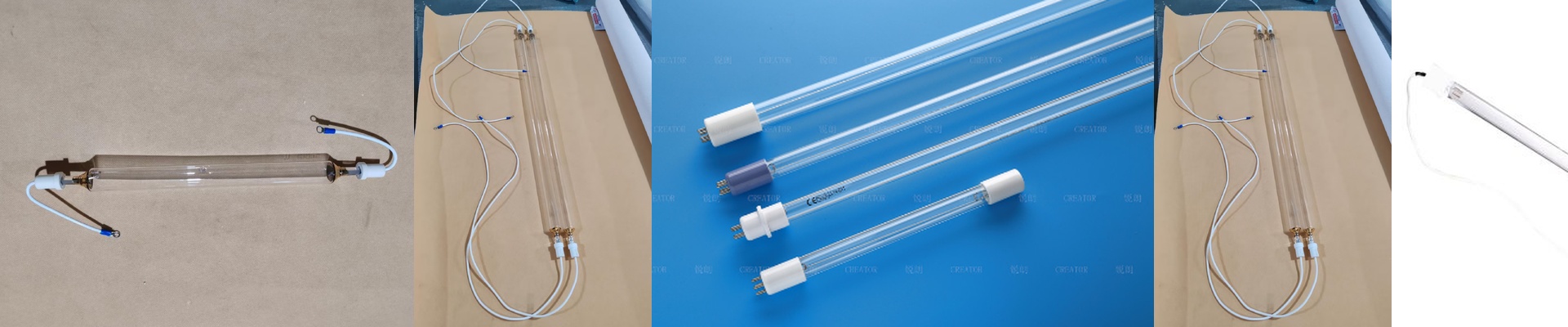
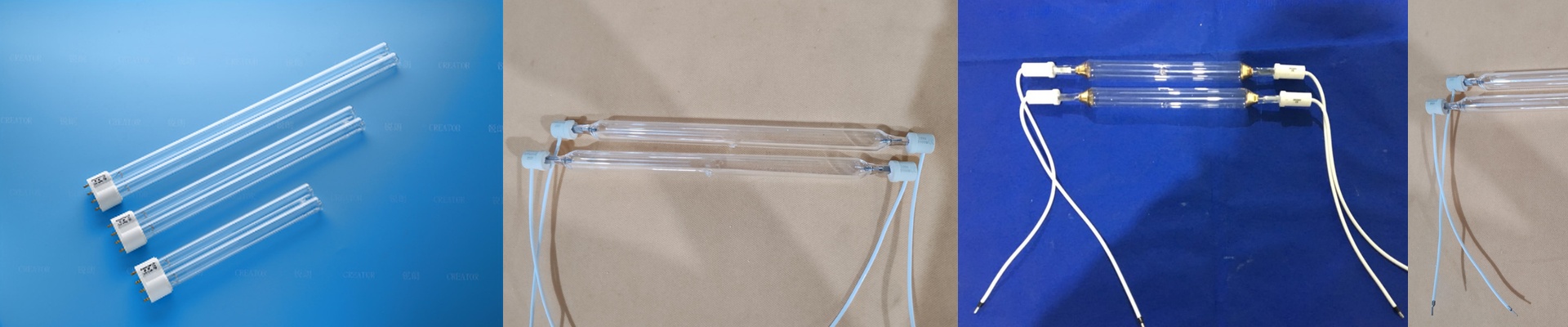
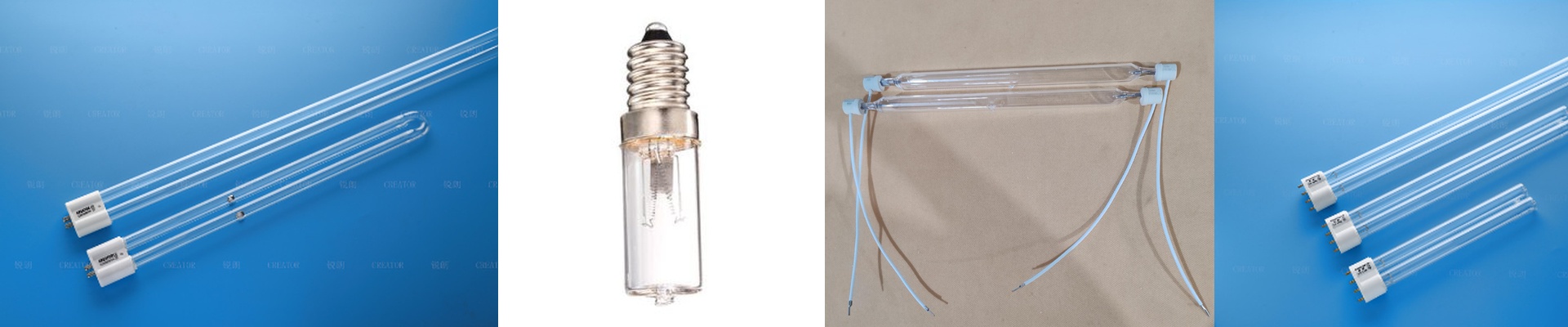
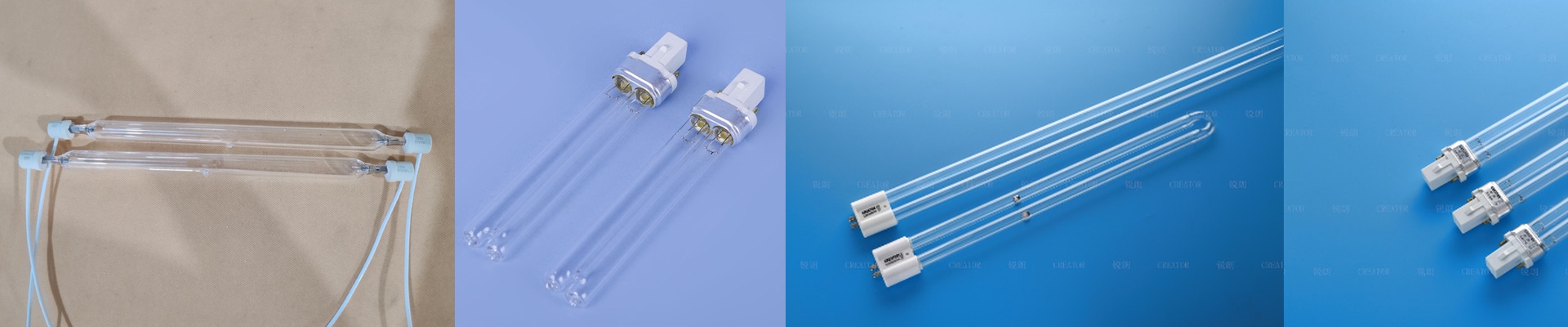
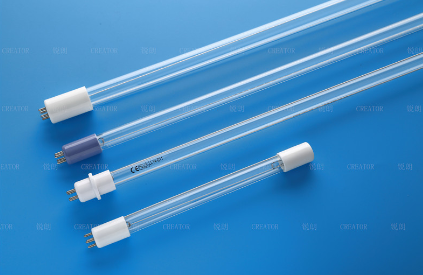
Let’s talk about what makes that quartz mercury UV lamp really tick. It’s more than just a light—it’s a finely tuned machine, built around a delicate dance of heat and electricity. At the heart of it all is the gas mixture inside. That mix is what gives the lamp its personality, setting the electrical flow and the kind of light it puts out. Plug in a 400V, 2500W unit, and you’re packing a serious punch into a tube that’s barely longer than your forearm. That power is what it takes to vaporize the mercury and get that intense UV glow going. It’s not overkill—it’s just what the lamp needs to do its job.
Why Quartz? Why the Details?
The reason we use quartz is simple: it’s tough. Standard glass would shatter under the heat and pressure. Quartz just shrugs it off. And the halogen cycle inside is the secret to a long life. It’s constantly cleaning up, putting the evaporated tungsten right back where it belongs on the filament. No darkening. No fading. Just steady, reliable light, month after month. Then there are the connectors—the R7s or Sk15 kind. They’re not just there to make a connection. They’re built to handle the heavy current and stay put, even when things get a little shaky. They’re the anchors for all that raw energy.
The Real Field Test: Just Look at the Light
Here’s the thing you learn out in the real world: you can tell the whole story just by watching the lamp fire up. A healthy lamp, with the right mercury-argon mix, comes alive with a clean, bluish-white arc. That’s the good stuff. But if the glow turns pink or purple? That’s a red flag. The argon pressure is off, and you’re looking at poor ignition and weaker UV output. And if you see a yellowish tint? That’s air contamination, a fatal flaw that will fry the electrodes in no time. We design these lamps for pure, stable output because on the shop floor, the color of the light is the ultimate diagnostic. It’s how you instantly spot a rock-solid unit from one that’s just not up to snuff.