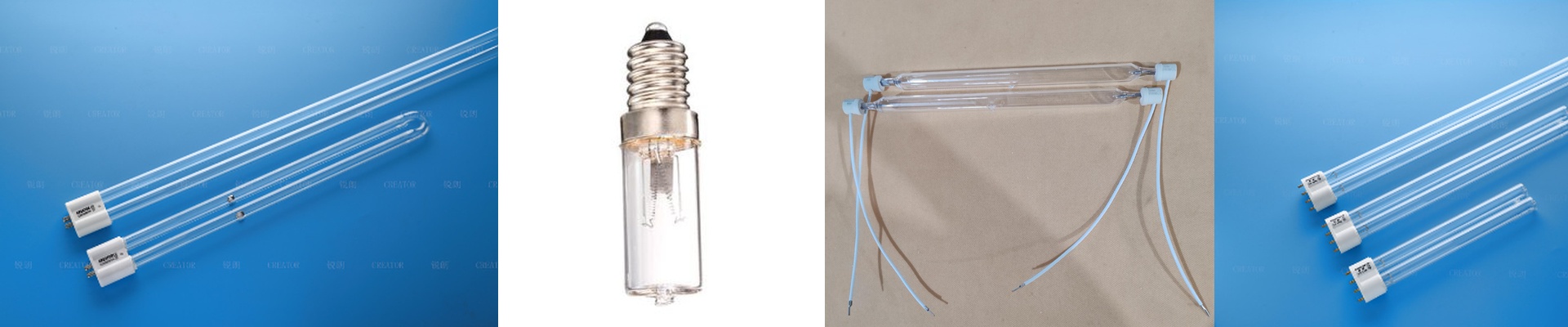
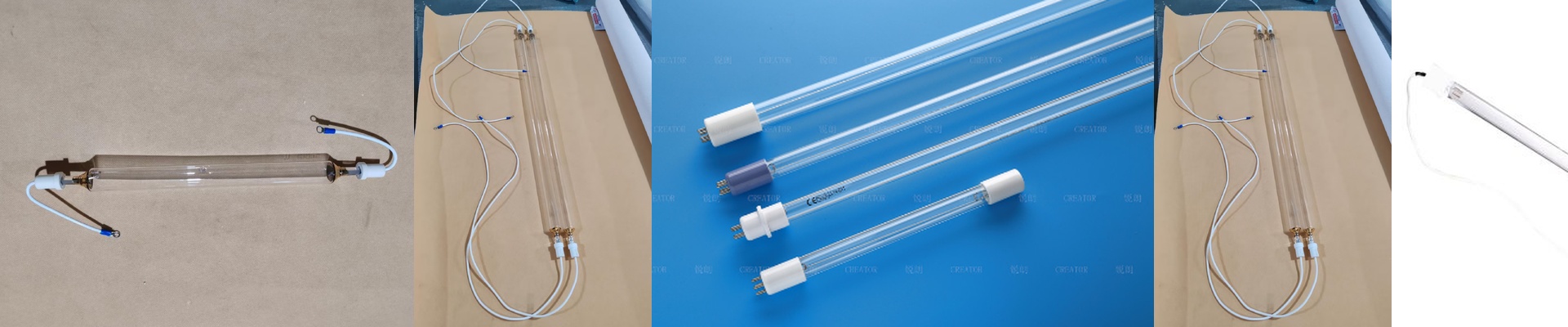
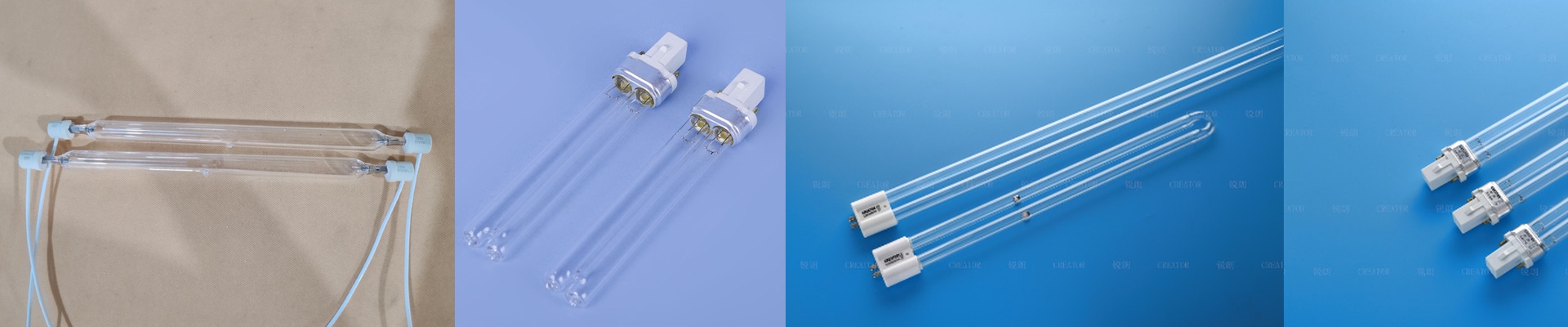
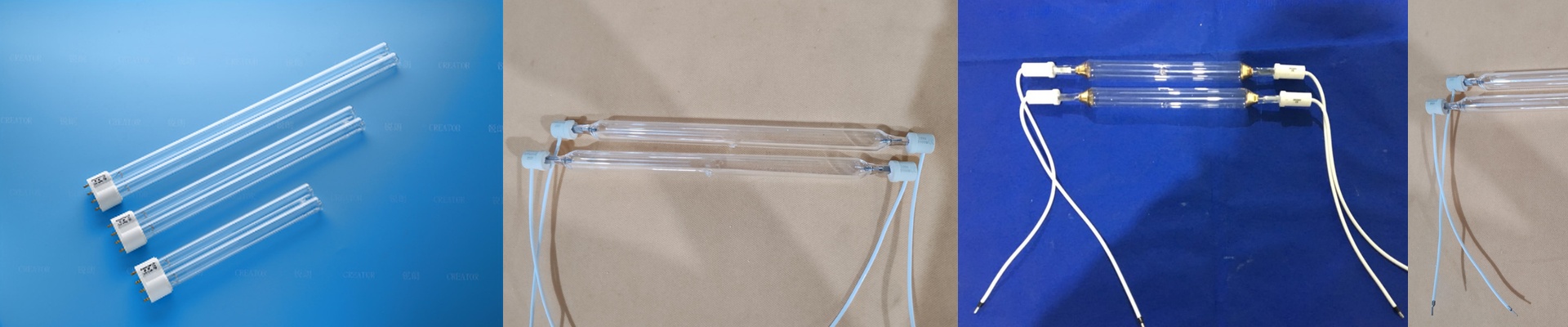
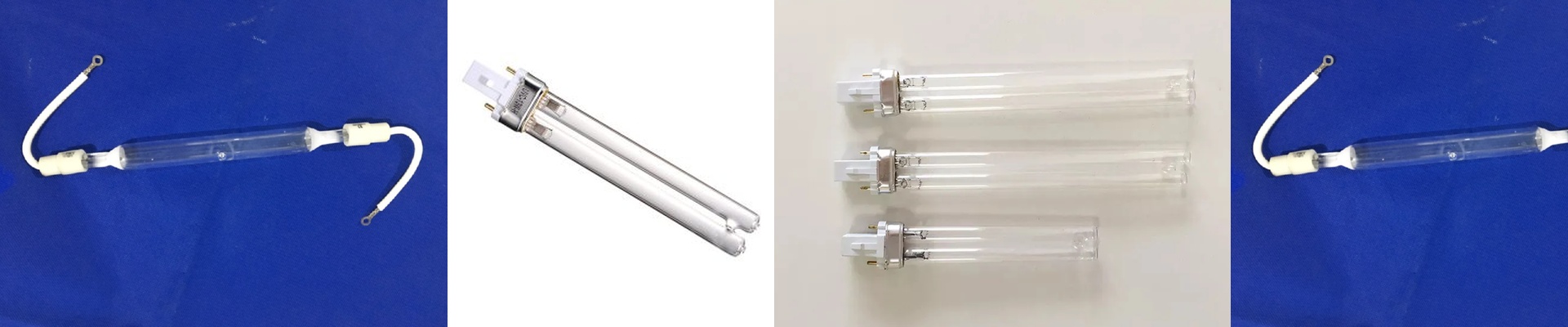
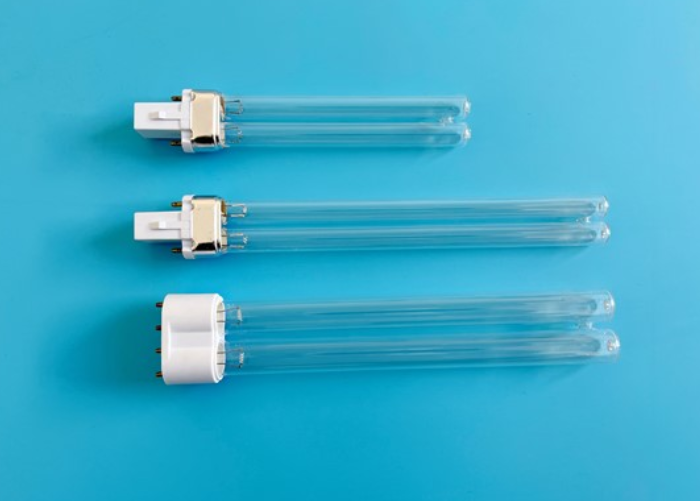
On the press floor, counterfeiters keep getting faster. With standard UV sources, it’s getting harder to tell genuine from fake. When you’re running special anti-counterfeiting inks, the spectral purity of your UV exposure is what decides whether the security mark is clean, stable, and actually verifiable on the machine. We built our UV gallium lamp for PCB exposure to nail a tightly controlled spectral output at 365nm, so the photoinitiators in those security inks cure right at the cross-linking threshold—no bloom, no haze, and no false passes. What matters, technically We dope the lamp with gallium to knock down unwanted broadband peaks and hold the 365nm line steady. The result is a narrow spectral envelope and repeatable peak irradiance. In practice, that translates to consistent curing energy density across the board, with less lamp-to-lamp variation and less drift over lamp life. You can count on stable output through thousands of hours, and the output decay curve is predictable enough that you can plan exposure dose compensation instead of guessing. The quartz envelope and reflector geometry are matched to deliver uniform intensity across the exposure field, so edge-to-center non-uniformity doesn’t wreck fine security features. Why this works where it counts Anti-counterfeiting comes down to specific spectral responses—inks that only fully cure, or only show their tell, under a precise UV signature. Our lamp’s high spectral purity makes sure the ink cures at the intended wavelength, keeping contrast and resolution intact, and preserving the hidden verification behavior. On the PCB exposure side, that same spectral control gives you cleaner phototool reproduction, sharper traces, and fewer reworked panels. Cycle times improve because the lamp hits stable output quickly, and you swap lamps less often because the rated life is backed by real-world operating data. A few shop-floor details to keep straight Match the lamp to your fixture’s arc length, reflector dichroic coating, and ballast type. A mismatch can shift spectral output and cut life short. If your airflow is confined, confirm ozone-free operation. And plan for reflector inspections—efficiency drops when the coating starts to degrade. Expect a little warm-up drift in the first few minutes. For exposures that matter, let the lamp stabilize before you lock in the exposure time.