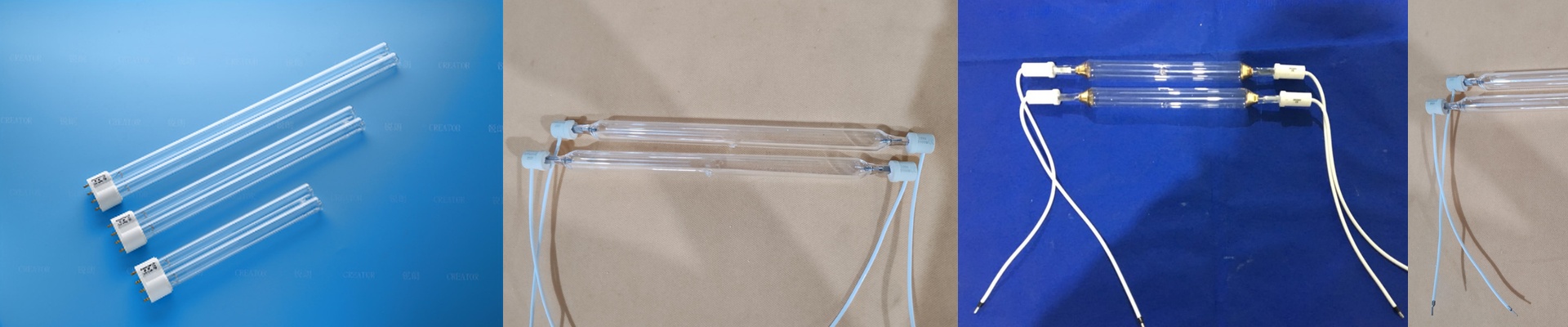
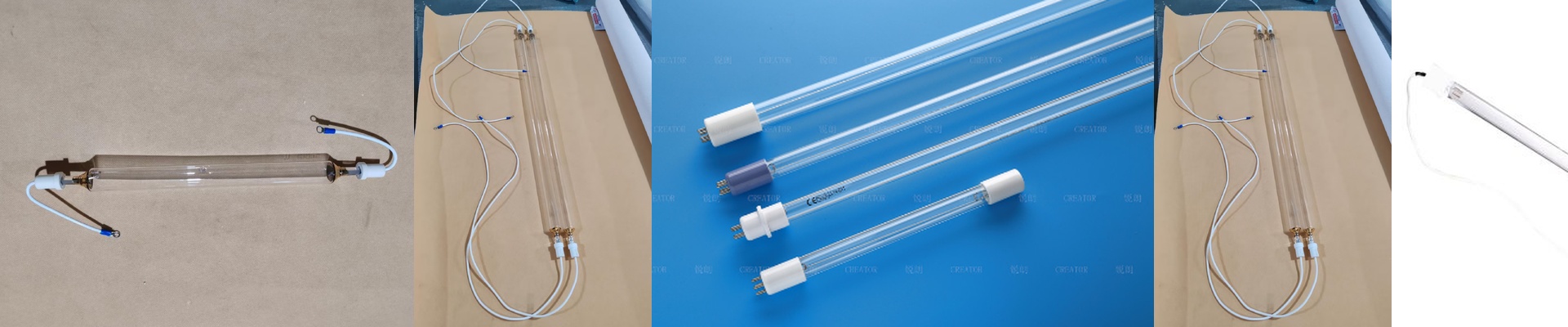
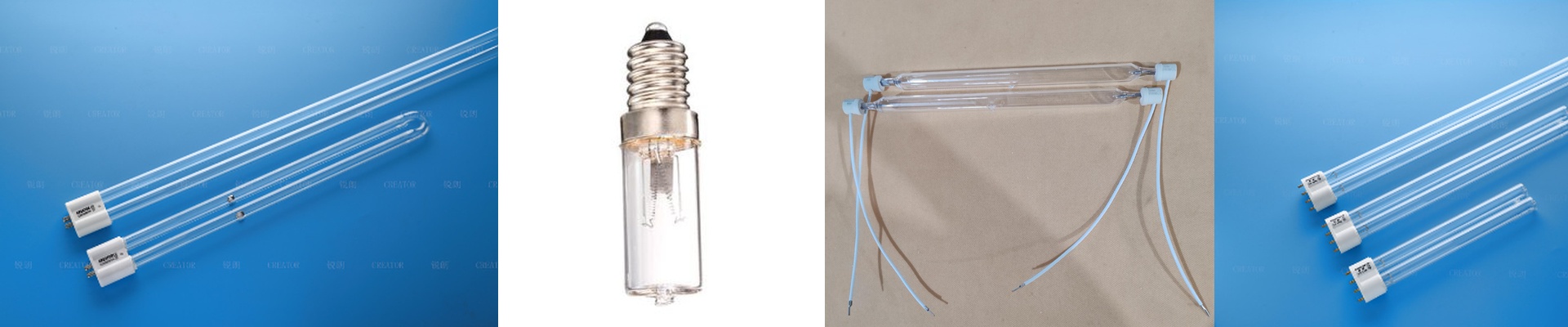
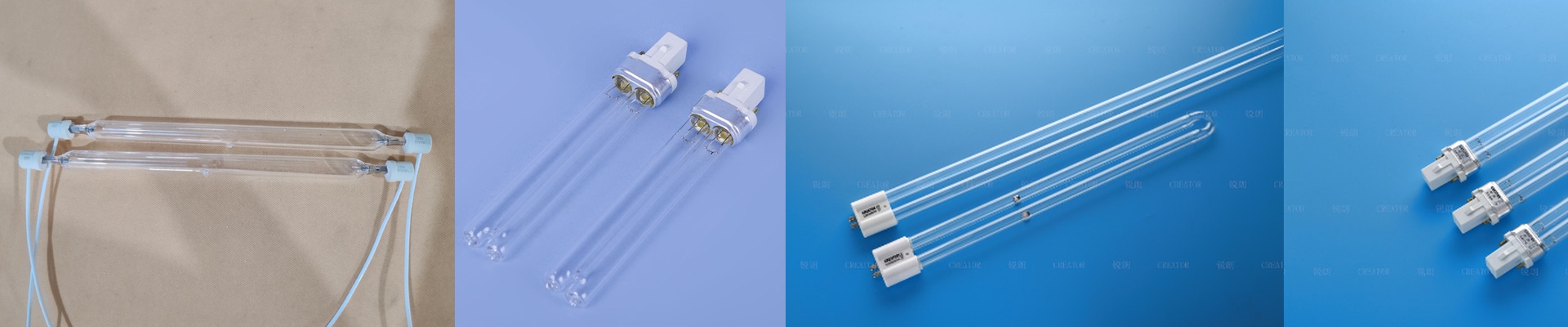
On a food line, microbes don’t wait for warm-up. Every minute a lamp spends stabilizing is a minute where conveyors, packaging surfaces, and contact points can carry contaminants. Instant-start UVC lamps were built to cut out that idle time—full germicidal output the instant you need it. In a food plant, throughput is steady and sanitation windows are tight. If the lamp won’t strike immediately, or if output drifts as it ages, you either slow the line or accept inconsistent microbial control. So the real technical question isn’t “how bright.” It’s how fast, how stable, and how consistent across the entire service life.
What matters under the hood
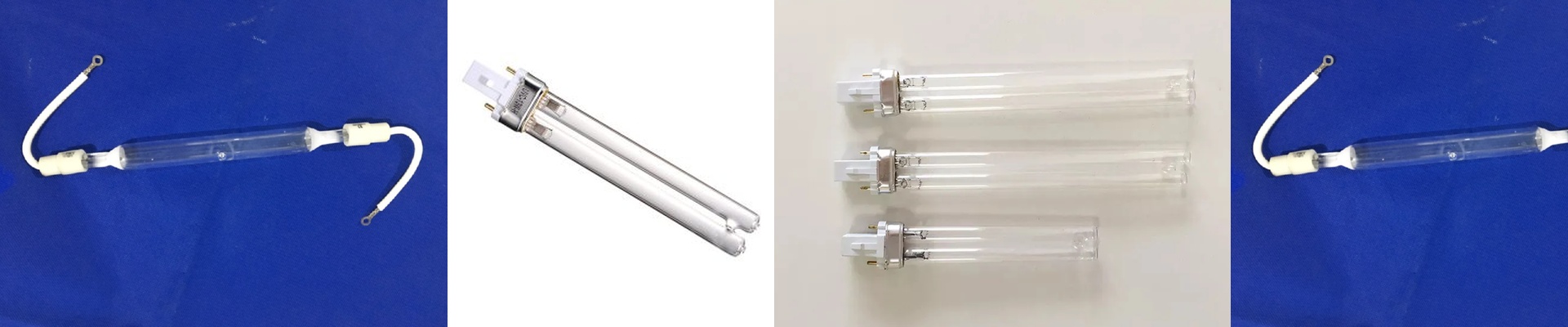
An instant-start UVC system isn’t just “UV light.” It’s controlled 254 nm output delivered with repeatable irradiance, so your lethal dose calculations stay valid shift after shift. We spec an ozone-free low-pressure mercury vapor lamp with a quartz envelope built for high UVC transmissivity. Instant-start operation kills the preheat phase that conventional lamps need. The payoff is immediate photon output—no ramp-up, no waiting for mercury vapor to hit stable pressure. Key performance is measured, not talked up:
- Peak irradiance at the target plane, in mW/cm², using a calibrated spectral radiometer.
- Delivered UV dose, in mJ/cm², calculated from irradiance and exposure time.
- Lamp-to-lamp consistency—tolerance on initial output and end-of-life output across the whole bank. For broad-spectrum sterilization, 254 nm gives the highest absorption in microbial DNA and RNA. That wavelength drives pyrimidine dimer formation and shuts down replication. It’s broad-spectrum because the mechanism isn’t picky—hit the required dose and it works against bacteria, bacteriophages, and many viruses. Reflector optics matter. A high-reflectance aluminum reflector with a stable dichroic coating improves field uniformity and cuts wasted energy. The point is predictable dose across the treated surface, not a hot spot in the middle and weak edges. Lamp life isn’t a vague promise. We design for stable output over time and define end-of-life as the point where output drops below the minimum dose your application needs. In practice, you get consistent germicidal output for thousands of hours, with maintenance triggered by measured output decay—not guesswork.
Why this fits a food plant
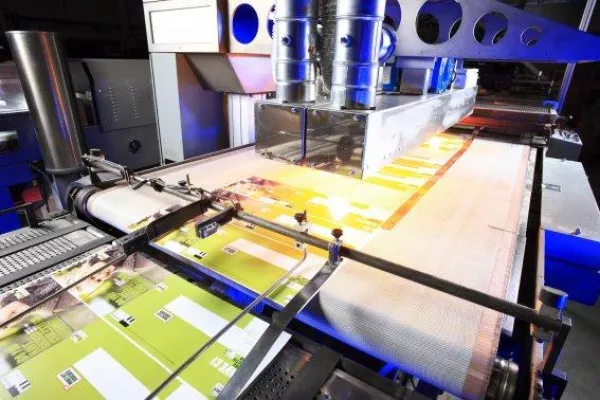
Food processing needs sterilization that keeps pace with continuous workflows. Instant-start operation removes the throughput penalty of warm-up delays and makes on-demand sanitation practical—at line changeovers, during short breaks, or right after wet cleaning. A 99.9% reduction target is achievable when the system delivers the required UV dose to the microbial load. Dose equals irradiance times exposure time. In real terms, the lamp has to deliver enough intensity at the target distance, and conveyor speed has to be matched so the surface gets the needed mJ/cm². We build the system around the dose equation:
- If line speed goes up, exposure time drops. The lamp must deliver higher irradiance to hold dose steady.
- If the target includes shadowed belt seams, direct line-of-sight falls off. Reflector geometry and positioning need to be chosen to reduce shadows. On the floor, that delivers three operational gains:
- Higher uptime: no warm-up means sanitation runs on the plant schedule, not the lamp’s.
- Consistent microbial control: stable spectral output and uniform field keep dose repeatable across shifts.
- Lower operating cost: instant-start lamps cut idle energy and let run time match sanitation needs more precisely. The system integrates with standard industrial sanitation setups—fixed mounting, controlled exposure zones, and interlocks that keep operators safe. We design around real plant constraints: washdown exposure, vibration, and the need for repeatable alignment.
The practical constraints you need to plan for
Even the best UVC system is only as reliable as its integration. Here are the things that will bite you if you don’t plan for them. UVC energy gets attenuated by a lot of common materials. Polycarbonate and some glass transmit very little 254 nm. If you put a shield or enclosure in the path, verify transmission at 254 nm—or expect a sharp drop in delivered dose. Shadowing is real. UVC is line-of-sight. Crevices, belt seams, overlapping surfaces, and packaging overhangs can shield microbes. For solid process control, pair the lamp with conveyor design and reflector placement that minimize shadows. Some lines need multi-side exposure. Lamp output is sensitive to operating temperature and environment. Lamps perform best within a specified temperature range; cold starts and drafts can affect strike stability and output. In wet areas, keep the lamp and electrical connections isolated from direct spray and condensation, or use an IP-rated housing built for washdown. Safety and verification aren’t optional. UVC can damage eyes and skin, so engineering controls—interlocks, shielding, and access control—must be in place. For verification, use a calibrated UVC radiometer and document dose at the target surface. Treat the lamp like a measurable process input, not a black box. If you need 99.9% broad-spectrum sterilization in food processing, instant-start UVC gives you a practical way to turn idle time into measurable microbial reduction—starting the instant the process calls for it.