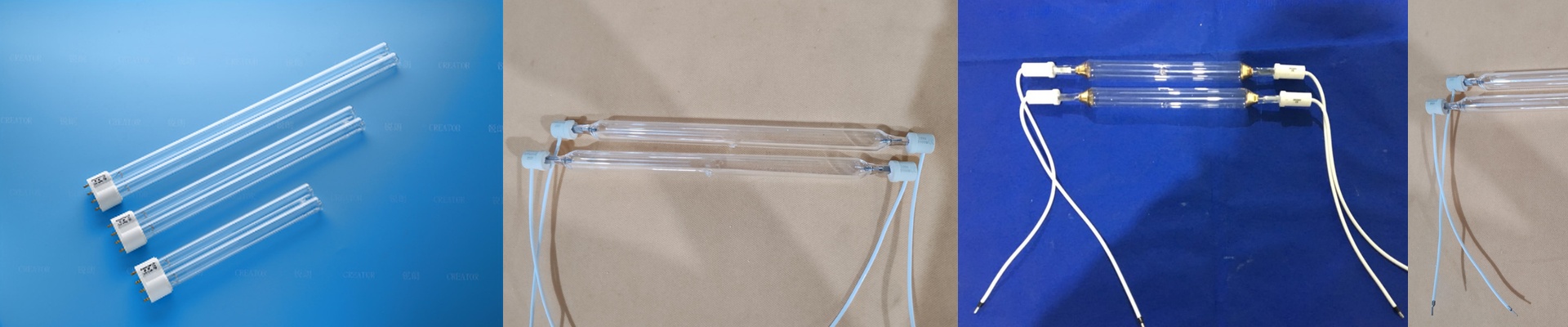
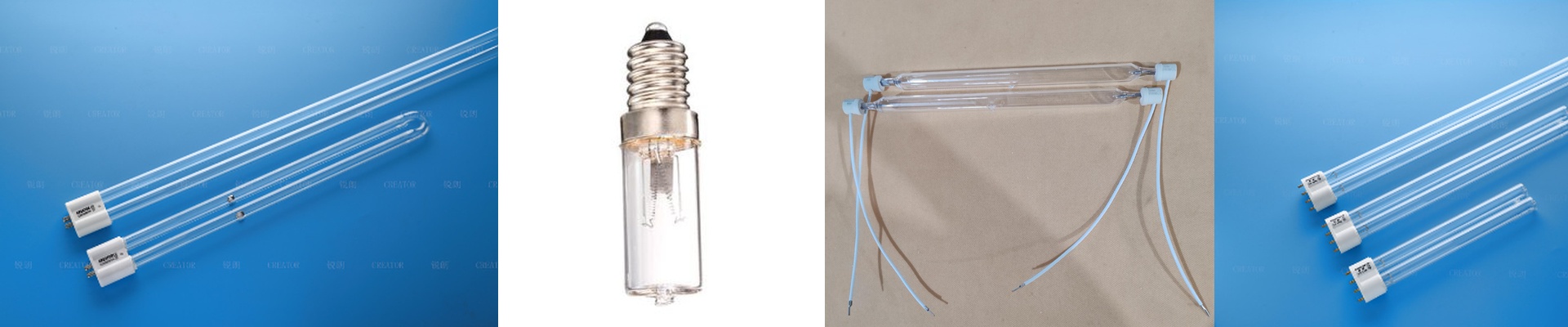
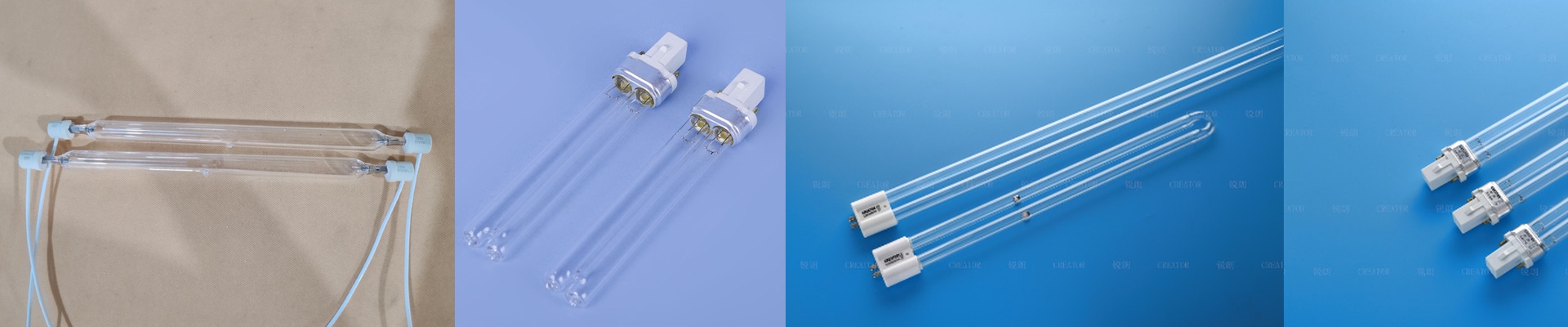
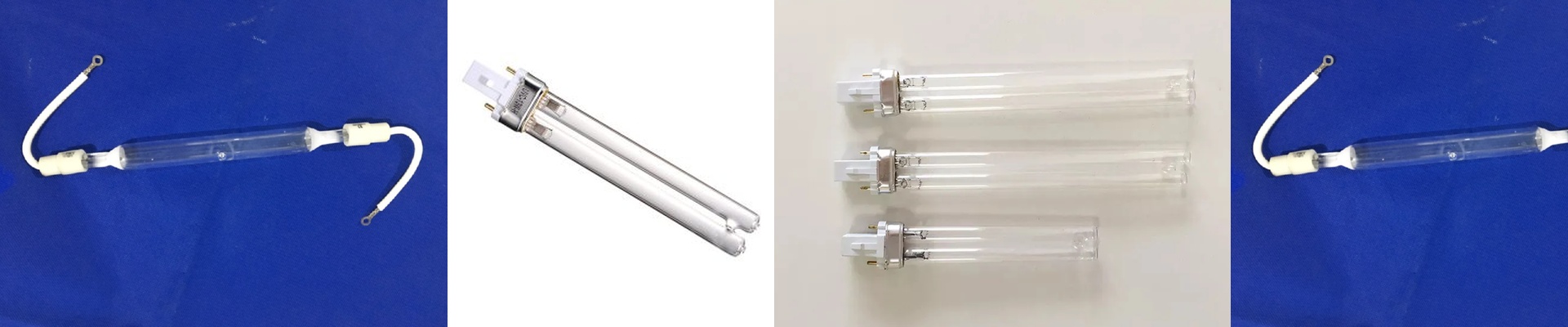
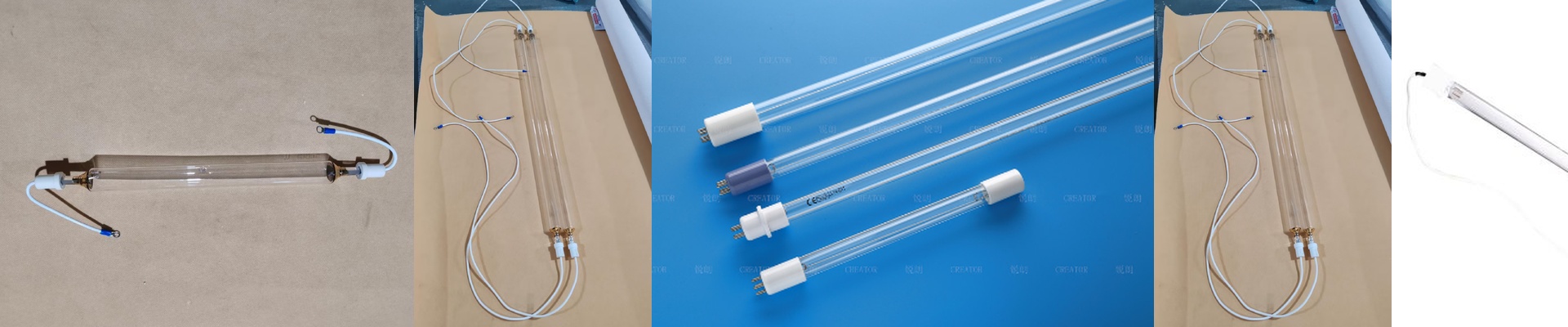
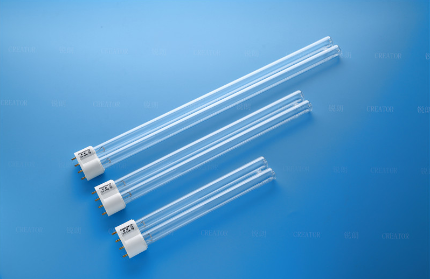
If your apparel prints crack after washing, you’re likely staring at one of the oldest issues in UV work: not enough energy at the substrate. When the ink layer stays undercured, cross-linking never completes, and the film becomes brittle. The ink often gets blamed, but the real culprit is usually lamp output that can’t reach the bottom of the deposit. What matters, technically We run a Safe UVC germicidal lamp tuned to the far-UVC band, chosen because it hits the absorption peak of common photoinitiators with high photon flux. On the target plane, peak irradiance hits up to 12 W/cm², measured with a calibrated spectral radiometer. The spectral output is centered at 254 nm with tight bandwidth control, so you get strong absorption in thin ink films and less wasted energy heating the web. The reflector uses a high-reflectivity dichroic coating to keep dose distribution uniform across the print width. Output stays stable over life, too. We’ve got units that have run 5,000+ hours with less than 5% irradiance drop, which is exactly what you need for consistent curing energy density. Why this works on apparel jobs Apparel screen and flexo work is tough: you need deep cure through pigmented layers to build wash fastness. Undercured films stay tacky, and the leftover monomers weaken the bond. Far-UVC pushes more energy density into the bottom of the ink layer, driving complete cross-linking. The payoff is straightforward: better colorfastness, stronger adhesion, and fewer rejects after wash testing. You can also push line speeds higher without cranking up lamp power, because the spectral match makes photoinitiator efficiency better. Here are the practical details you can’t skip Far-UVC demands line-of-sight exposure. Shadowing from thick deposits or uneven print geometry will leave cure deficits, no matter what the spec sheet says. Set reflector height and dwell time so the minimum energy dose at the coldest point still clears the ink spec. And yes, the lamp is ozone-free, but if you have VOCs in the curing zone, you can create byproducts. Ventilation needs to match lamp power and duty cycle, or you’ll be chasing smells and fallout.