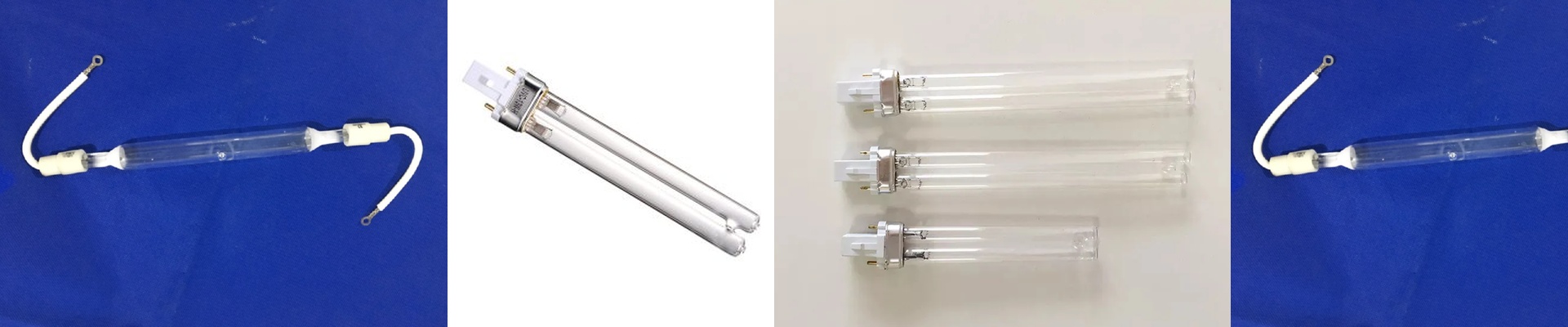
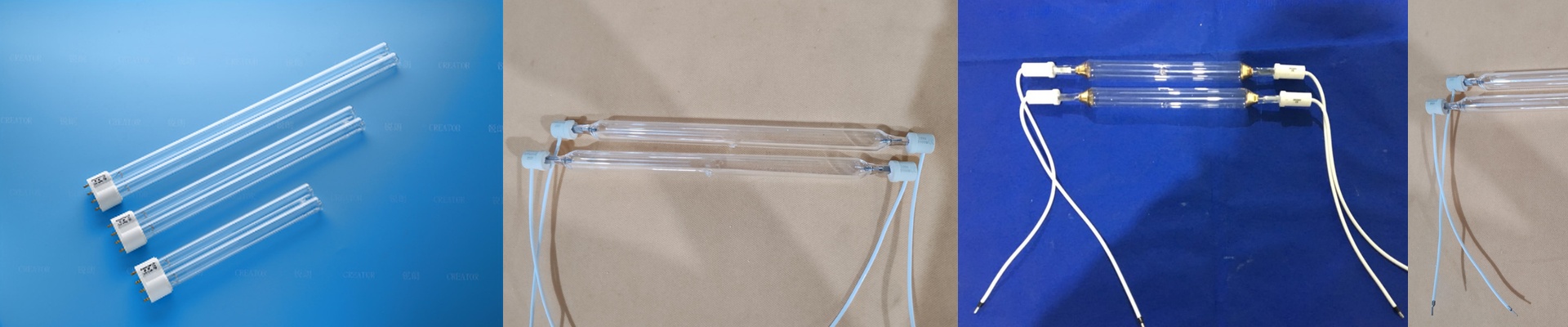
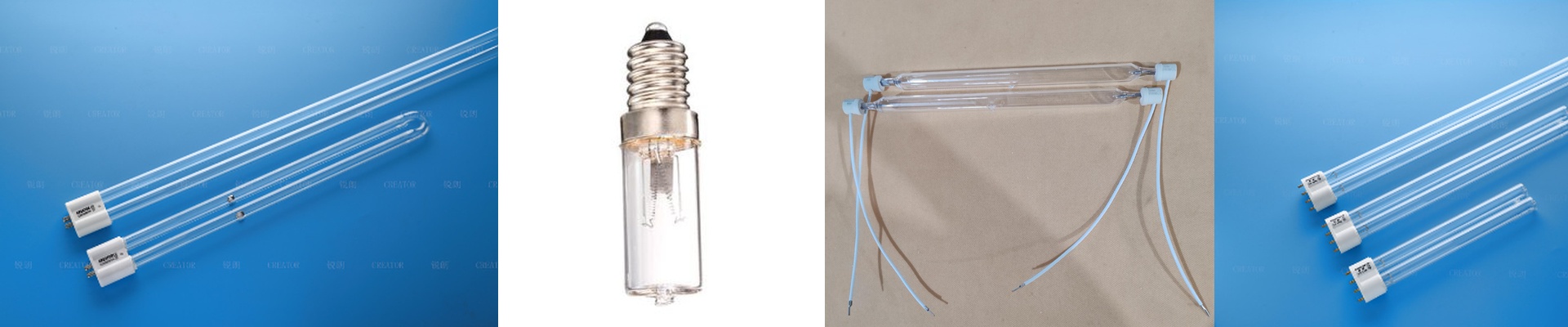
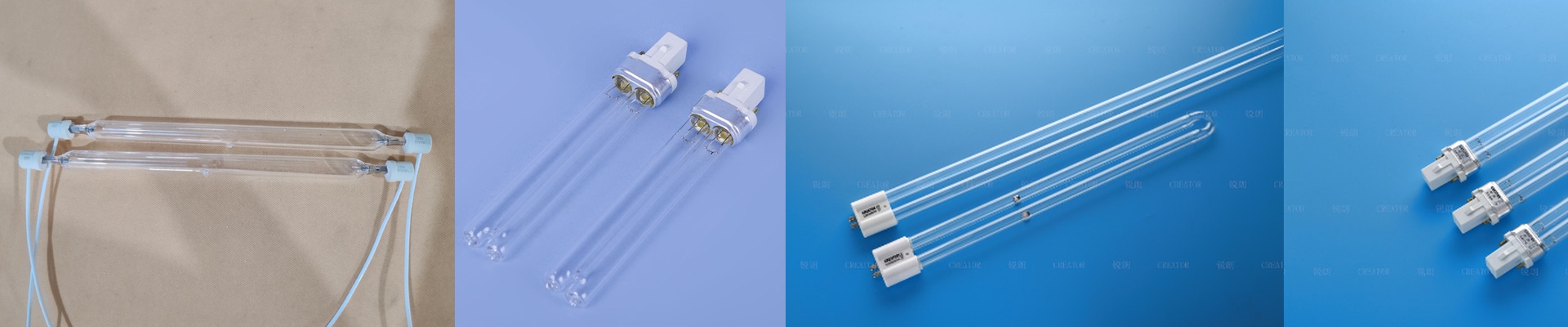
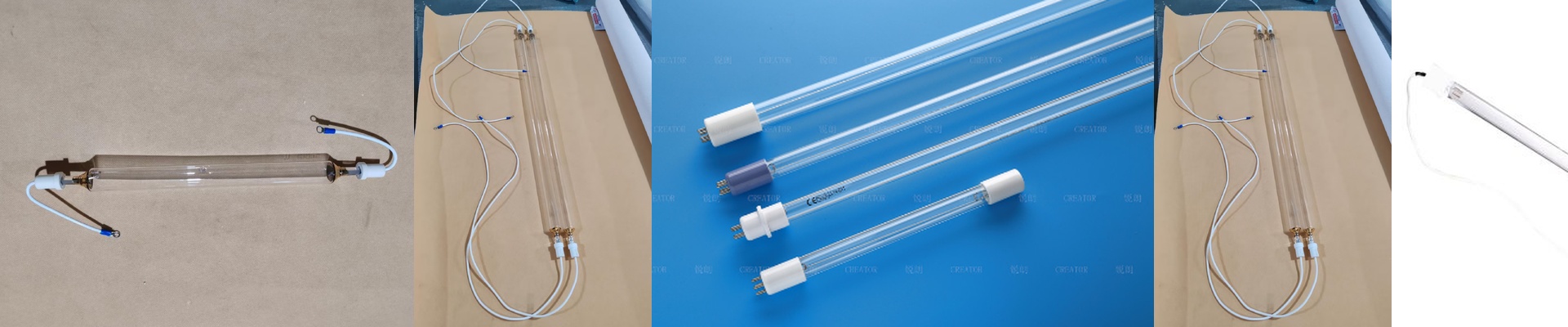
On a line that’s running high-speed disinfection cycles, the UV germicidal lamp can’t become the thermal bottleneck. If the cathode holds heat, the lamp cools down slow—and the next flash comes up short. That drift means inconsistent microbial reduction, and it forces you to back off the line speed just to keep things in spec.
What matters under the hood
We design the cathode for low thermal inertia, so the arc settles quickly after every pulse. That gives you repeatable spectral output and stable peak irradiance—one flash to the next, shift after shift. The lamp holds tight spectral consistency in the germicidal band, and we choose envelope materials and an electrode structure that resist sputtering and fatigue. The payoff is long life with low attenuation, and the output curve stays flat longer—measured as stable intensity over tens of thousands to hundreds of thousands of ignitions.
Why this matters on a fast cycle
With rapid-flash disinfection, the lamp has to fire on demand, not when it finally cools off. The low-thermal-inertia cathode shortens cooldown, so you can run faster cycles without losing dose repeatability. That means fewer rejected lots, less downtime waiting for lamp warm-up, and performance you can count on when the line runs continuous. Energy use comes down because you aren’t overdriving the lamp to make up for thermal lag, and fewer lamp changes cut down on maintenance labor and spare inventory.
The details that bite you if you ignore them
These lamps are sensitive to the ignitor and reflector alignment—those two set the pulse energy and the beam profile. Match the lamp to the driver’s current limit and pulse width, and verify reflector reflectance at the target wavelength so you don’t drift dose without noticing. **Don’t wait for sudden failure.**The end-of-life signal is clear: output drops and ignition gets shaky. Schedule replacements based on measured intensity and accumulated flash count, not guesswork.