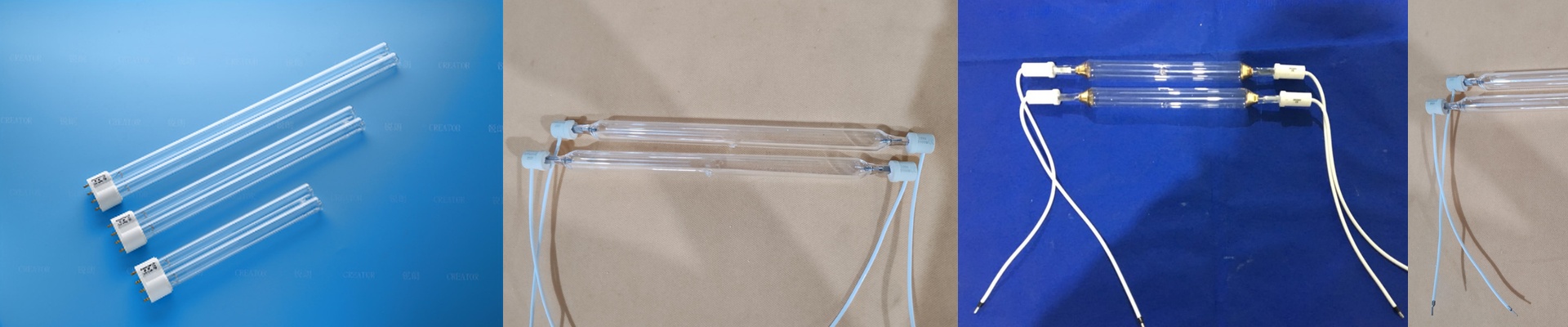
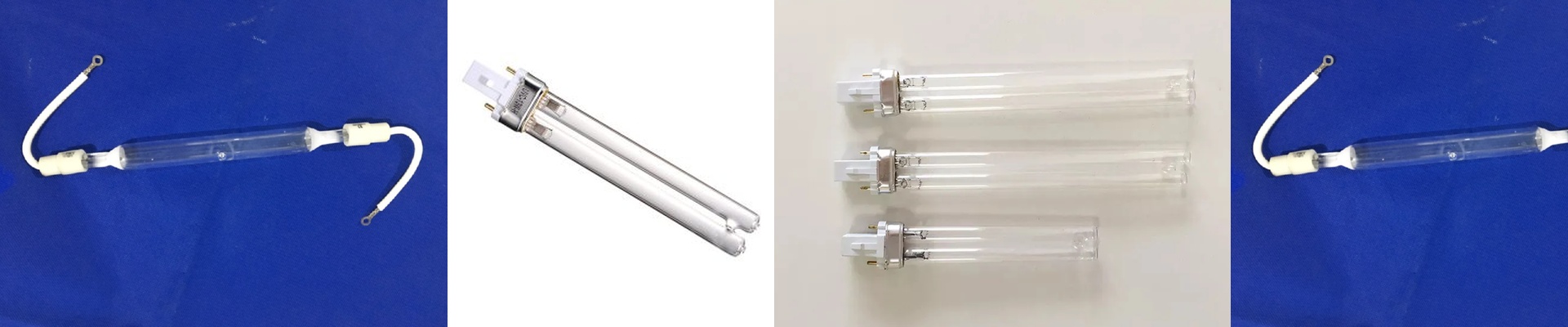
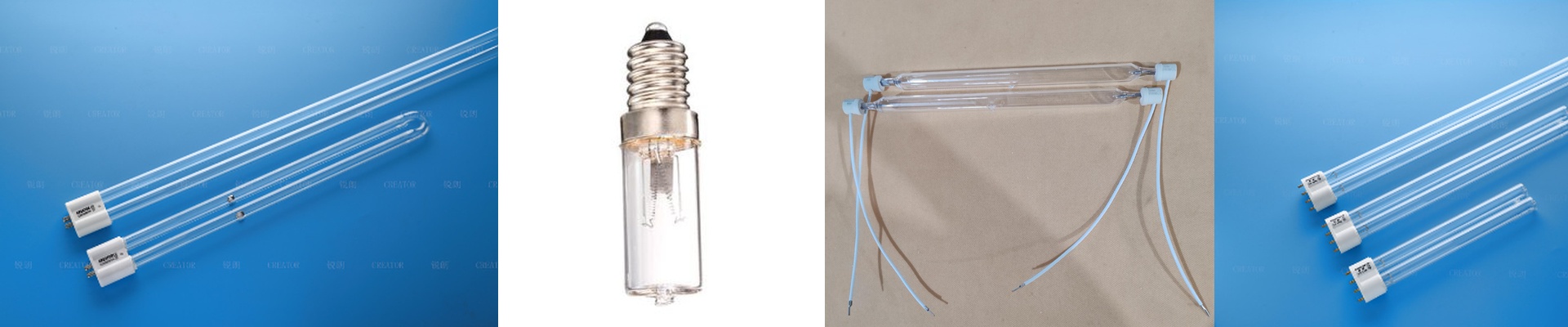
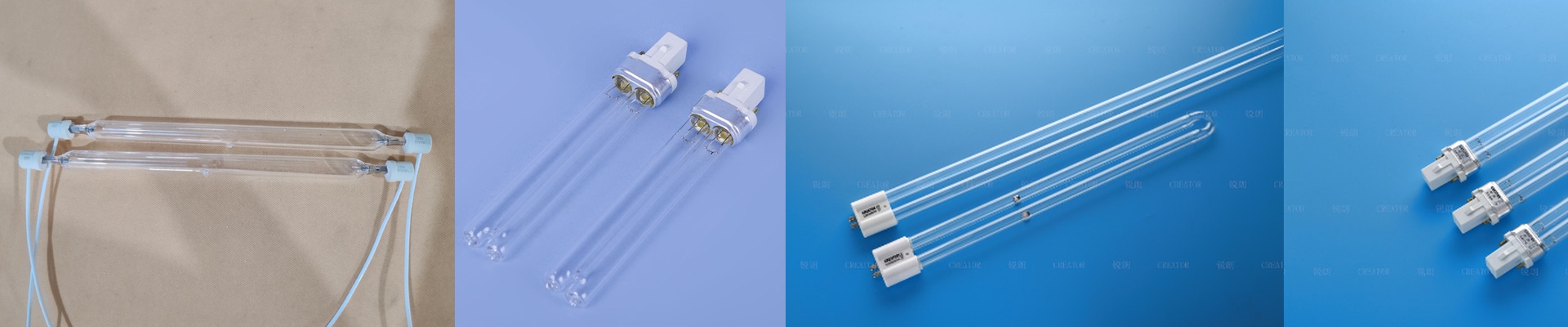
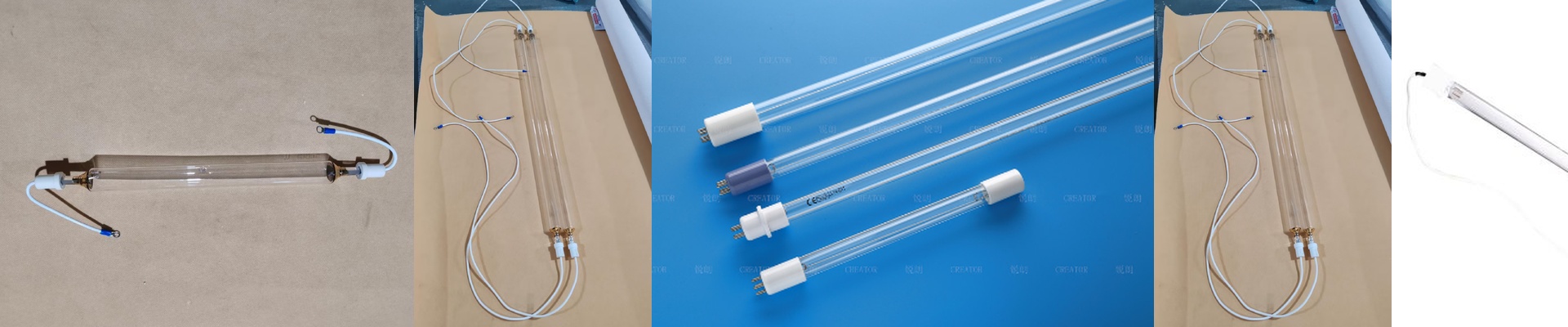
On the press floor, downtime isn’t just downtime—it’s wasted substrate and blown delivery windows. When a Primarc UV curing unit gets old, the spectral output drifts and peak irradiance drops. You start seeing uncured ink, adhesion issues, and rejects that snowball fast. Swap in a drop-in replacement lamp and you get the energy density the system was designed for, without tearing the line apart. Here’s what actually matters: the lamp output has to match the photoinitiator chemistry. Our Primarc replacements run on high-pressure mercury vapor arc tubes, keeping the spectrum stable across the key UVA bands—365 nm and 385 nm—where most offset, flexo, and screen UV inks cross-link. Output is engineered to hit target irradiance at the cure window, typically 1,000–1,500 mW/cm², depending on lamp power and reflector geometry. We pick a quartz envelope for high UV transmission and thermal stability, and the reflector uses dichroic coatings to shape the spectral energy and keep IR heat off the substrate. Spec your voltage and connector to match the fixture—220–240 V or 110–130 V, with standard Primarc terminations—and double-check arc length and diameter so the focal distance stays right. Why this matters on the floor: consistent cure lets you push speed without overcuring or scorching. You get tighter control of cure dose, which cuts dot gain and improves adhesion on heat-sensitive films, while power draw stays predictable. With stable output across the service life, you cut planned stops for lamp changes and keep quality level across shifts. A couple of things to get right. Verify the exact Primarc model and reflector type before installation—mismatched arc length will throw off the irradiance profile and cure uniformity. Make sure the shutter/filter position and cooling airflow are set; UV output is sensitive to operating temperature. Expect performance to stay within spec for roughly 1,000 hours, then output declines—replace based on measured energy density, not the calendar.