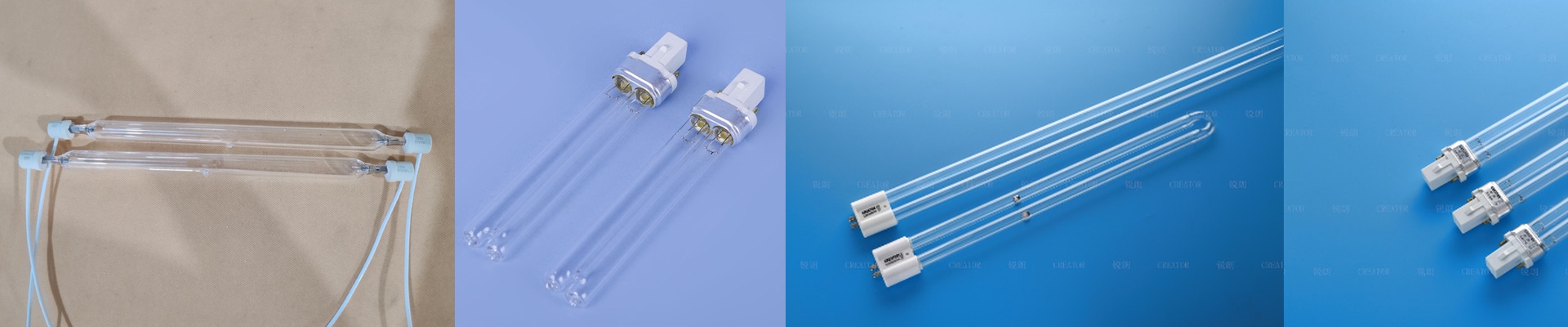
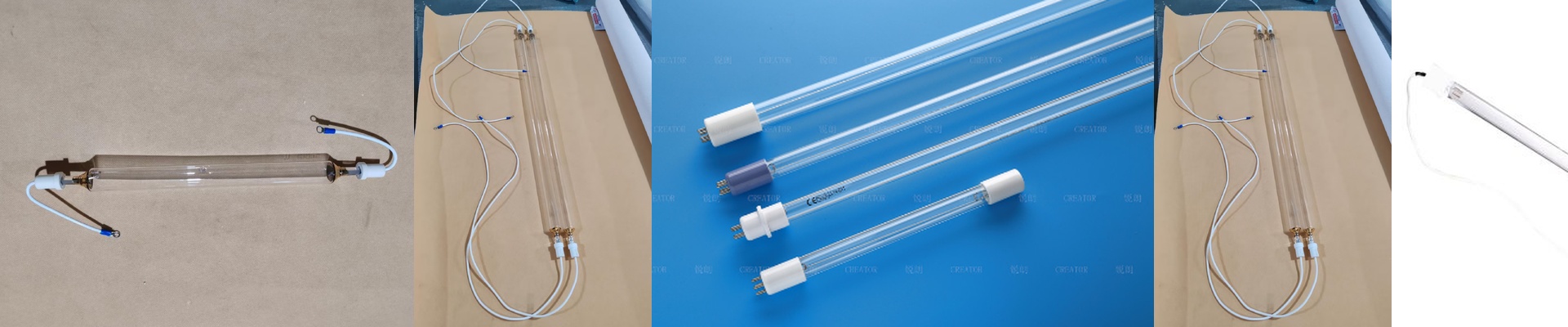
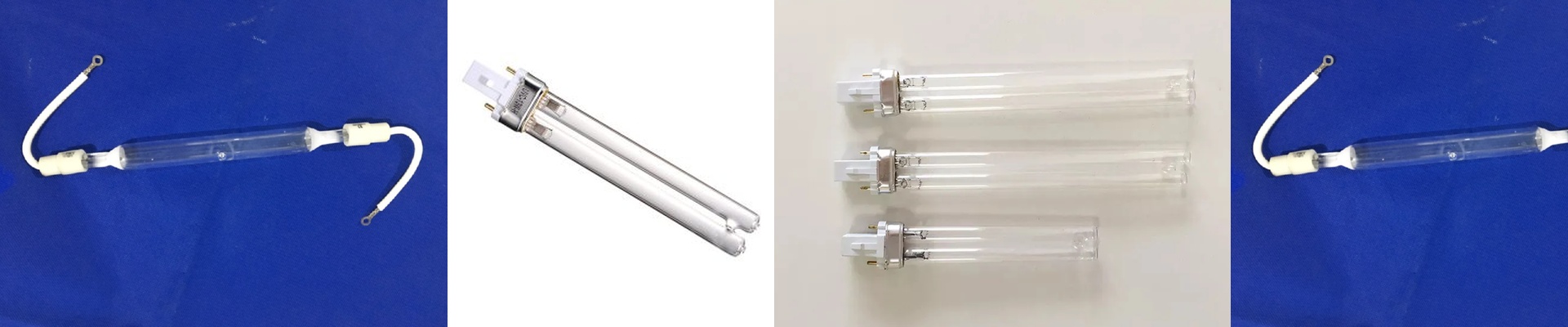
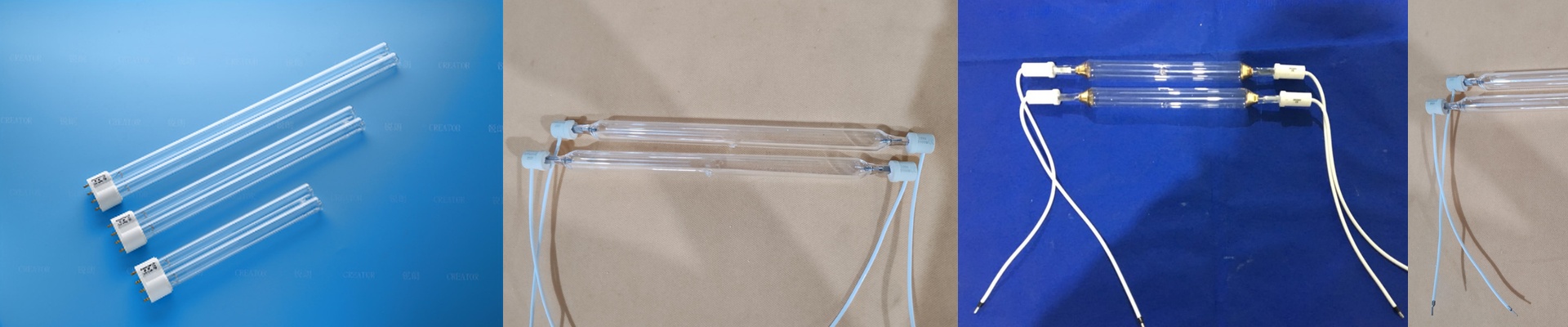
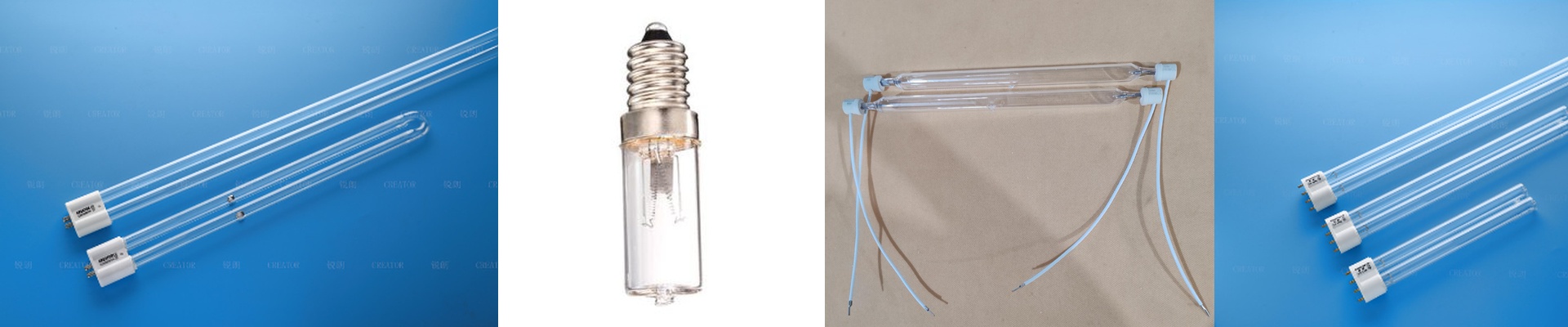
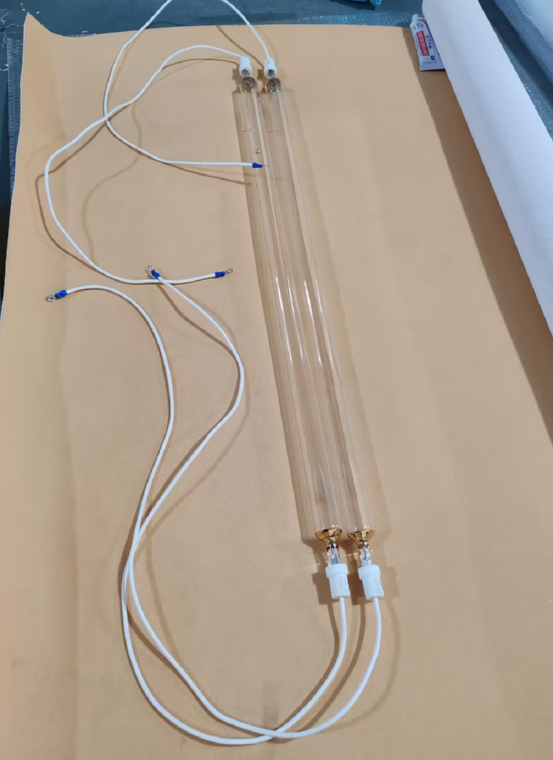
On credit card lines, you’re dealing with a thin ink film and a security overlaminate that have to cure clean—no heat soak, no residual tack that bleeds into embossing or lamination later. Undercured ink? Rejects. Over-exposed substrate? Warped cards that jam downstream. We built the UV curing lamp for these runs to keep dose repeatable, spectral output stable, and lamp life predictable—even when the press is running 24/7. What actually matters is the match between the lamp and the photoinitiator chemistry. Our high-pressure mercury vapor lamps hold steady output at 365 nm, add energy around 385–405 nm for surface cure, and deliver a controlled dose at 254 nm to drive cross-linking through thin films. Peak irradiance tops 12 W/cm², so you can cure at press speeds above 600 fpm on narrow-web offset and UV flexo. A dichroic-coated reflector shapes the spectrum and keeps substrate temperature rise under 10 °C—important when you’re running PVC and composite cores. We specify output at the arc plane, quoting curing energy density in mJ/cm² so you can line up lamp settings with radiometer readings and lock in a repeatable process window. The payoff on the floor is straightforward: consistent cure edge-to-edge, fewer speed reductions, and fewer swings in lamp power. That means higher throughput, less scrap, and fewer lamp changes. Energy use drops, too—reflector efficiency and tight spectral control cut down on wasted IR. Lamp life is rated to 2,000+ hours, with less than 5% output drop by end-of-life, and the ozone-free design keeps the lamp chamber cleaner and cuts maintenance. Here are the things that bite you if you skip them. Match the press interface—connector type, lamp length, and mounting clearances—because mismatched dimensions give you alignment headaches that bleed minutes every job change. Verify spectral compatibility with your ink and overlaminate photoinitiators; some formulations need the spectrum tuned to avoid surface lock and incomplete cure. And plan airflow and cooling like it matters. If you can’t hold substrate temperature, you can have the right UV dose and still fail on heat-sensitive cards.