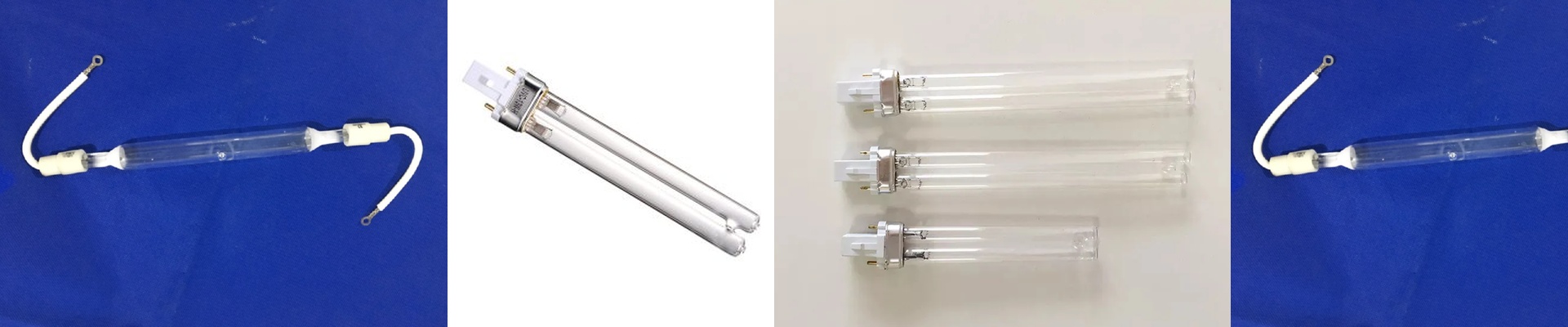
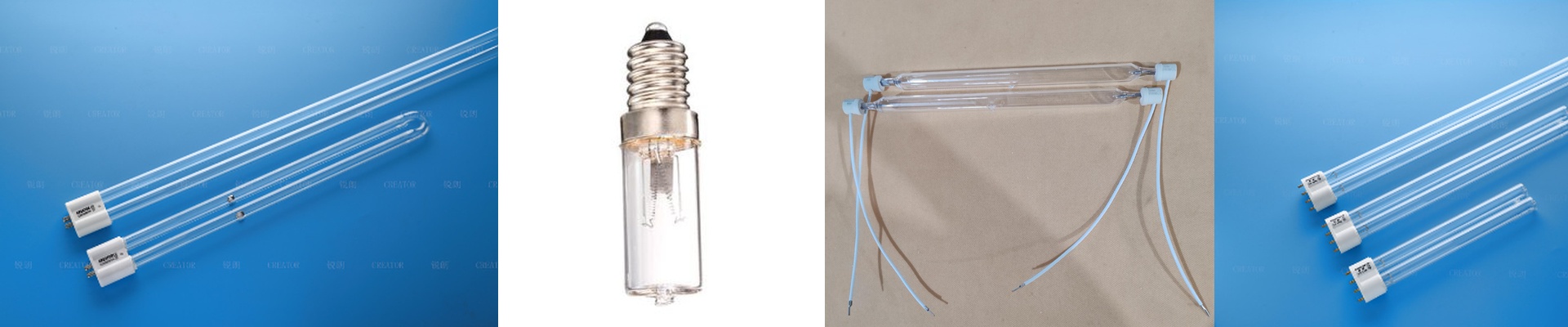
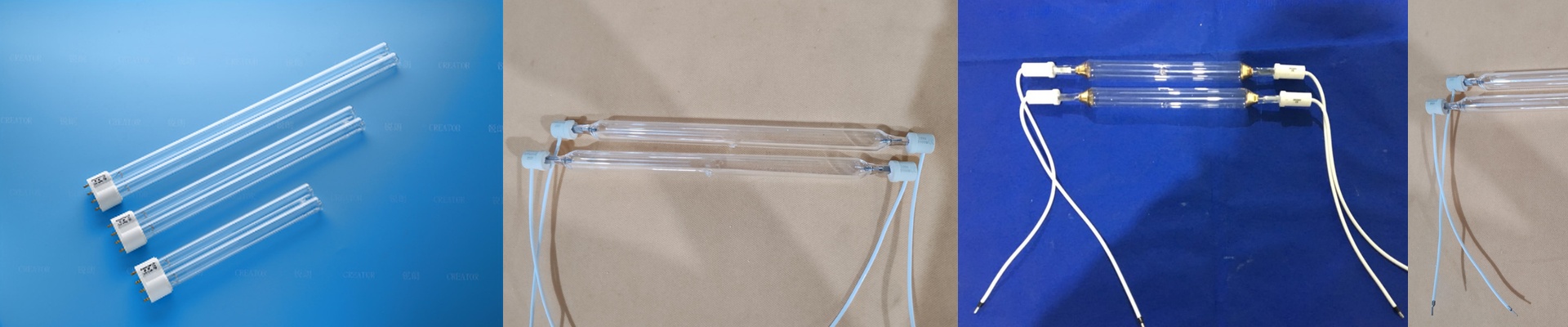
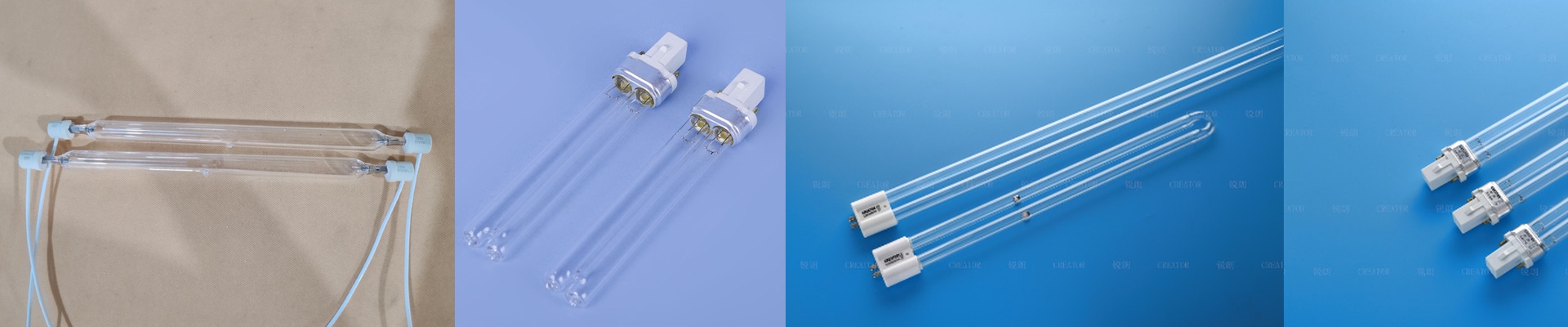
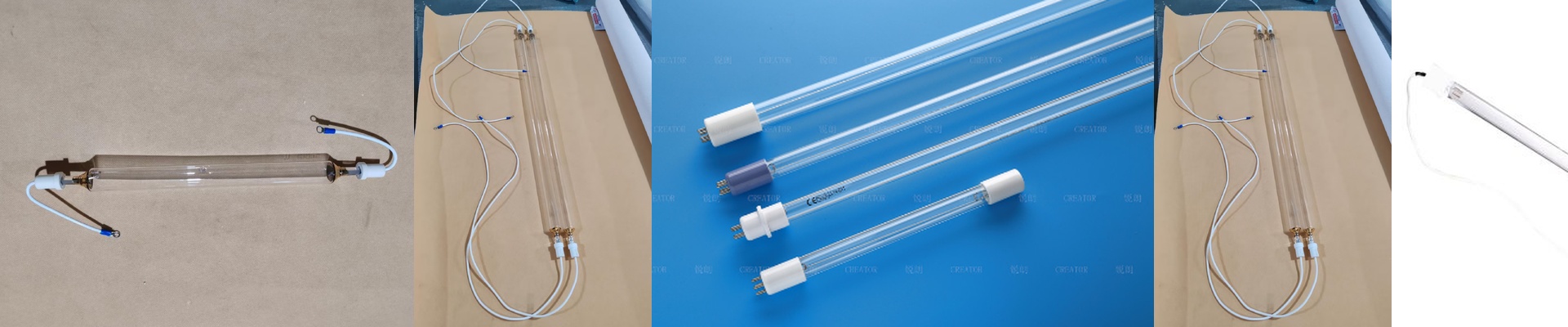
The Truth About Our 80W/cm Mercury UV Lamps
We stick to 80W/cm for our standard mercury lamps for a reason. It isn’t some random number we picked out of a hat. It’s the sweet spot. If you’re running a high-speed industrial line, this is where you find that perfect balance—getting your parts through the line quickly without melting your materials.
Getting the light right
At 80W/cm, these lamps throw out a broad spectrum. You get those strong peaks at 254nm and 365nm, which is great because it means you can cure the surface coatings and the deeper pigment layers all in one go. No double-handling. To make sure that light actually hits your product, we use high-purity quartz glass. It keeps the envelope from soaking up the UV radiation, so the power goes where it belongs. One quick tip: keep an eye on your ballast. If you push the lamp harder than its rated wattage, you’re just killing the electrodes. The tube will burn out way faster than it should.
Dealing with the heat
Here’s the thing: high power means high heat. These lamps put out a lot of infrared radiation along with the UV. If your conveyor slows down too much, you’re going to have problems. We’re talking warped plastic or scorched edges. It’s a headache you don’t want. To stop that, we usually suggest a forced-air cooling system or a chilled reflector to pull that heat away from your parts.
Swapping them out
We made these to be simple drop-in replacements. I’ve seen too many people struggle with misaligned pins or end caps that just won’t fit during a line changeover. We obsessed over those tolerances so you can just plug it in and get back to work. We’re confident in how these perform. If our custom lamps don’t hit the same benchmarks as the big-name brands at the same price, we’ll give you your money back. No fluff, no sales pitches. We just show you the irradiance data and let the numbers do the talking.