Getting the Most Out of the 120W/cm Mercury UV Lamp
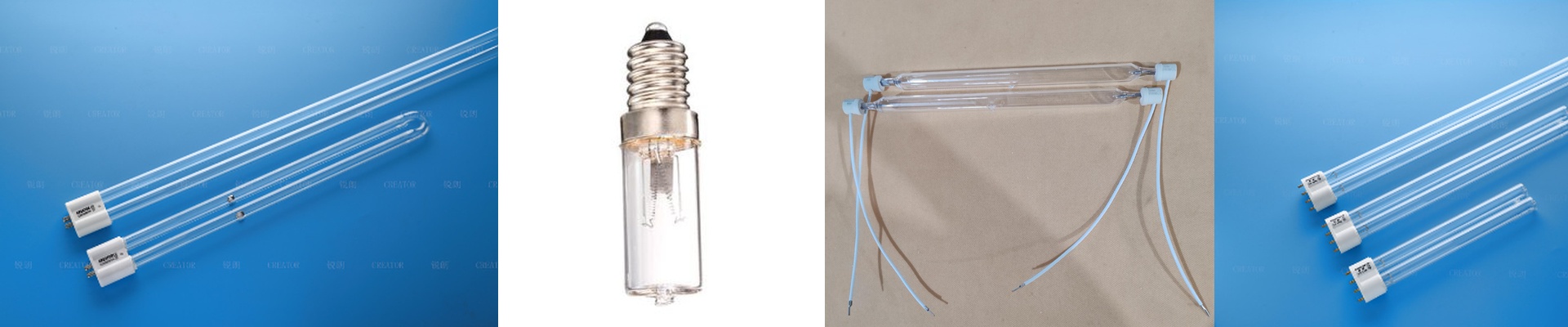
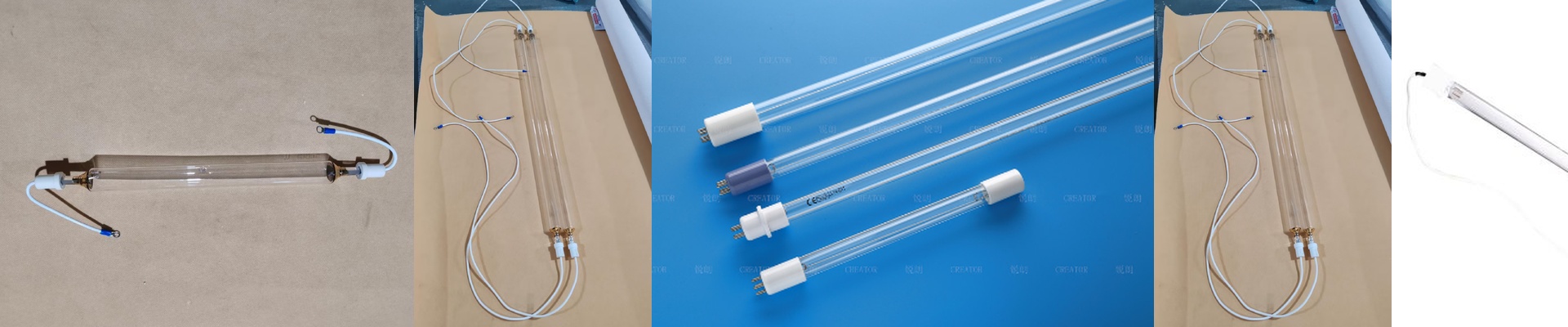
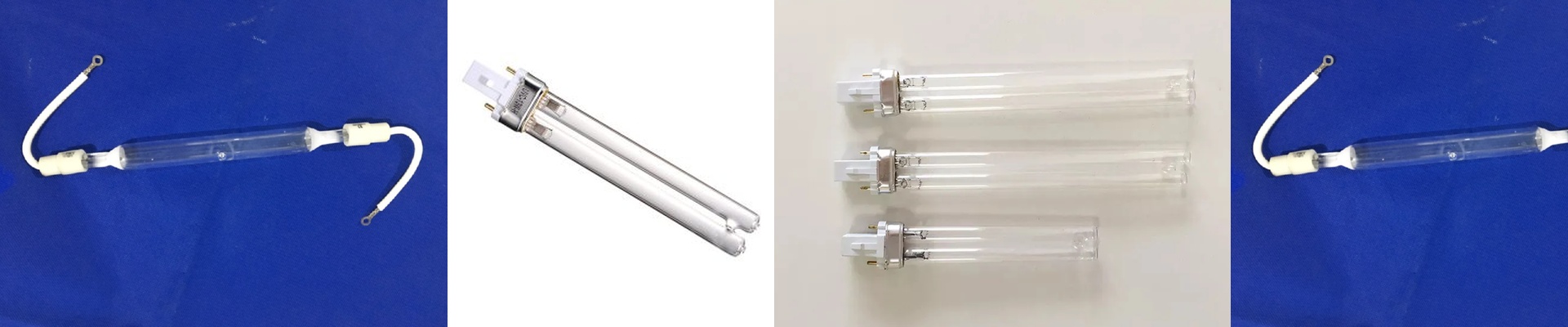
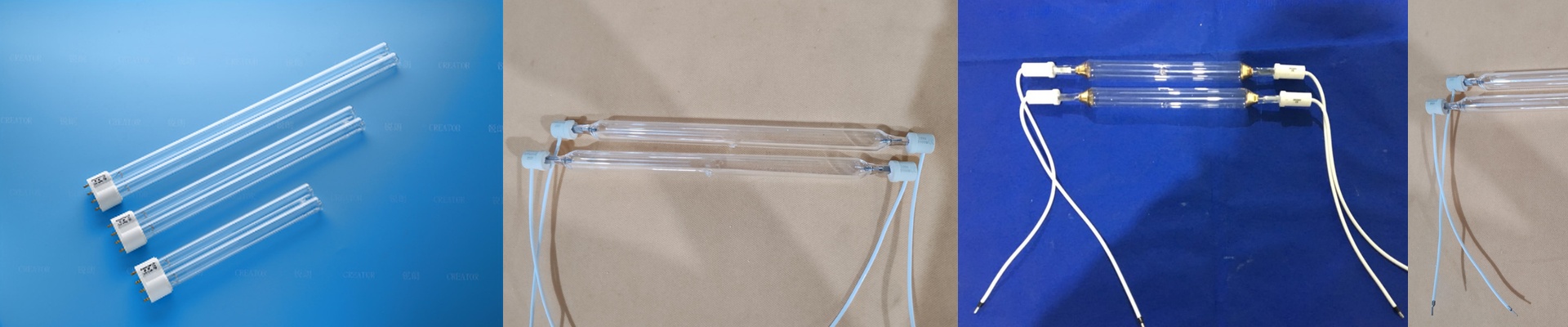
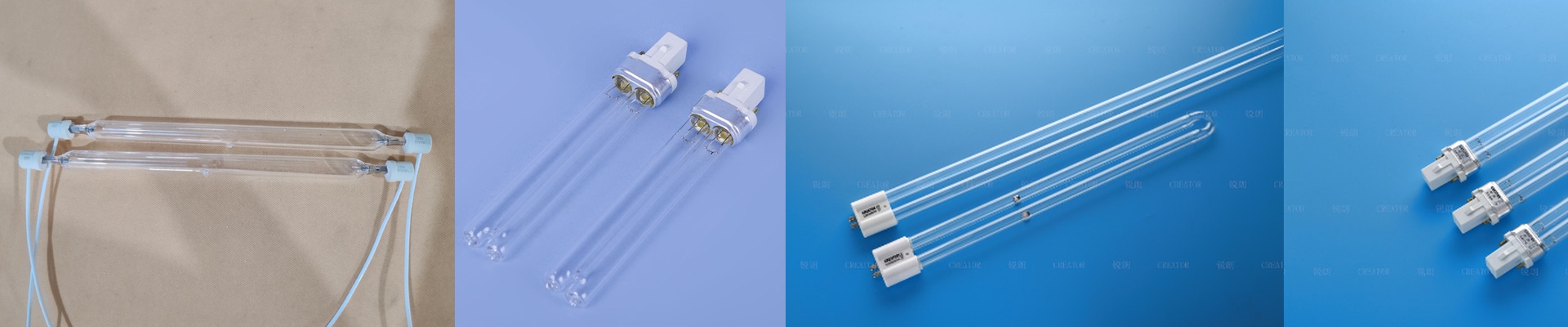
We built the 120W/cm mercury UV lamp because we noticed a problem. Small and medium print shops were stuck between two bad options: spending a fortune on massive industrial systems or settling for cheap gear that just didn’t cut it. We wanted to give you a middle ground—something that actually works for curing inks and coatings without breaking the bank. Let’s talk about the power. The 120W/cm spec is all about consistency. It’s the “sweet spot” for getting UV energy onto your substrate. Since mercury vapor lamps hit those key peaks at 254nm and 365nm, they trigger the photoinitiators in your ink exactly how they should. When the wattage is dialed in, your curing speed stays the same across the whole width of the web. That’s the goal. If you go too low? You end up with “tacky” prints that feel sticky to the touch. Go too high, and you’re looking at scorched paper or ink that shrinks and ruins the look. The heat is the tricky part. Here is the thing: mercury lamps run hot. Really hot. We used a quartz envelope that can handle the internal pressure of the vaporized mercury while letting the UV rays through. But you can’t just plug it in and forget it. You need a stable ballast. If you don’t, you’ll deal with annoying flickers or, worse, the lamp will burn out way too soon. And then there’s the infrared radiation. Because a 120W/cm output puts out a lot of heat, your cooling has to be on point. We’ve seen too many shops use undersized fans, which leads to the lamp overheating and the output dropping right when you need it most. Just make sure your cooling system can actually handle the length of the lamp you’re installing. Making it work on your floor. We believe in making manufacturing accessible. To us, that means creating a part you can just slide into your existing setup. You don’t need to rip out your whole machine or start from scratch. You can usually just swap these into your current UV curing arrays. It’s a simple way to start using newer, faster-curing inks without having to buy a brand-new press. It’s just a practical way to get professional results on a realistic budget.