Dealing with Electrical Noise in Your UV Curing Setup
If you’ve got a few large-scale printing presses running in the same room, you know exactly how “noisy” the electrical environment gets. It’s a mess. Mercury UV lamps need those high-frequency electronic ballasts to keep the arc steady, but if the shielding is sloppy, you get electromagnetic interference (EMI) leaking everywhere. That’s usually when the flickering starts. Or worse, your lamps just give up and die way before they should.
Stopping the Noise
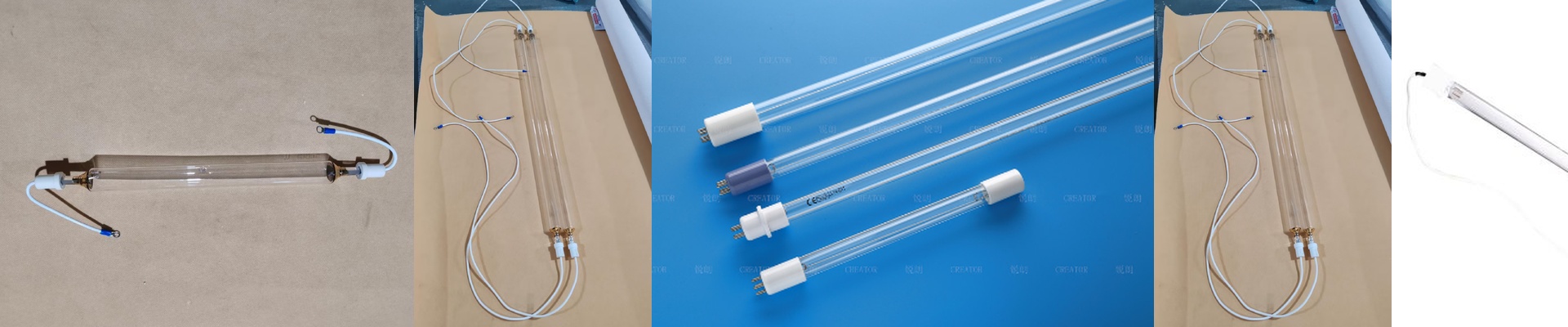
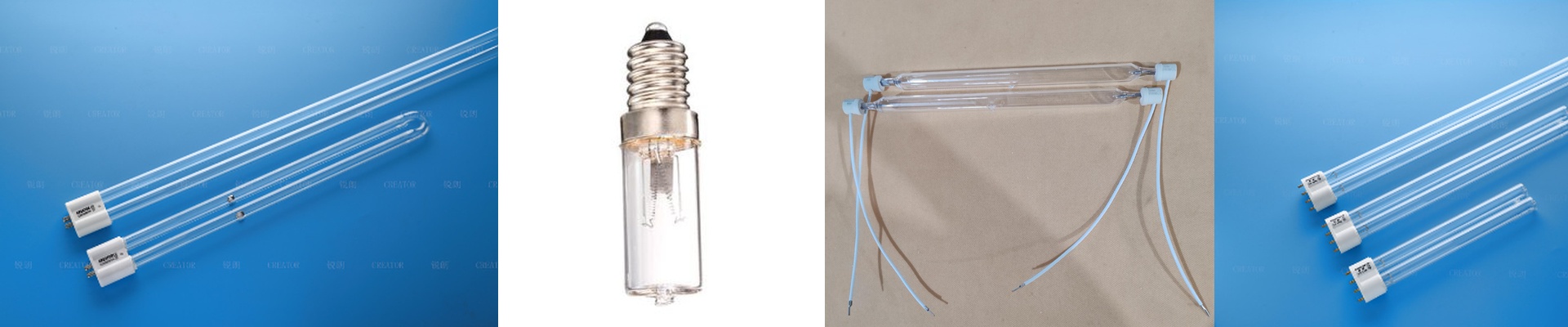
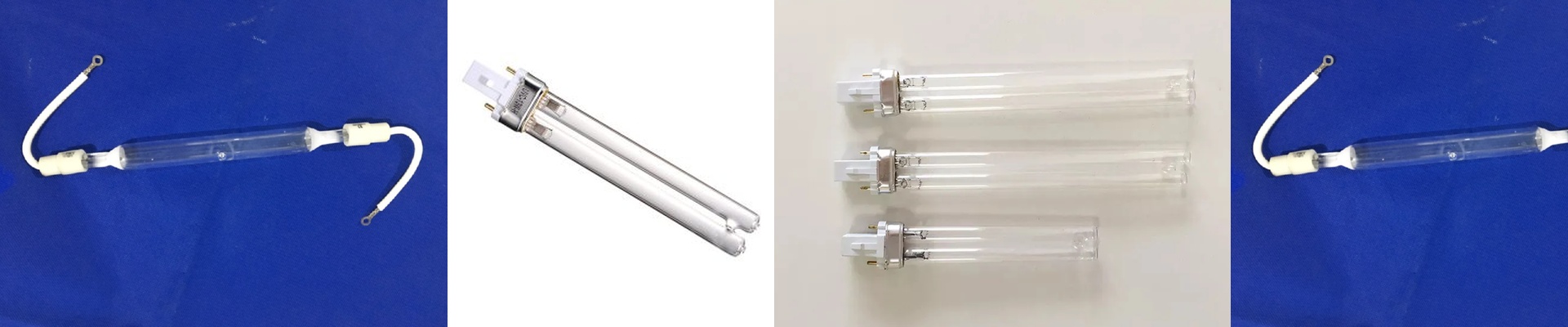
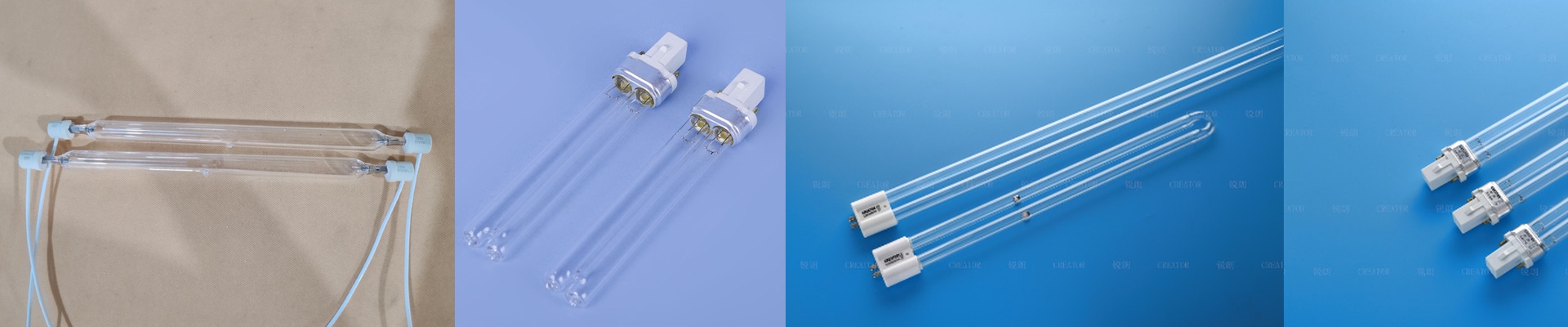
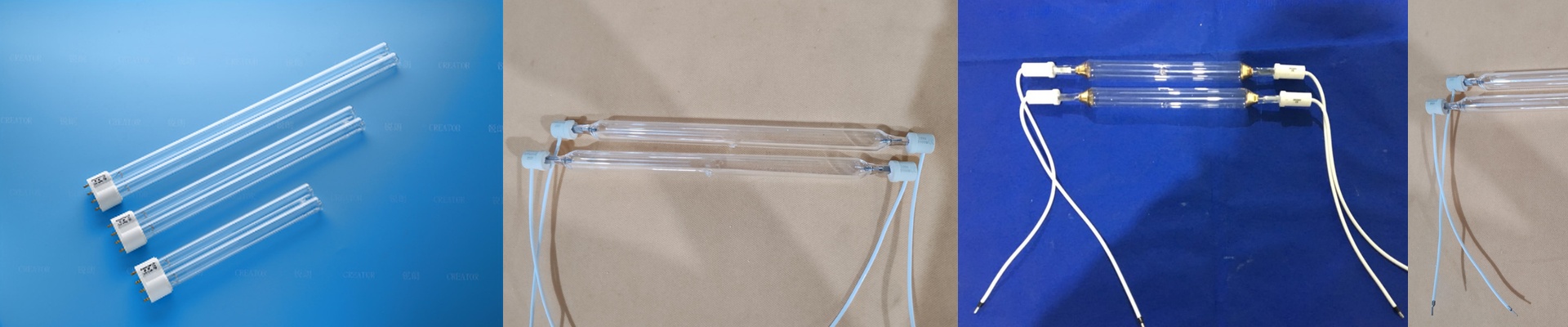
We design our mercury lamps specifically for these kinds of high-interference shops. A lot of it comes down to the nitty-gritty: the internal electrode geometry and the quality of the quartz envelope. We spend our time making sure those voltage fluctuations at the arc end stay under control. Think about it. In a shop where ten presses are humming at once, a cheap lamp is going to drift.Ours stays locked in. We also use specific shielding in the lamp head and ballast coupling. This stops the noise from jumping from one unit to another. If you’ve ever seen that “ghosting” effect on your prints—where the UV output dips for a split second—this is how you kill that problem for good.
The Catch: Power and Heat
Here’s the thing: getting that kind of stability means tighter tolerances in the lamp’s physical build. You get a rock-steady UV output, but the trade-off is heat. These lamps run hot. If you’re packing these into a tight curing tunnel, you can’t skim on your exhaust fans. Make sure they’re spec’d right. If the cooling fails, the quartz gets stressed and the lamp burns out early. Simple as that.
How it Actually Feels on the Floor
You’ll really notice the difference during those peak production shifts when everything is running at full tilt. Standard lamps tend to flicker the moment a heavy motor kicks in nearby. These units don’t. They just keep a constant wavelength. Plus, they’re a drop-in replacement for most industrial presses. Just wire it up to your existing ballast and you’ll see a much smoother curing curve across the entire web.