
Making UV Curing Work in Your Textile Shop
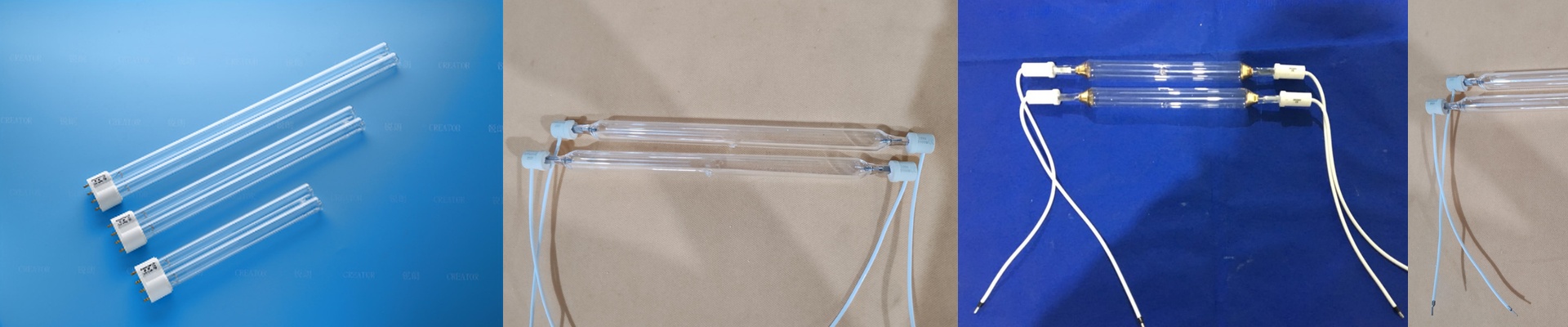
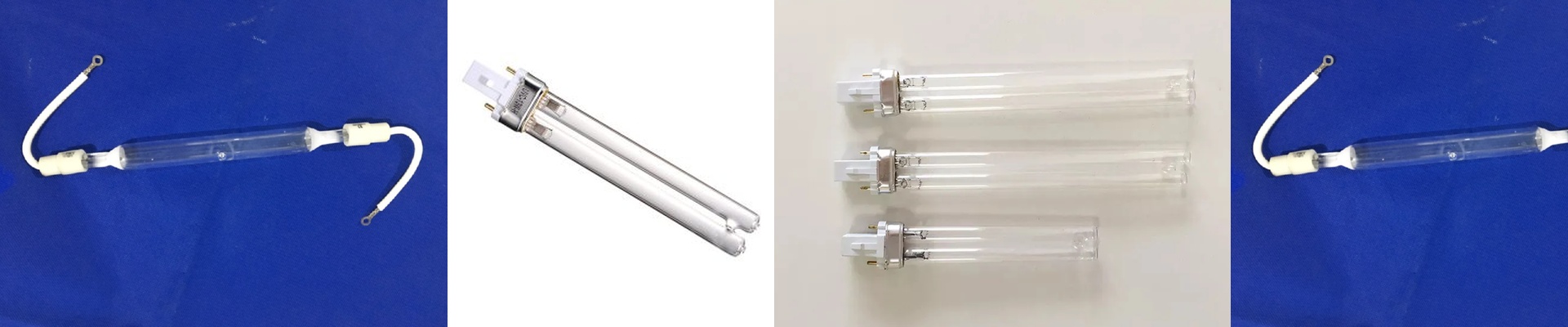
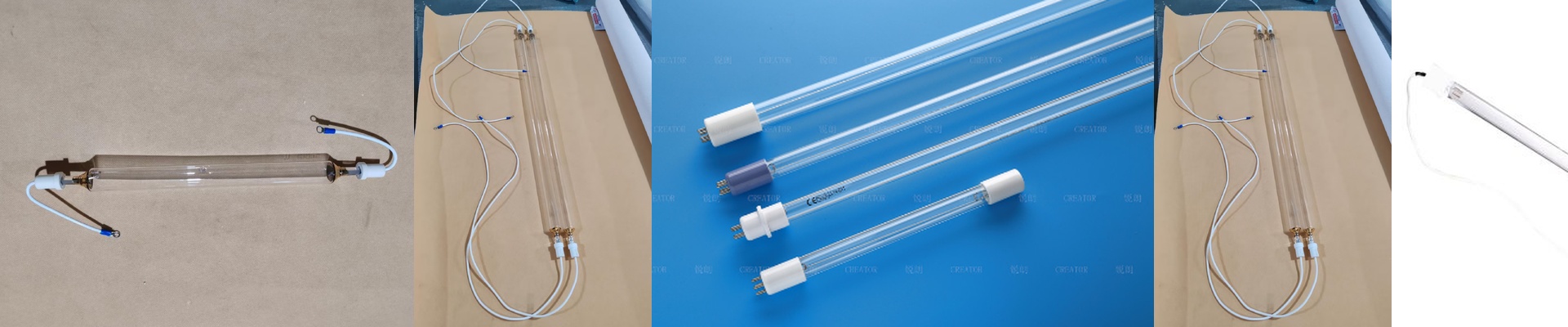
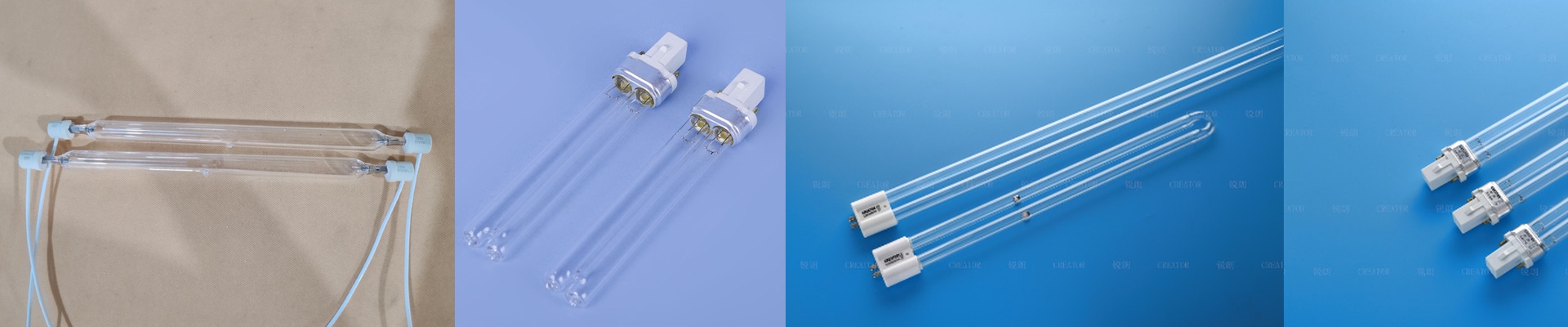
UV curing is basically the magic that turns liquid resins into solid polymers. We use these modular lamp setups for pretty much everything—from the first fiber coating to the final print on a garment. The whole point is to get that liquid to set fast. Really fast.
Getting the Setup Right
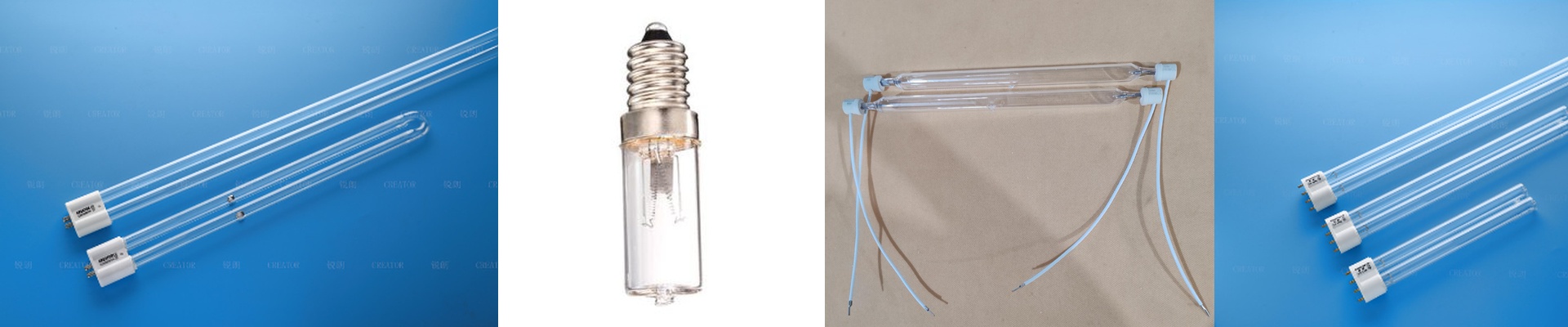
The beauty of a modular system is that you can scale your intensity based on how fast your line is moving. If you’re cranking a conveyor at 50 meters per minute, one lamp just isn’t going to do the job. You’ll need a whole string of them to make sure the fabric gets enough UV dosage. We build these with interchangeable modules for a reason: because things break. When a tube burns out, you just swap it. You don’t have to tear down the entire rig and lose a whole afternoon of production. But here’s the tricky part: heat. High-wattage lamps cure faster, but they pump out a ton of infrared heat. If you aren’t careful, you’ll scorch the fabric or warp your synthetics. It’s a balancing act. You need cooling fans that can actually pull that heat away from the material the second it hits.
Picking Your Wavebands and Mirrors
Depending on the ink or coating you’re using, you’ll want different wavebands. Shortwave UV is great for getting a hard surface, but if you’re working with a thick textile weave, you need longer wavelengths to actually get deep into the fabric. And don’t overlook the reflectors. They do the heavy lifting. We use polished aluminum or dielectric coatings to bounce those photons straight back onto the cloth. If your reflector geometry is off, you’re basically throwing 30% of your light into the air. That’s just wasting electricity and slowing down your line for no reason.
The Trade-offs
Now, modular systems are flexible, but they aren’t “plug and play” in the simplest sense. Your wiring gets messy. You’re dealing with a bunch of different ballasts and power feeds. If your electrical panel isn’t balanced, you’ll start seeing flickers or weird, inconsistent curing patterns across the web. It’s a great system, but you pay for that versatility with a bit more time spent on setup and a lot more cable management.