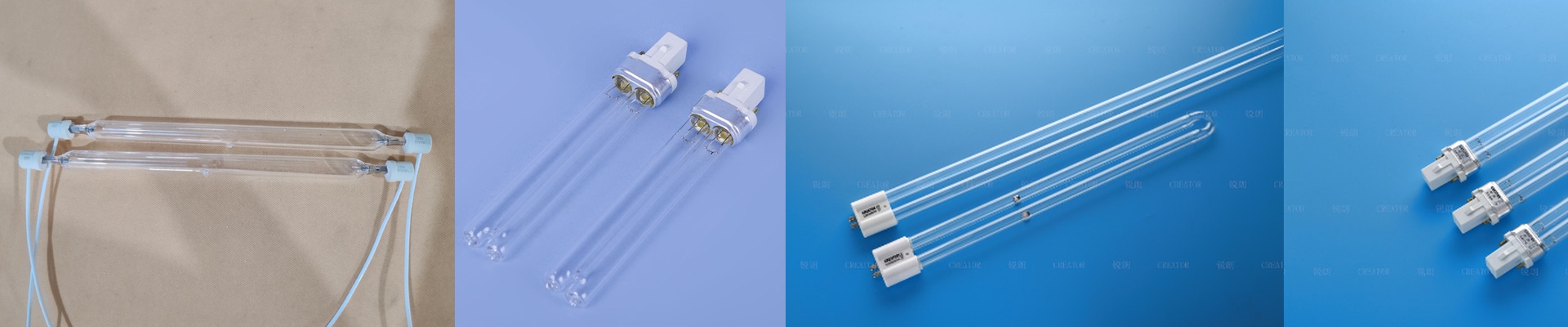
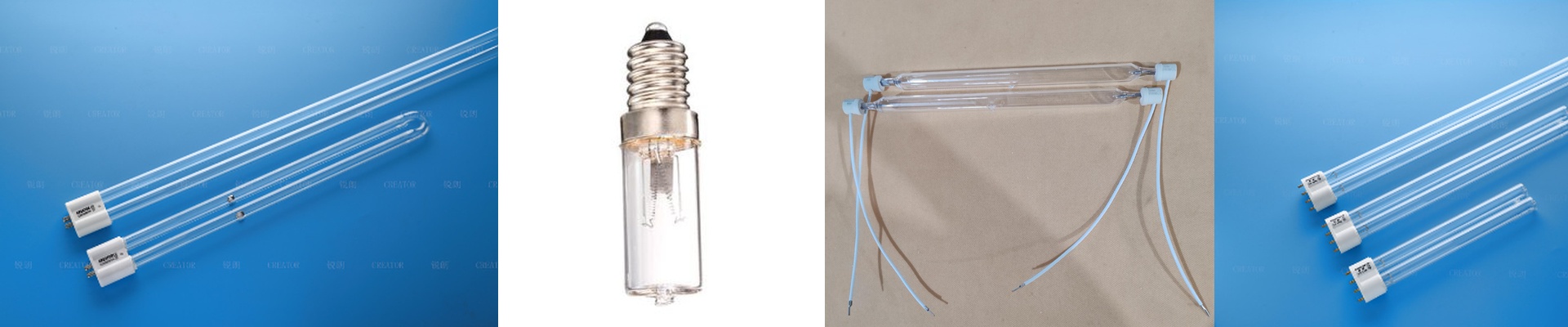
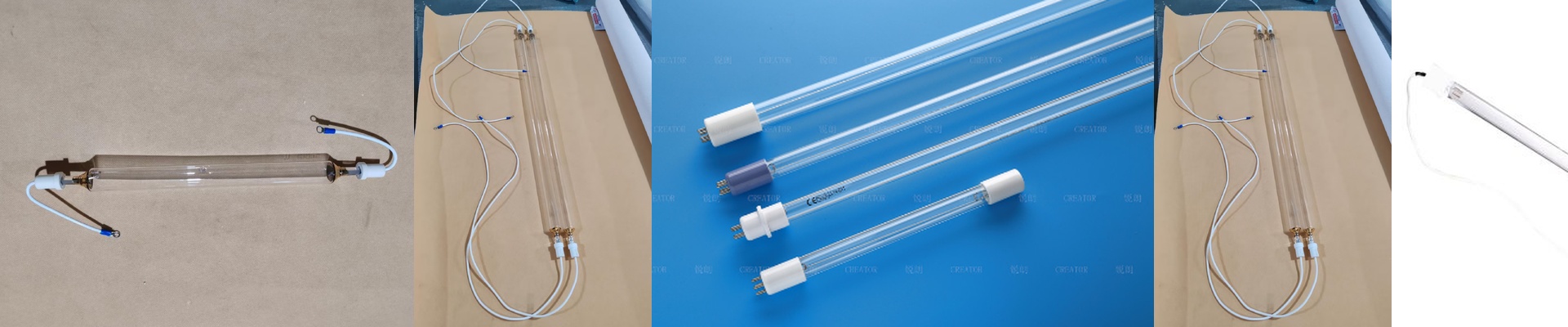
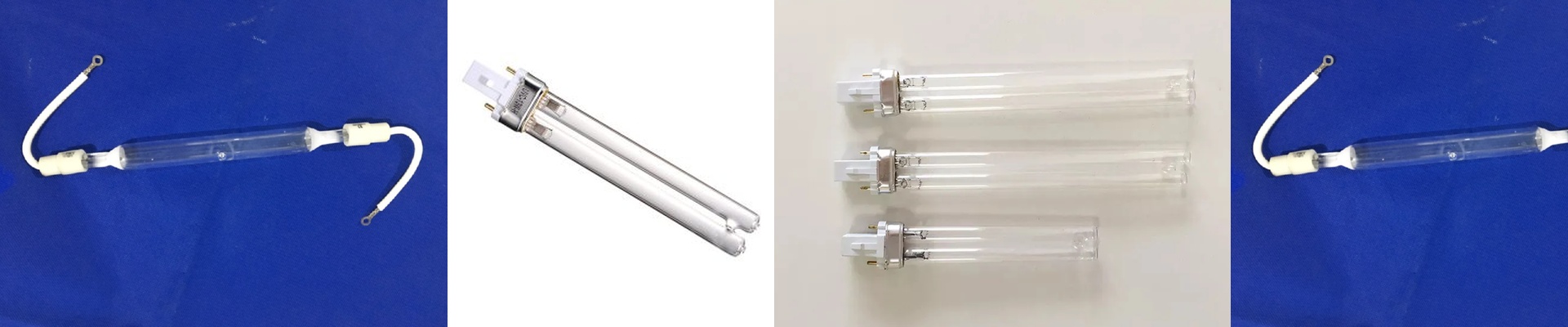
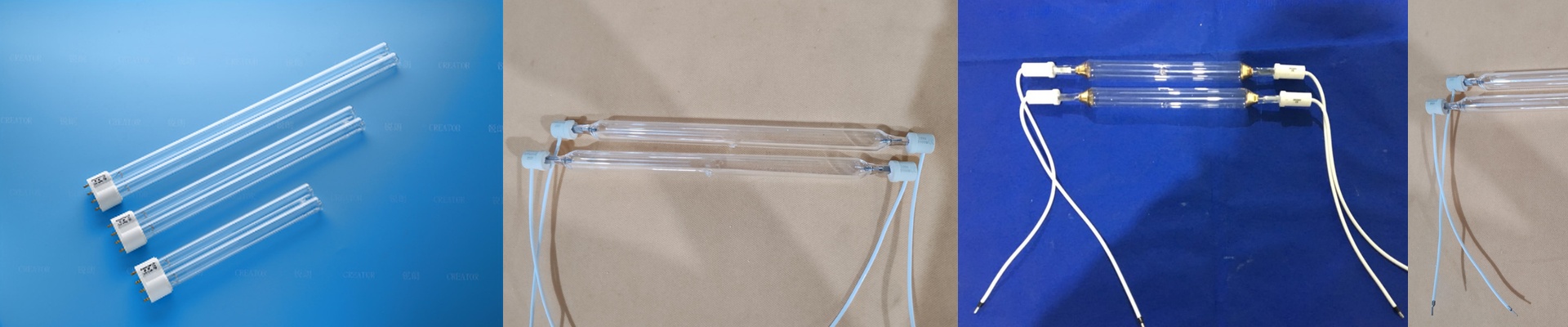
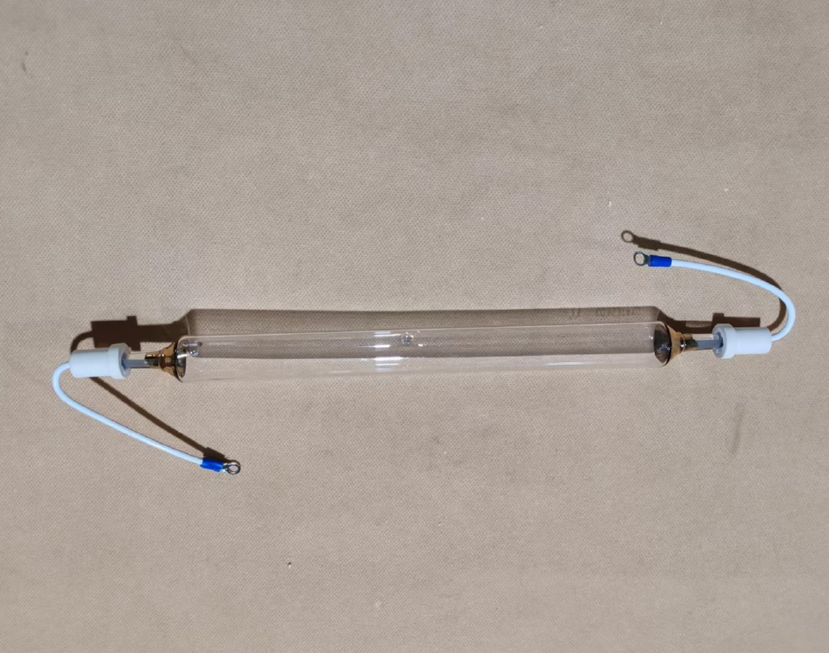
Most people think UV light is just for sanitizing hands or tanning at the beach. But in the textile world? It’s basically a chemical tool. We use different UV wavelengths to take a piece of raw fiber and turn it into a finished piece of clothing. It mostly comes down to two things: curing and cleaning. Let’s talk about curing first. When we put UV-curable inks or coatings on fabric, we aren’t just “drying” them. We’re starting a reaction. The UV lamp shoots out high-energy photons that hit the ink and trigger a process called polymerization. In plain English: it turns liquid ink into a solid plastic film almost instantly. It’s fast. Really fast. But you have to get the settings right. We look at the irradiance—basically how much power is hitting the fabric. If you speed up your production line, you’ve got a problem. The ink might stay tacky. To fix that, you either crank up the wattage or move the lamp closer to the fabric. Depending on the job, we pick different lamps. Low-pressure mercury lamps are great for a quick surface cure. But if you’re working with thick, heavy fabrics, you need medium-pressure lamps to really get deep into the material. Then there’s the cleaning side of things. Before everything hits the dye vats, we use UV-C light to handle the “bio-load.” It basically shreds the DNA of bacteria and viruses so they can’t function. We usually tuck these lights into the air filters or build them into conveyor tunnels. It’s the best way to make sure your raw materials are actually clean before you start the real work. The tricky part? The heat. High-output UV systems get hot. Really hot. If you run those high-wattage lamps without a cooling jacket or a strong fan system, you’re going to have a bad day. You’ll end up scorching the fabric or, even worse, shrinking the whole batch. It’s a constant balancing act between the “dose” of UV you need and how much heat the fabric can actually take. And don’t even get me started on the wiring. You need precise ballast control. If your voltage is off, you’ll either burn out your lamps way too early or the ink won’t cure properly. There’s nothing worse than finishing a huge run of garments only to have them fail the rub test because the ink didn’t set.