Don’t Let Customs Kill Your UV-C Shipment
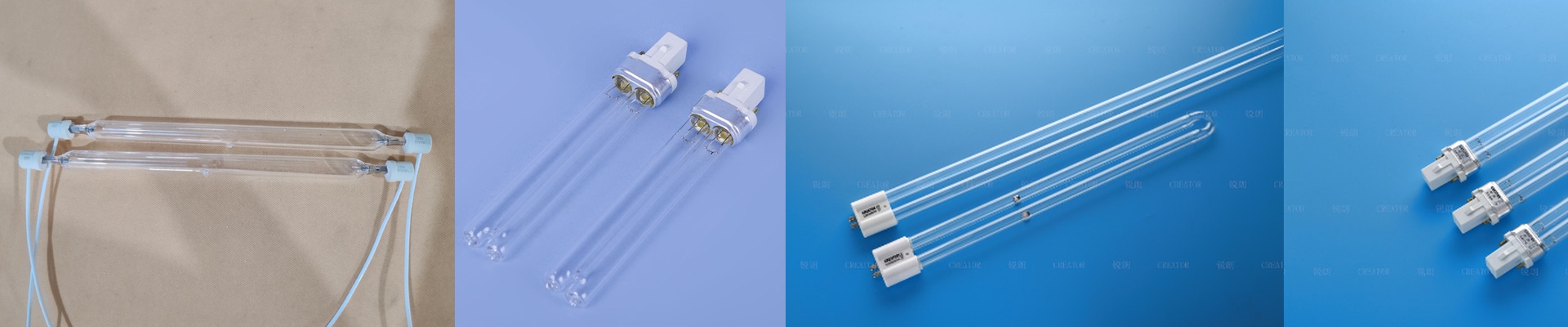
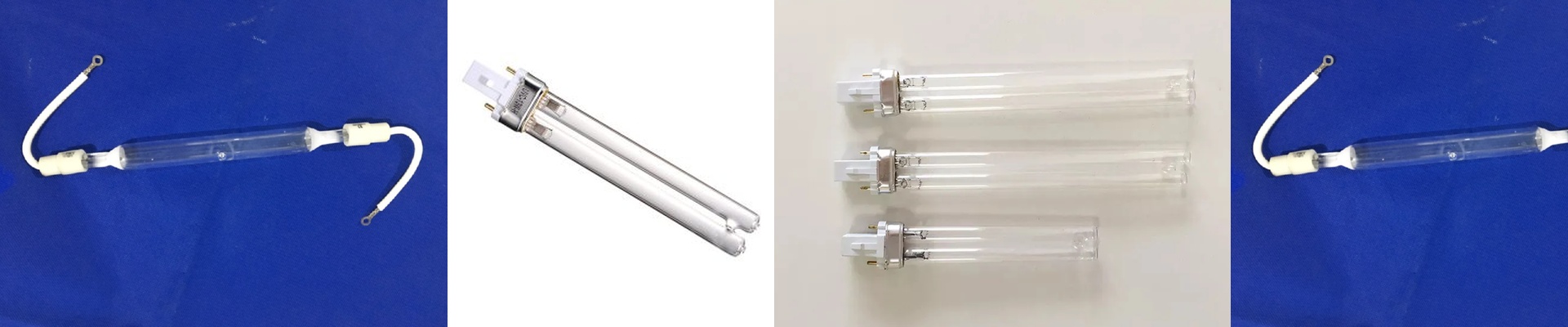
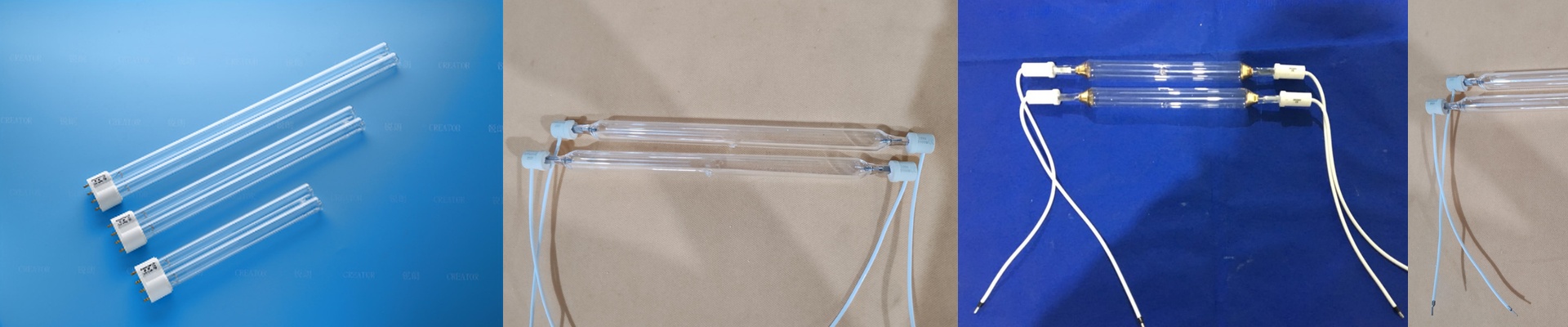
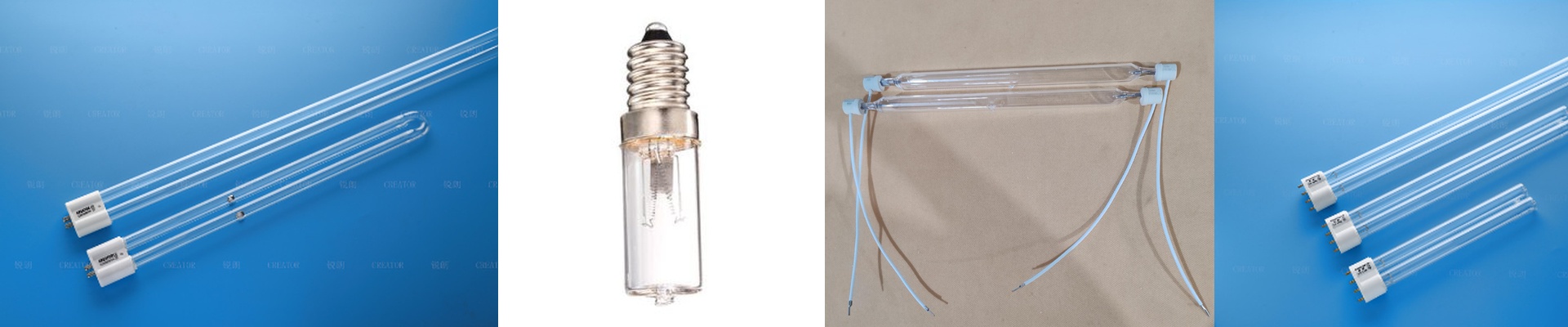
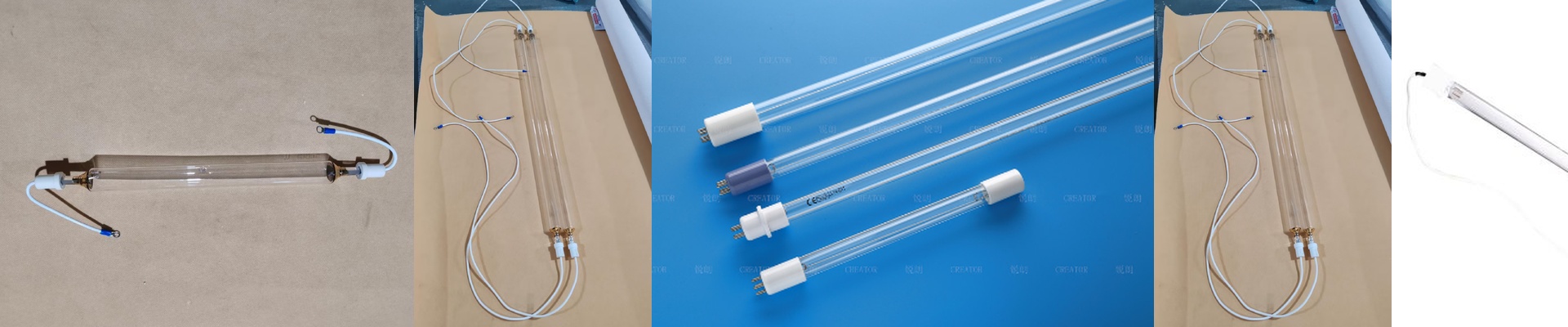
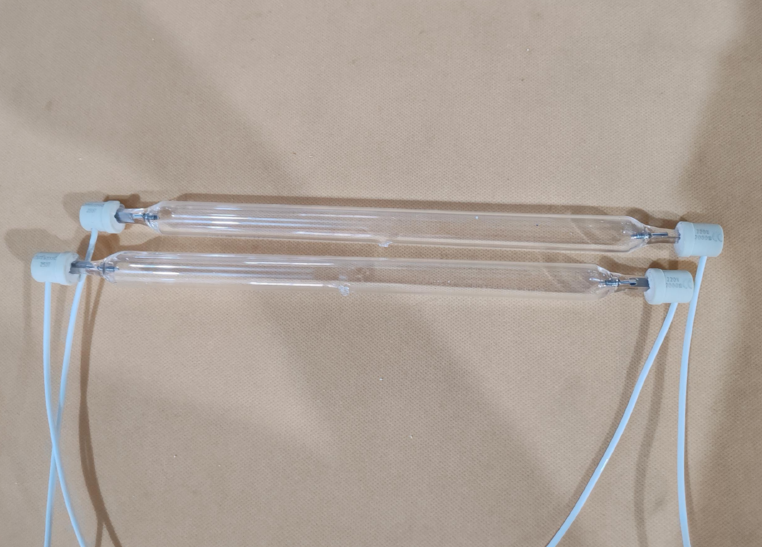
Shipping UV germicidal lamps across borders is about way more than just getting the voltage right. It’s a legal minefield. Here’s the reality: if you source lamps that rip off someone else’s patents—maybe a specific electrode shape or a certain quartz blend—your entire shipment could get seized at the border. It’s a nightmare you don’t want. We use our own patented tech for a reason. It means your gear actually clears customs without some lawyer knocking on your door. The headache of patent protection Most cheap, generic lamps just use basic mercury-vapor designs. But when you need high-output power, things get tricky. There are specific patents on the amalgam alloy in the electrodes and the way the quartz is coated to hit that sweet spot of 254nm. Since we own the patents, we hold the keys. You don’t have to worry about “patent trolls” or competitors trying to sue your brand the moment you land in the EU or North America. It just gives you peace of mind. Hardware that actually lasts Compliance isn’t just a checkbox; it’s about the gear not breaking. A lamp that flickers or, worse, leaks mercury, is a massive liability. We build our lamps to take a beating. We’ve spent a lot of time on the glass-to-metal seal so it doesn’t crack during a bumpy ride in a shipping container or a rough installation. Our sealing method keeps the gas where it belongs, which is where those low-end tubes usually fall apart. The trade-off with high power More UV-C intensity usually means more heat at the ends of the lamp. You can’t just crank up the wattage and hope for the best. If you push a lamp past its limit just to get more disinfection power, you’ll fry the electrodes. It’s that simple. Your system needs a ballast that matches our specific drive current if you want the lamps to actually last. To make it easy, we give you the exact current maps. That way, you can wire everything up correctly the first time and get back to work.