Stop Guessing Your Cure: Building UV Modules That Actually Work
If you’re heading to the 2026 Printing Exhibition, you’ll see plenty of generic lamps. But let’s be honest—generic doesn’t cut it when you’re dealing with weird ink chemistries or trying to crank up your line speeds. The real headache in high-speed printing is the “under-cure.” You know the feeling: that tacky, half-dried surface that ruins a whole batch of packaging. We build our UV modules specifically to kill that problem.
Power and the Heat Struggle
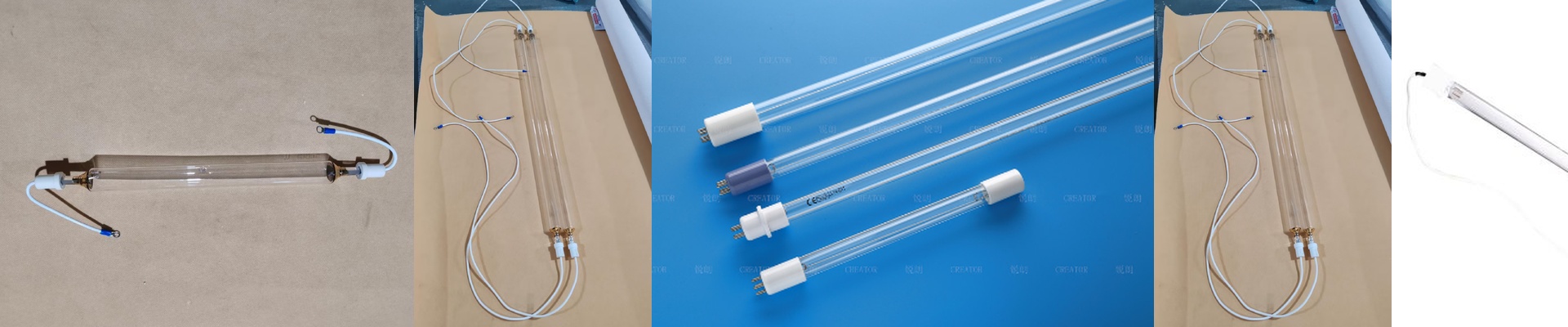
We don’t just throw a random wattage at your problem and hope for the best. We tune the light intensity to match your specific material. Using high-wattage UV-LED arrays means the light is on the second you need it. No warm-up, no waiting. Just a concentrated beam hitting the ink instantly. But here’s the catch: all that power creates a ton of heat. If you cram that much energy into a small space without a plan, your LEDs will start to drift and lose their punch. To stop that from happening, we use heavy-duty aluminum heat sinks and forced-air cooling. We keep the temperature low so the light stays consistent, and your quality doesn’t dip halfway through a shift.
Getting the Light Where it Matters
Most standard lamps are wasteful. They spray UV light everywhere, even where there’s no ink to cure. It’s a waste of electricity and space. We fix this by tweaking the lens angles and reflectors. We focus the energy exactly where it needs to go. Because the light is so targeted, we can move the lamp closer to the substrate, which means your machine doesn’t have to take up half the warehouse. Plus, we make these as drop-in replacements. Whether you need a weird length or a custom bracket, we build the module to fit the chassis you already have. You don’t have to tear apart your entire conveyor system just to upgrade your light.
Built for the Factory Floor
Let’s be real: factories are messy. There’s ink mist, solvent vapors, and a lot of dust. We seal our electronics tight so they don’t choke on the fumes. It’s a simple setup—wire it into your PLC, dial in your intensity, and hit start. When it works, it just works. You get a rock-solid cure across the entire width of the web, and you can finally stop worrying about tacky surfaces slowing down your line.