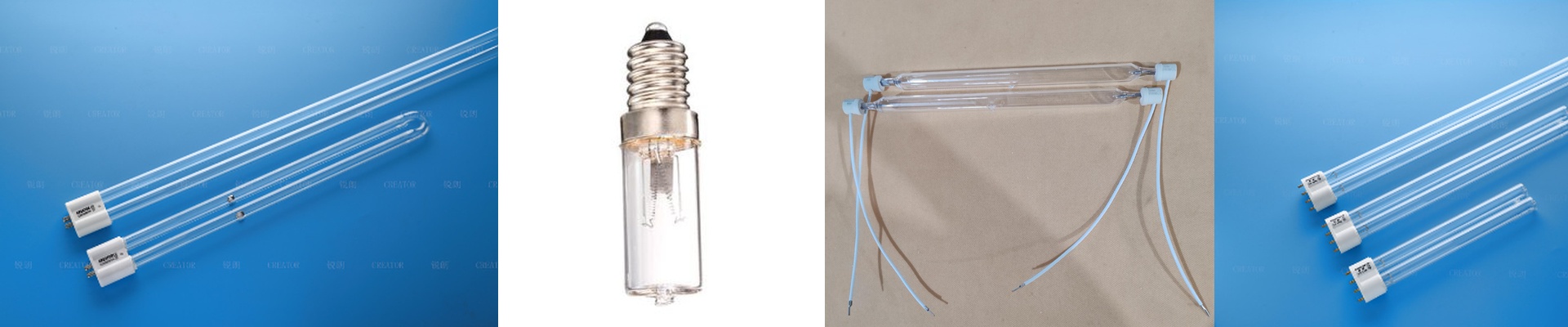
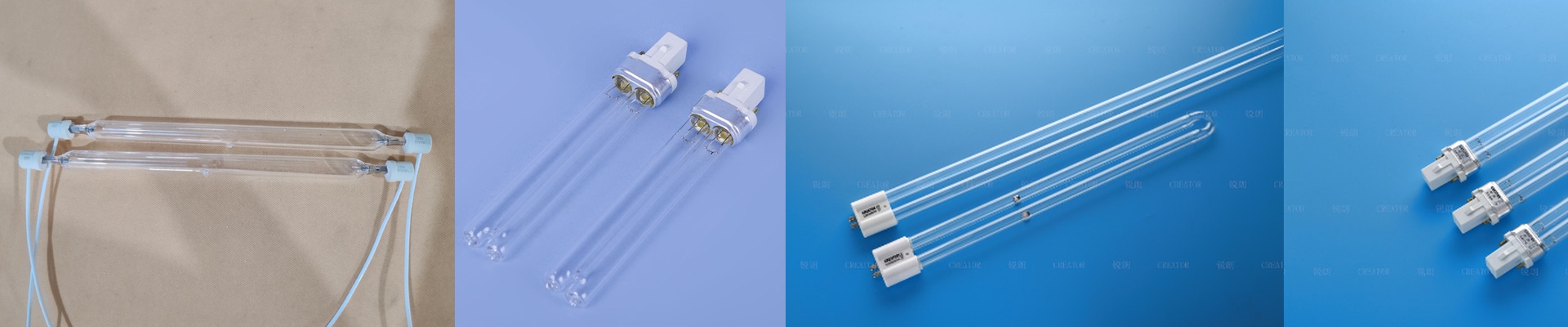
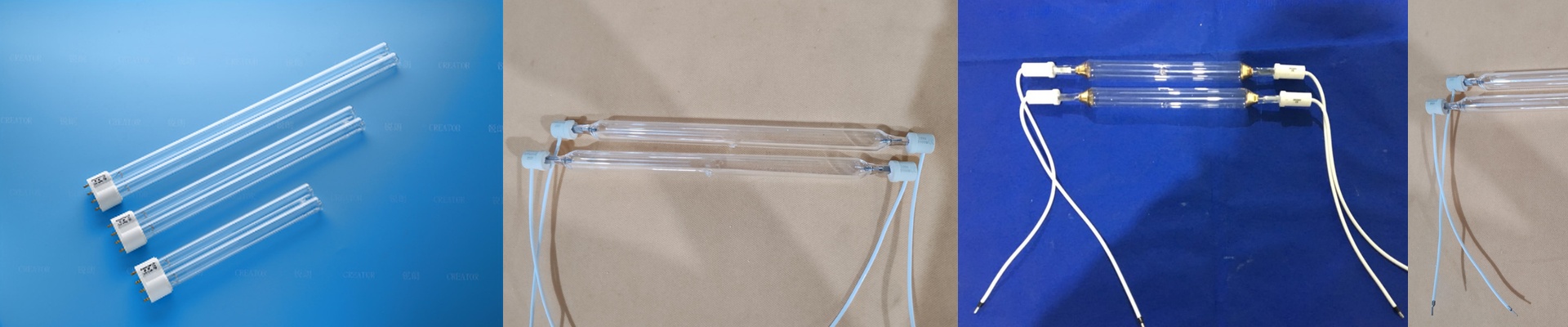
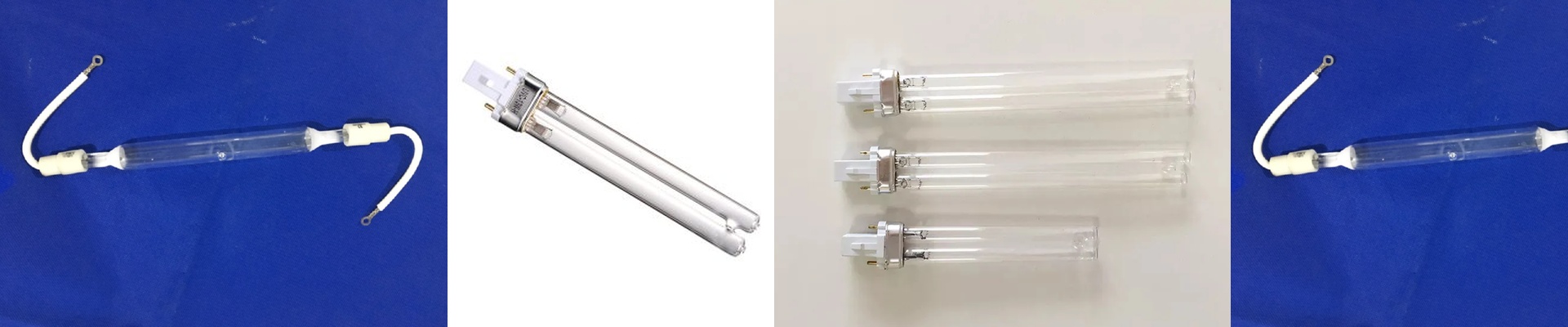
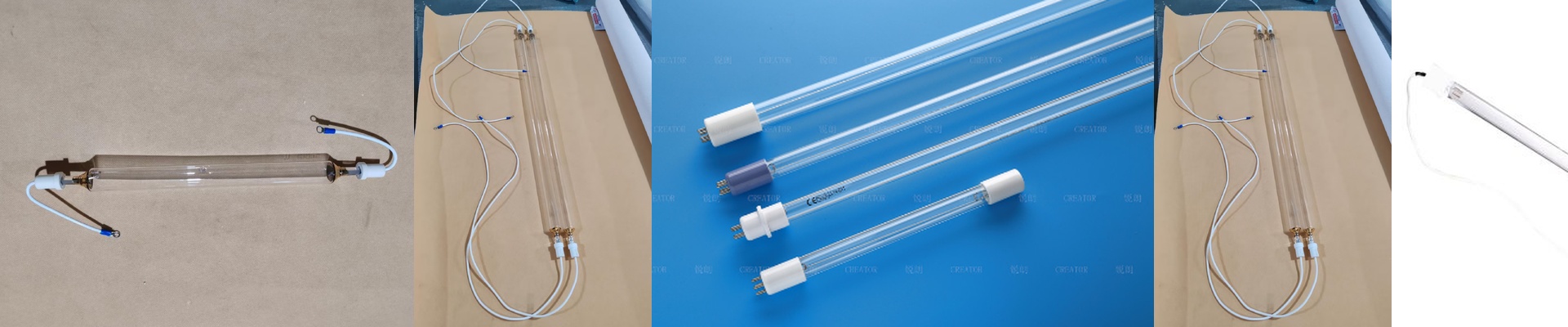
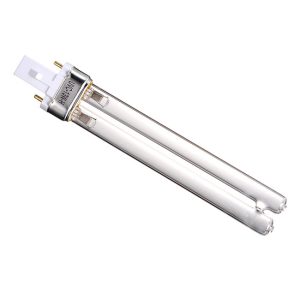
Getting Your UV Curing Right (Without the Headaches)
Most people think UV curing is as simple as flipping a switch and turning on a light. But if you’ve ever dealt with a surface that stays tacky or a cure that doesn’t go deep enough, you know it’s a bit more fickle than that. It all comes down to a match. Your lamp’s emission peak has to line up perfectly with the photoinitiator in your resin. If you’re off by just a few nanometers, the chemistry just doesn’t happen. That’s why we build our lamps to hit those narrow bands—so the reaction happens instantly, every single time. The balancing act: Power vs. Heat Here’s the thing about wattage. High-intensity output is great because it lets you crank up your line speeds. But there’s a catch: heat. When you cram a lot of power into a small lamp, things get hot. Really hot. If you aren’t careful, you’ll end up warping your components or degrading the substrate. You have to find that sweet spot between the irradiance (the raw power hitting the part) and what your material can actually handle. Pushing too much power without a solid cooling plan is a recipe for ruined parts. The small stuff that actually matters We don’t just use standard quartz. While it lets plenty of UV through, it also lets through a lot of long-wave radiation that does nothing but heat up the air. We use specific coatings to filter that out, focusing all that energy right where it belongs: on the curing agent. And we don’t cut corners on the hardware. We use industrial-grade connectors because 24/7 production lines are brutal. Cheap contacts lead to arcing, and arcing leads to burnt-out lamps. Nobody wants to stop a line for a preventable hardware failure. Putting it all together on the line When you’re fitting these into a conveyor system, the distance is everything. We design for a tight beam angle to make sure the energy actually hits the product instead of wasting it. It’s more efficient, and it keeps your cost per part down. But a quick heads-up: these high-output lamps are powerful. You’ve got to be rigorous about shielding. If your housing leaks, you’re risking your team’s safety. Just double-check that your enclosures are seated tight before you power everything up.