How We Built a Better UV Lamp (Without the Markup)
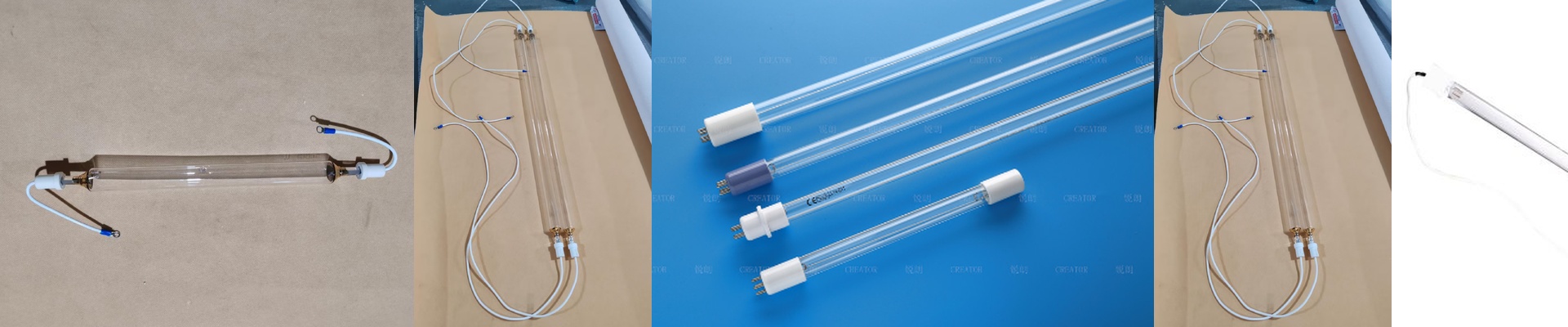
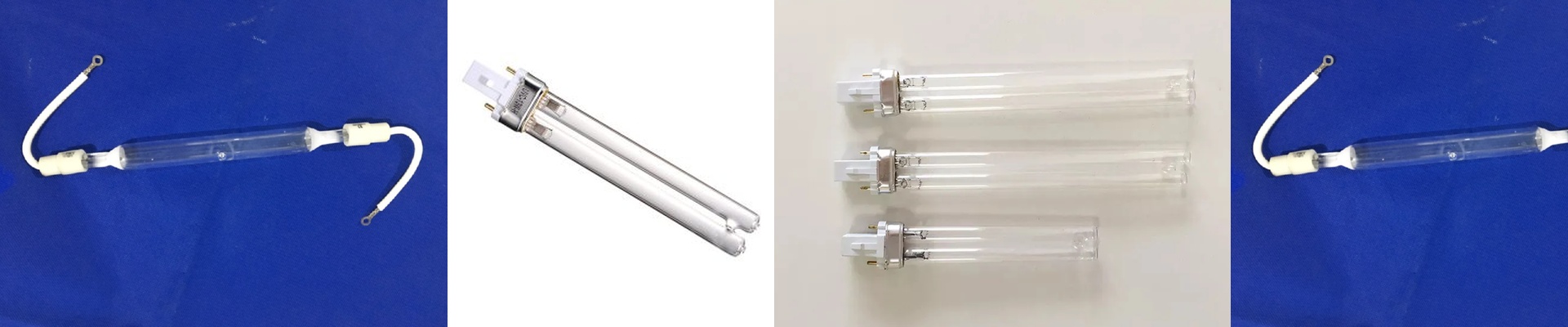
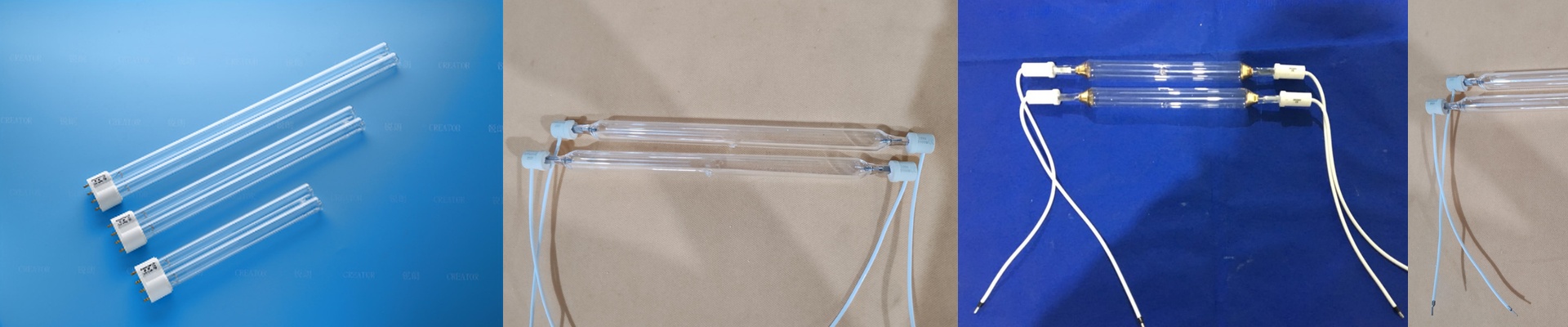
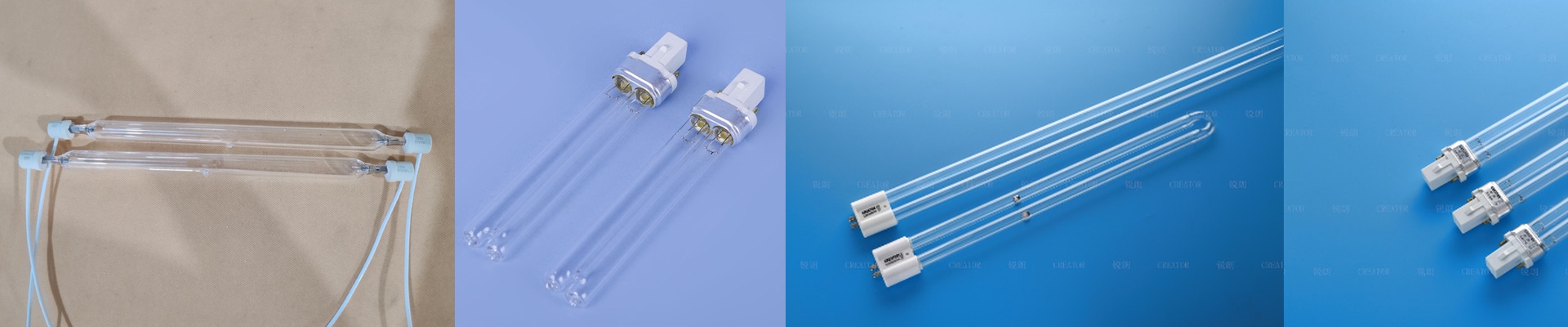
We spent 15 years in the trenches. We started out just making parts for other people, but eventually, we wanted to build our own UV germicidal lines. The mission was simple: build a lamp that hits the same power as those big-name international brands, but without the ridiculous price tag. When you’re dealing with industrial sterilization, it’s a balancing act. You need enough UVC punch to actually kill the bugs, but you don’t want to bleed electricity for no reason. The secret is in the guts. To get that energy-saving magic, we focused on the gas mix and the quartz envelope. We tuned everything to hit a peak of 253.7nm. Why? Because that’s the sweet spot where DNA absorption is at its highest. We also tweaked the electrode materials. This lowers the voltage needed to get things started and keeps the lamp cooler while it’s running. Less heat means the quartz doesn’t wear out as fast. It’s a win-win. You get a lamp that lasts longer before it burns out or loses its kick. It’s all about the build quality. We use high-transmittance synthetic quartz. Regular glass is useless here—it just blocks the UVC. Quartz lets it fly right through. But the real headache with cheap lamps is usually the seal. If air leaks in around the electrodes, the lamp dies early. We spent a lot of time refining that seal to make sure it’s airtight. Plus, we made sure the pins fit snug in G13 sockets. A loose connection leads to arcing, and arcing is the fastest way to fry your ballast. What this means for you. If you’ve got an industrial air or water system, these are basically drop-in replacements. You’ll likely see your power draw dip by about 20-30% compared to those old mercury vapor models. One heads-up, though. Because these are more efficient, they don’t hit full power the millisecond you flip the switch. They need a moment to warm up. Just make sure your system timer accounts for that little lag so you’re actually getting the sterilization you need.