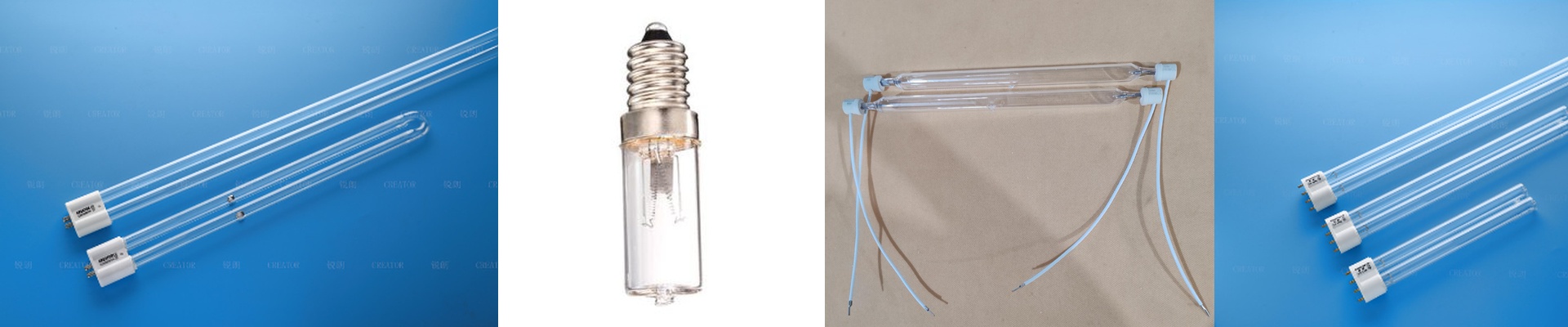
We spent 15 years as the “secret ingredient.” Now, we’re doing it our own way.
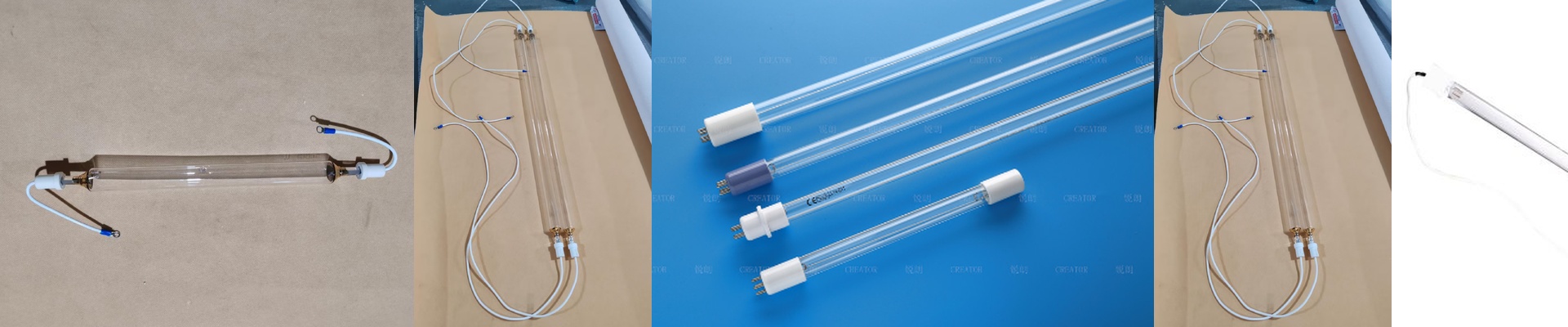
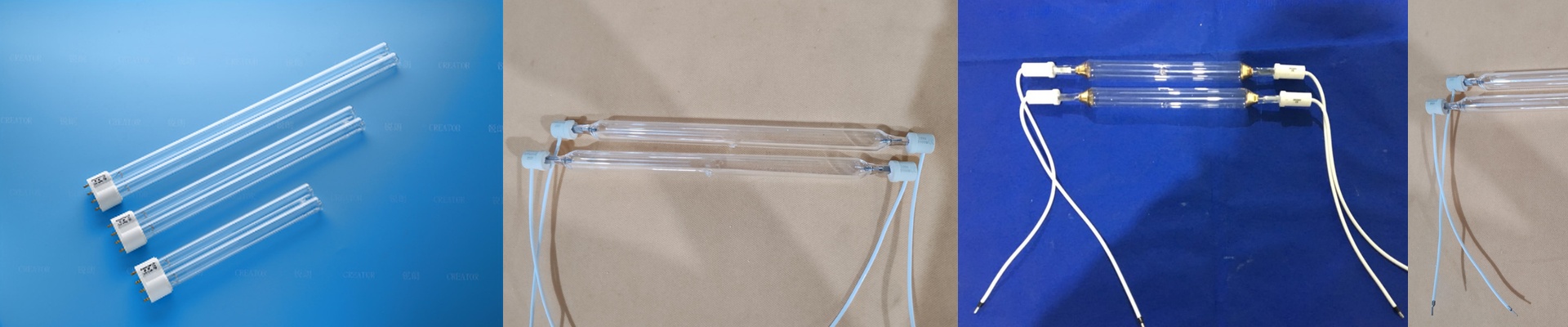
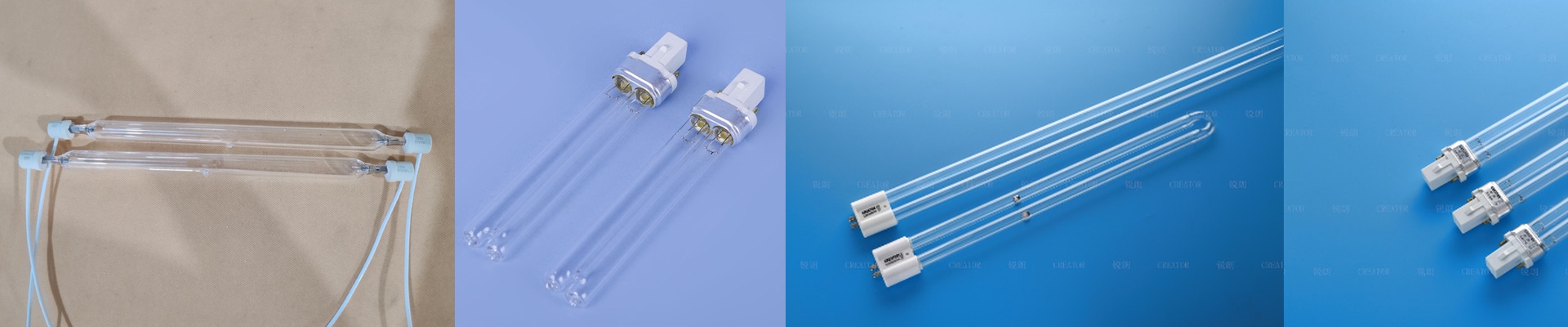
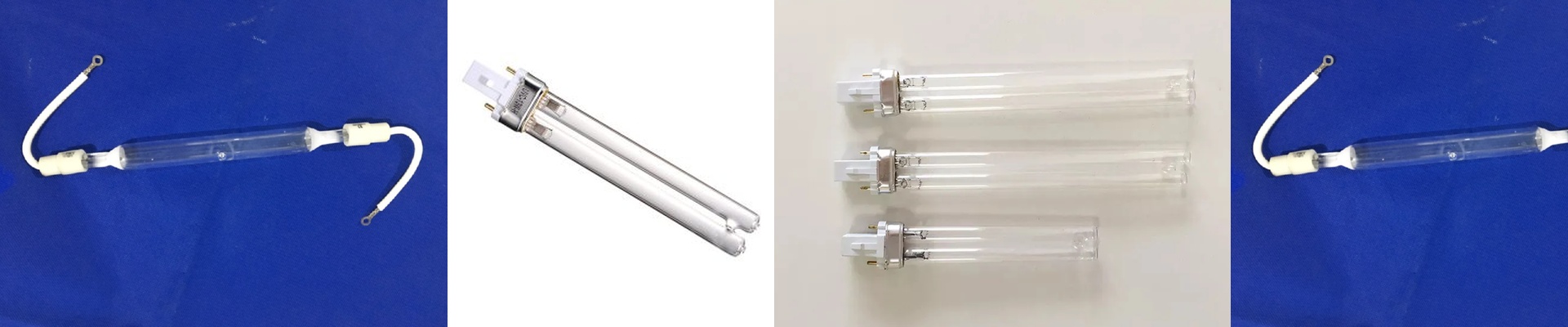
For a decade and a half, we were the silent partner. We built the UV lamps that lived inside the machines of the world’s biggest brands. We didn’t get the credit, but we got the data. We saw exactly where these lamps broke, why they flickered, and what made them die early. Now, we’re taking everything we learned on those factory floors and putting it into our own gear.
The trick to a steady light
Here’s the thing about UV curing: it’s picky. If your wavelength drifts or the intensity dips even a little, your coating doesn’t set. Then you’re stuck with a pile of rejected parts and a huge headache at QC. To stop that, we obsess over the small stuff. We use high-grade quartz glass and make sure the electrodes are exactly where they need to be. If the filament is off by even a single millimeter, you get “hot spots.” Those hot spots are basically death sentences for a tube. We use materials that can take the heat without warping, so your light stays steady.
Dealing with the heat
High-wattage lamps get hot. Really hot. You can’t just cram power into a tube and hope for the best. We spend a lot of time balancing the wattage against the tube’s diameter. Sure, cranking up the power density makes your line move faster, but it puts a massive strain on your cooling system. If your fans are dusty or your reflectors are grimey, the lamp is going to burn out way too soon. We made sure our lamps are simple drop-in replacements. The footprint and the connectors match the international standards you’re already using, so they just work with your existing ballast. No fuss.
Built for the real world
Lab tests are great, but they aren’t the real world. A 24/7 production line is a different beast entirely. We’ve seen lamps get absolutely hammered in environments full of harsh chemicals. To fix that, we tightened up the seal between the quartz and the end caps. A leaky seal lets in moisture and oxygen, and that’s what kills the lamp from the inside out. By keeping that vacuum seal tight, the lamp lasts longer. You get a consistent output from the moment you flip the switch until the very end of the lamp’s life. No surprises.