Getting Your PCB Curing Right with Gallium Iodide UV Lamps
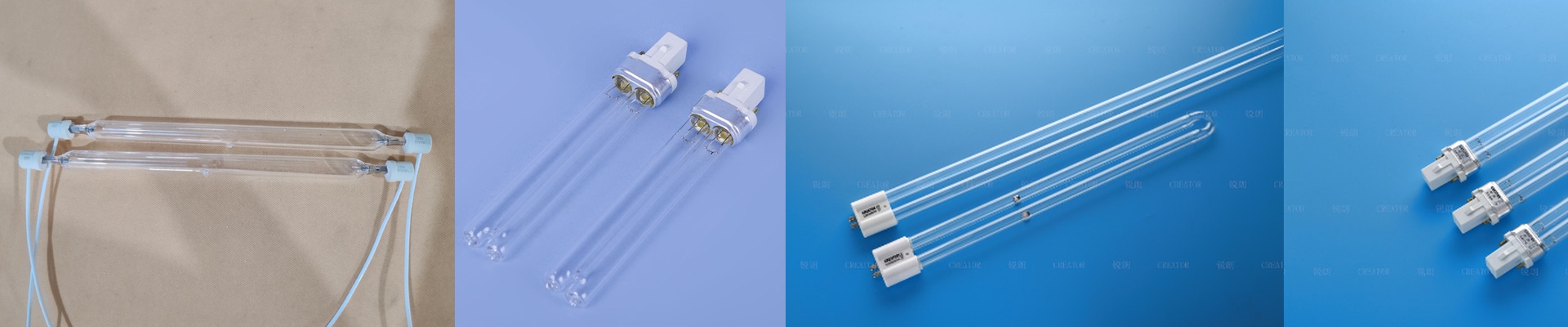
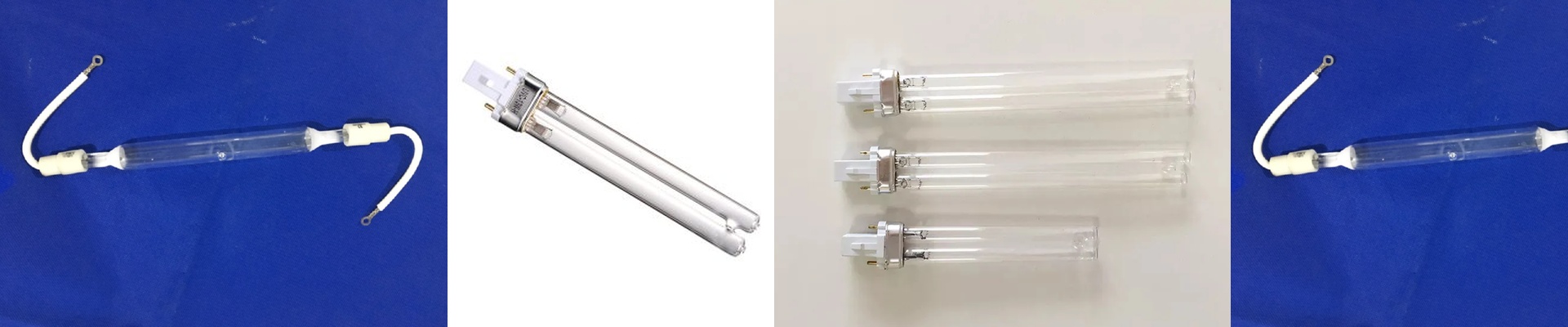
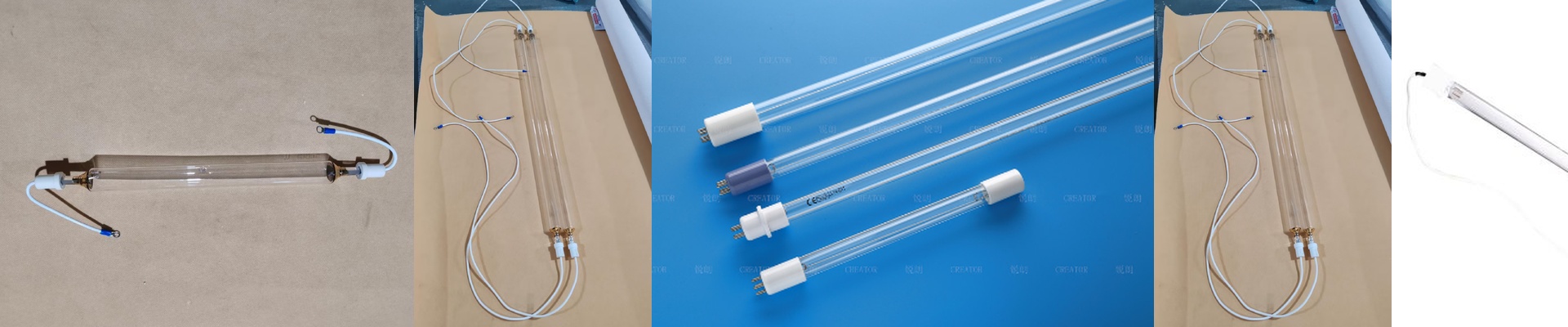
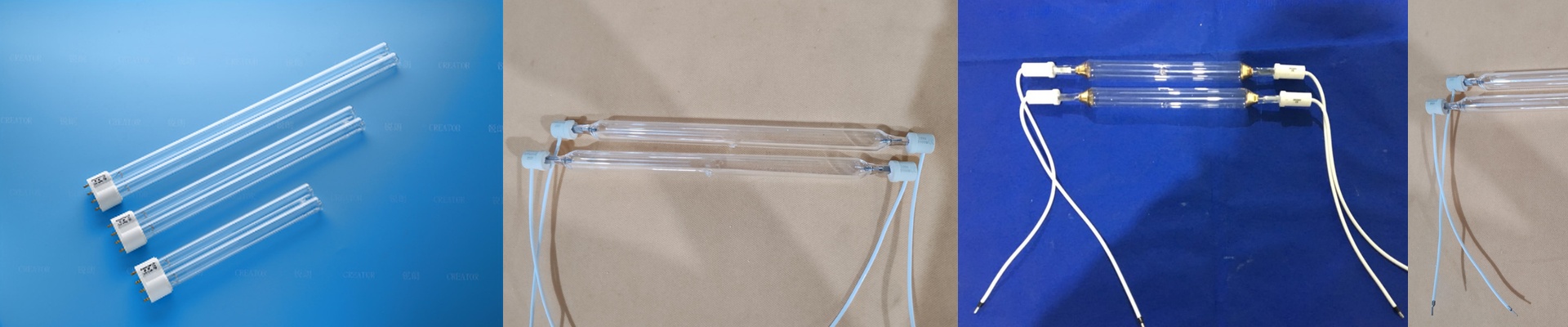
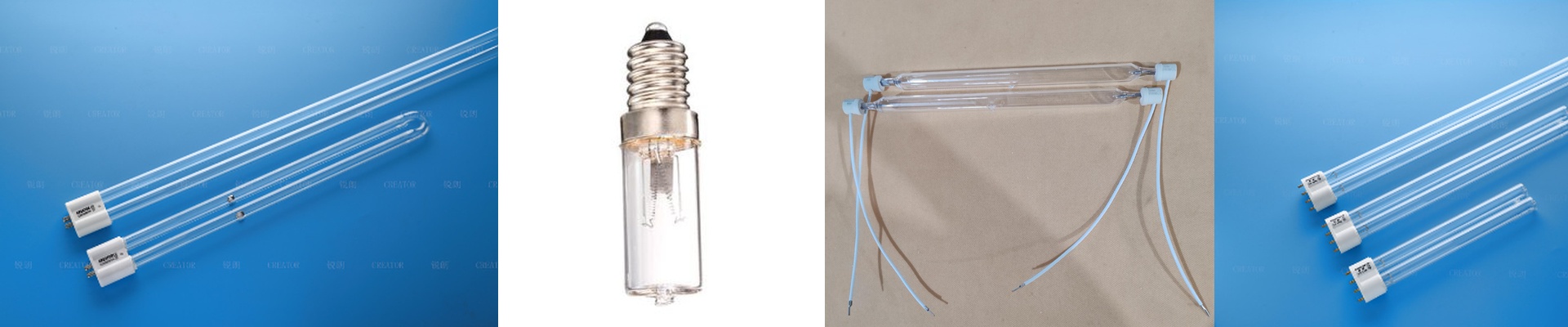
If you’ve ever dealt with “bleeding” on your circuit traces, you know how frustrating it is. You’re aiming for those razor-thin, high-resolution lines, but the edges just blur. That’s usually where standard mercury lamps let you down. That’s why we use Gallium Iodide (GaI). Instead of a broad spray of light, these lamps hit a very specific UV peak. It’s like using a laser instead of a flashlight—it targets the exact absorption bands your masks need. The balance of speed and heat You get a concentrated burst of energy, which means your exposure times drop. It’s great for the clock, but here’s the catch: you can’t just crank the wattage to the max to save a few seconds. If you push it too hard, you’ll cook the substrate. You’ll see the PCB warp, and suddenly your efficiency gains are gone. It’s all about finding that sweet spot between your line speed and the lamp’s power. The gear under the hood We don’t use cheap glass here. We use high-purity fused silica for the quartz envelope. Why? Because standard glass actually eats the shortwave UV before it even reaches your board. This setup lets the light fly straight through. We also tweaked the electrodes to stop “sputtering.” In plain English: the tube stays clear for longer, so you aren’t replacing them every five minutes. But keep an eye on your cooling. These things run hot to keep the plasma stable. Make sure your fans or chilled air manifolds are actually up to the task. If your cooling dips, the quartz clouds over, your intensity tanks, and your quality goes with it. No one likes waiting for parts The best part? These are basically drop-in replacements. They fit right into most standard exposure frames without a headache. We know how it goes on the shop floor. A lamp pops mid-shift, and suddenly the whole line is dead. You can’t wait three weeks for a shipment while your deadlines loom. We keep these in stock and ship them fast. You swap the tube, flip the switch, and get back to work without having to spend all day re-calibrating your entire process.