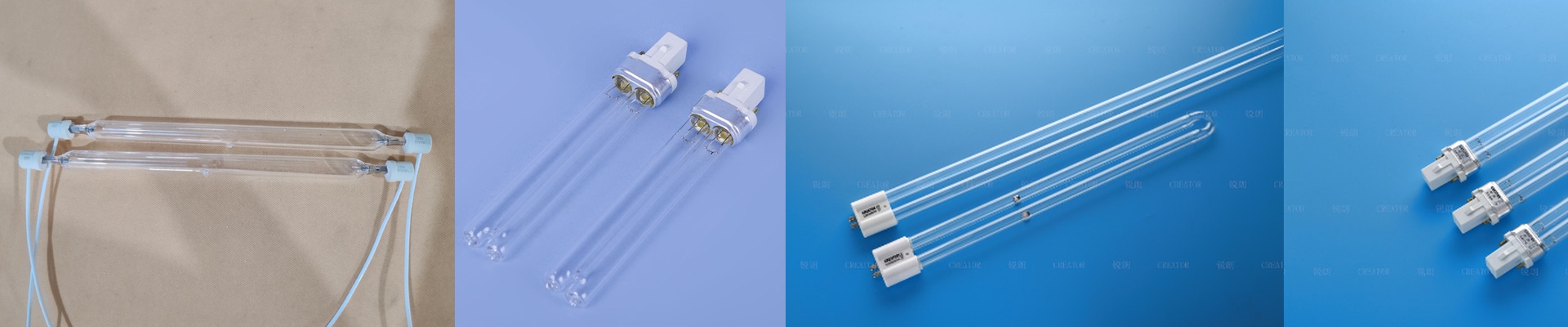
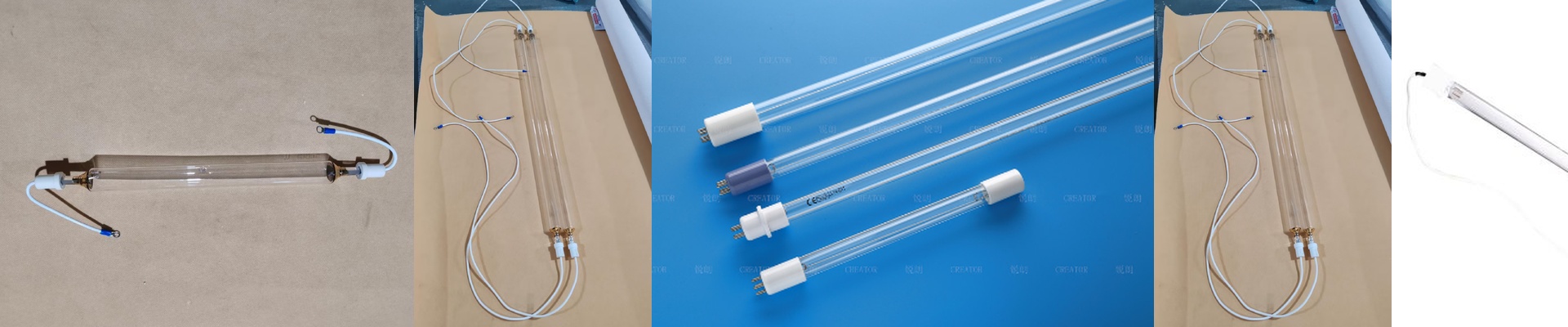
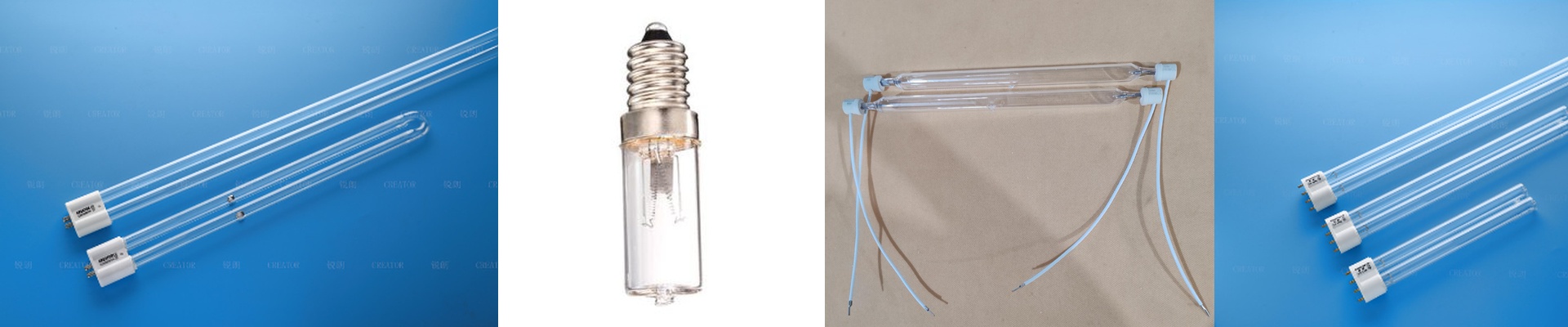
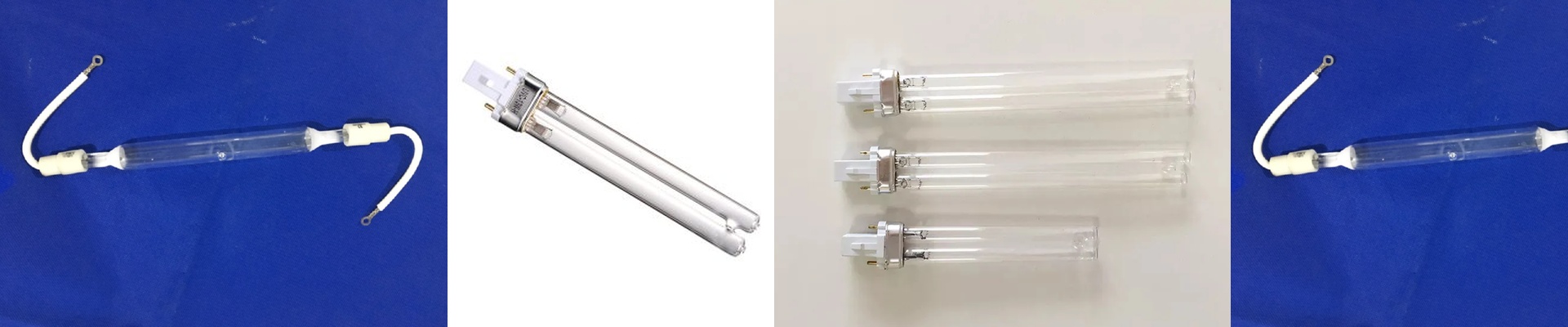
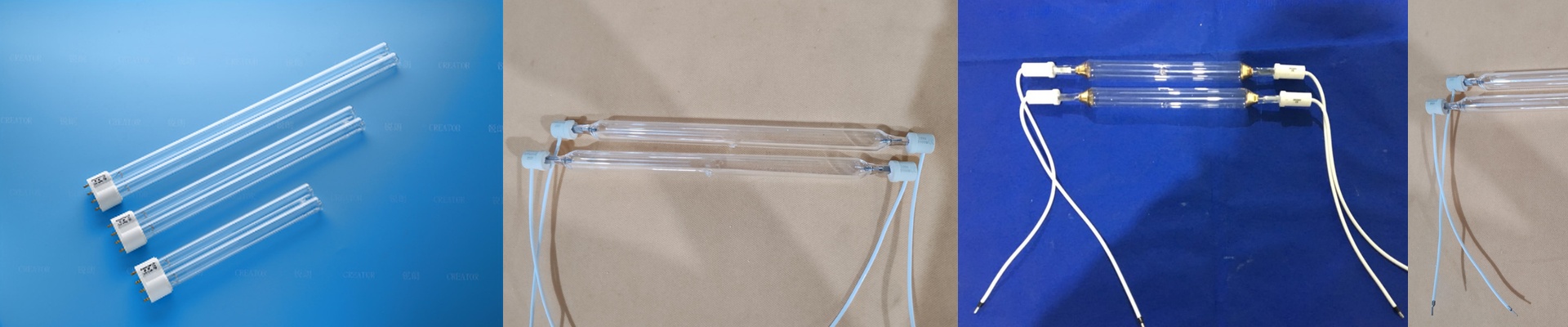
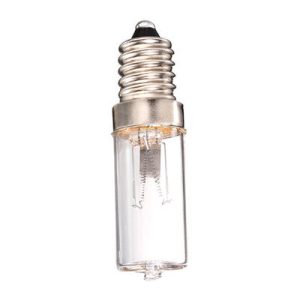
Voltage swings on the plant floor aren’t a theory—they’re a fact of life, and they chew up lamp life and knock UV output off its game. When line voltage jumps around, a gallium iodide lamp can mis-strike, run hot, or drift in spectral output. That drift shows up as an inconsistent cure right across the substrate. We built the Ignitor for gallium iodide lamps around a closed-loop electrical compensation approach, so ignition and operating parameters stay repeatable even when the supply is noisy and the environment is rough.
What matters under the hood
This ignitor is built for gallium iodide lamp physics: controlled high-voltage pulses for a clean start, then stable arc maintenance across a wide operating window. The compensation circuit tracks supply variation and adjusts on the fly, so the lamp sees a consistent electrical profile. The payoff is repeatable peak irradiance in the target wavelength band, predictable energy density (mJ/cm²) at the substrate plane, and steady photoinitiator activation. Curing isn’t just about power—it’s about keeping the same spectral output job after job, shift after shift.
Why this works in production
In real-world UV curing—offset, flexo, or screen—voltage disturbances can push the lamp outside its intended operating point. That’s when you get cure variability, adhesion problems, and lamps that need replacing too often. The ignitor’s compensation keeps the lamp inside its specified envelope, protecting filaments and electrodes while cutting output drift. You get fewer aborted starts, more consistent cure windows, and longer lamp life under messy supply conditions. And with the right lamp and reflector setup, it supports ozone-free operation.
The fine points that save headaches
Installation has to match lamp wattage, arc length, and the connector interface. Mismatched leads or undersized wiring will kill the compensation response. This ignitor is for gallium iodide lamps—don’t swap it in for a mercury vapor lamp ignitor solution. And performance still depends on the basics: confirm reflector alignment and keep it clean. Stable ignition can’t make up for poor optical coupling.