Getting Your Thick Inks to Actually Dry: The Truth About Gallium Iodide
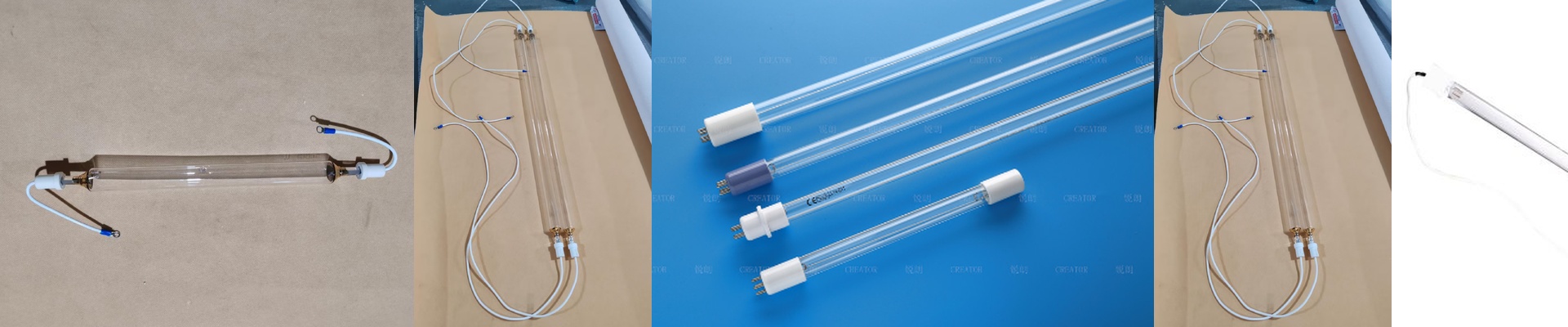
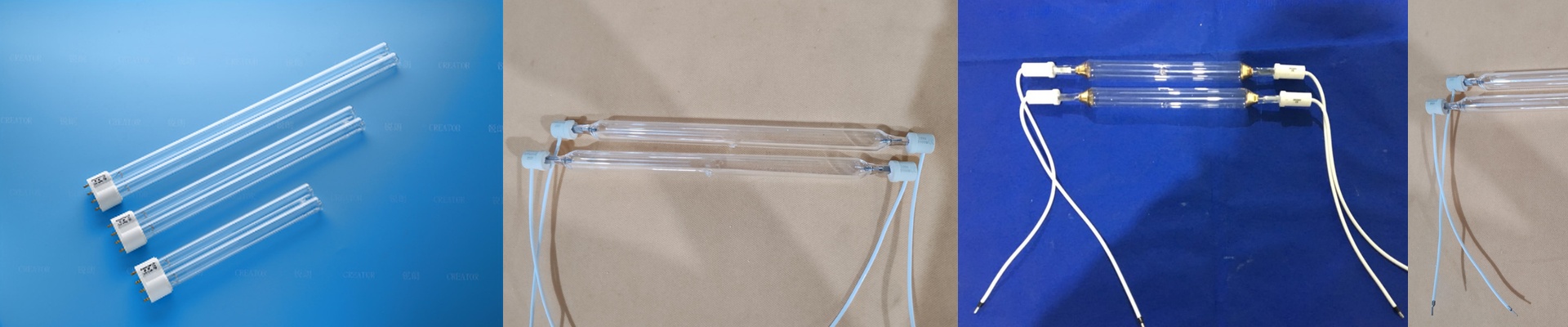
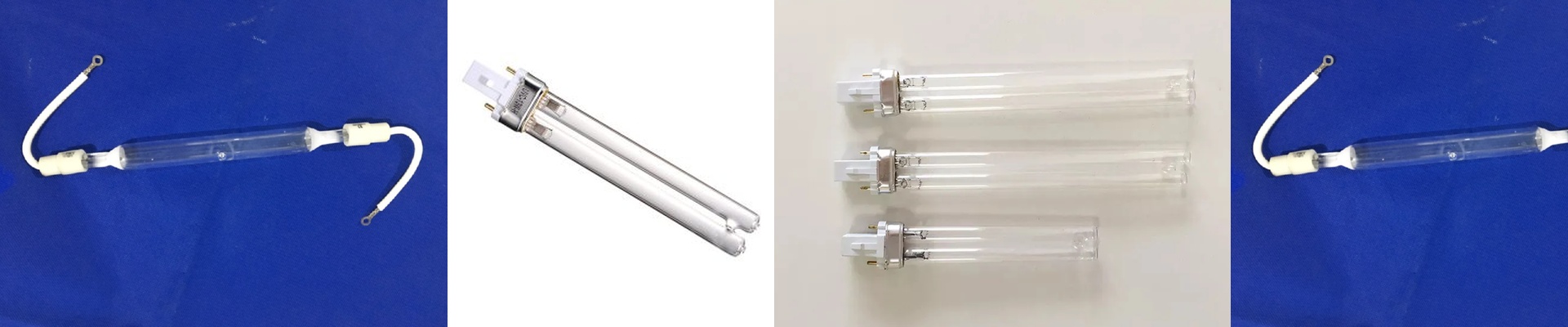
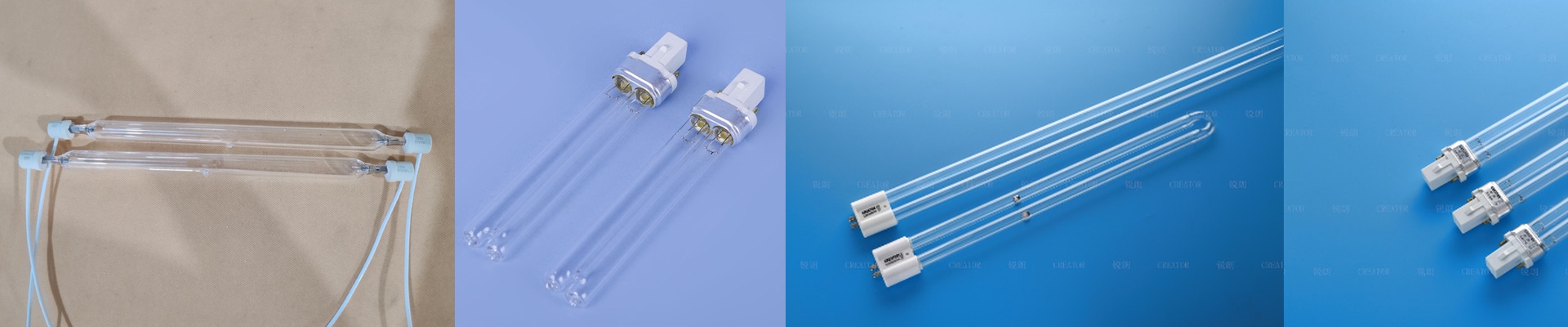
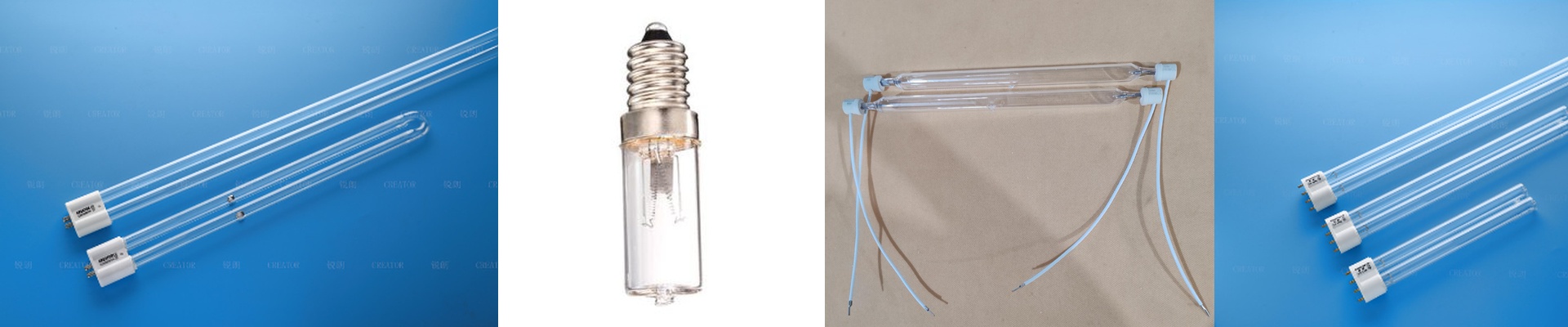
Ever deal with that annoying “skin-over” problem? You know the one—the top of the ink looks bone-dry, but as soon as you touch it or peel it, the bottom is still tacky. It’s a nightmare. It leads to peeling, bubbling, and a lot of wasted material. That happens because standard mercury lamps (the ones hitting 254nm and 365nm) just can’t punch through thick films or heavy pigments. They hit the surface and stop. That’s where our Gallium Iodide (GaI) lamps come in. Instead of sticking to those shorter wavelengths, GaI shifts things toward the 400nm to 450nm range. Think of it as a deeper reach. It doesn’t just dry the surface; it pushes all the way through to the base. You get a real “through-cure,” which means your ink actually sticks to the material like it’s supposed to. Dealing with the heat Here is the catch: these tubes get hot. Really hot. If you crank up the wattage to speed up your production line, you’ve got to be smart about cooling. If you don’t have the right fans or water-jackets in place, you’ll end up warping your substrate or seeing bubbles in your ink. Nobody wants that. To help with this, we use high-purity quartz glass to keep the UV moving and provide specific mounting offsets. It keeps the heat where it belongs and away from your product. Plus, we can tweak the footprint so it actually fits your current press or conveyor without you having to rebuild your entire shop. Keeping things running We’ve made these modules easy to swap. Standard connectors, simple wiring—basically, you can drop them in and get back to work. But let’s be honest: these lamps aren’t magic. They don’t last forever. Over time, the intensity dips. The best way to handle this is to stop guessing. Grab a meter and check your mW/cm² output once a month. When you see that number sliding, swap the tube. It’s a lot cheaper to replace a bulb on a Tuesday than it is to realize on a Friday that an entire production run is uncured and headed for the trash.