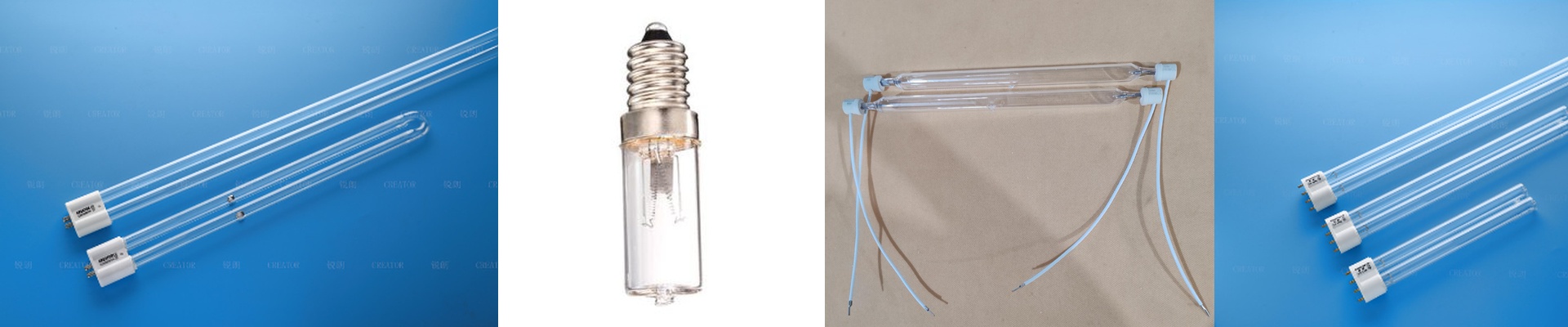
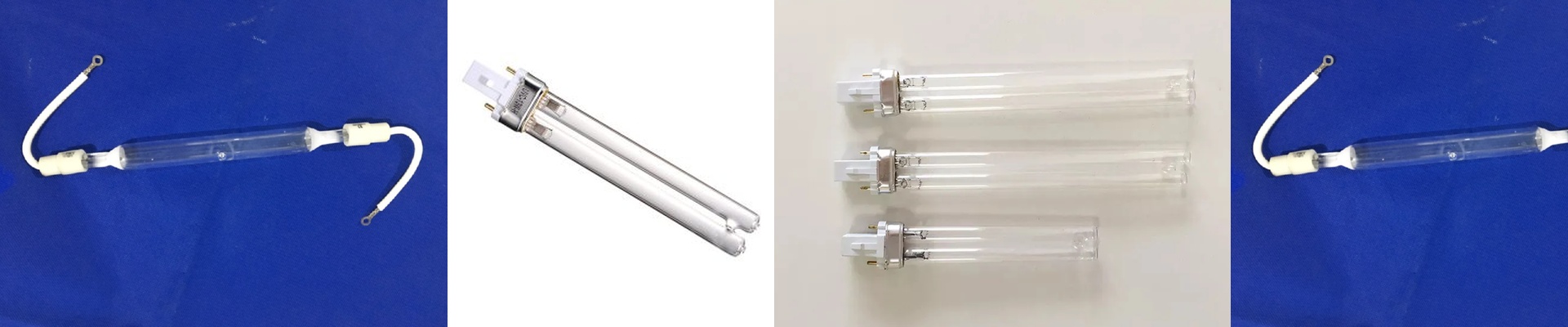
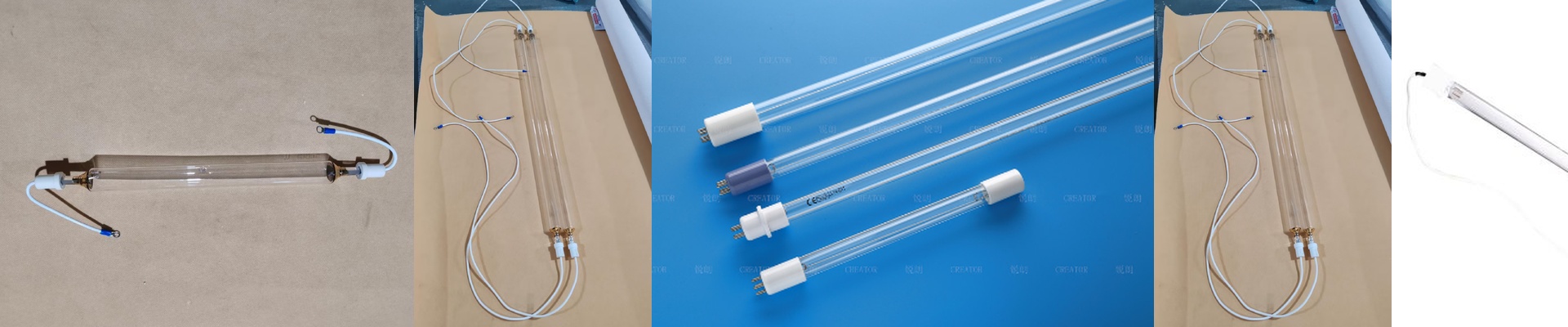
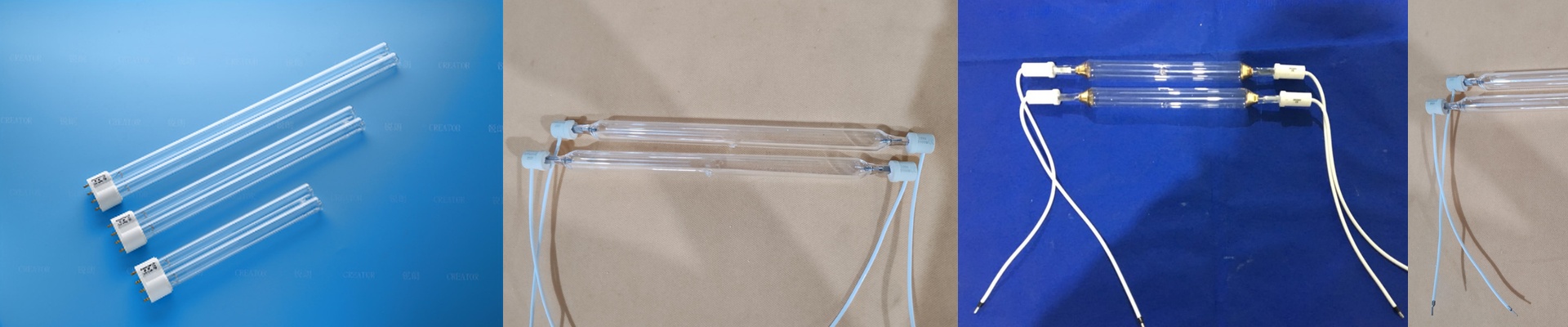
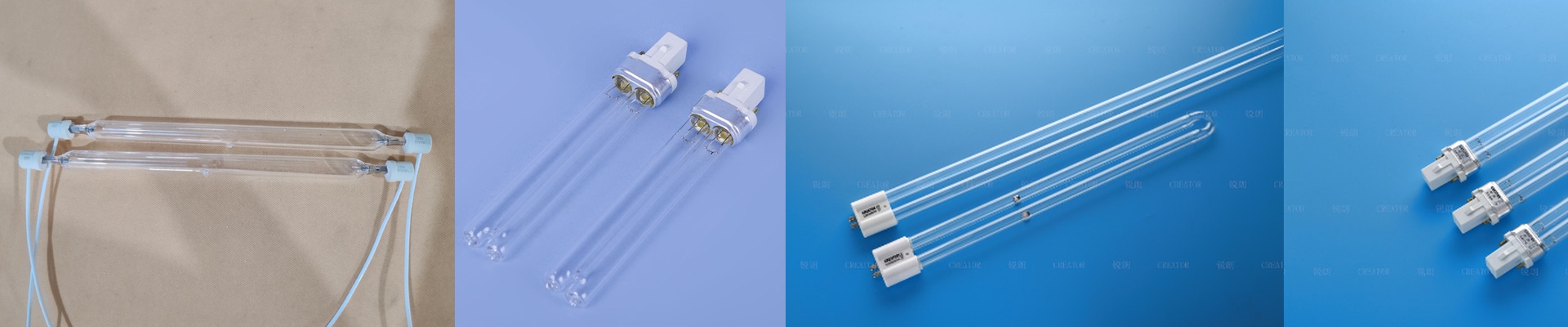
How We Actually Build Our UV Germicidal Lamps
Here is the deal with UV-C lamps: they work by hitting microbial DNA with shortwave radiation (usually at 253.7 nm) to shut them down. It sounds like science fiction, but for us, it’s all about the balance. We have to make sure the output is strong enough to work, but precise enough to stay safe.
Picking the Right Quartz
It all starts with the glass—the quartz envelope. We use high-transmittance synthetic quartz because if you use the wrong stuff, the glass just absorbs the 254 nm wavelength, and you’re wasting power. Now, you have a choice here. If you want ozone production, we use a specific “ozone-generating” quartz that lets 185 nm waves slide right through. But be careful. Ozone is a heavy-duty oxidant. If you go this route, you’ll need to double-check your HVAC and airflow so the gas doesn’t just sit there. For everything else, we use “ozone-free” doped quartz. It blocks those shorter waves and keeps things simple.
Heat and Power
Most of our tubes run on standard ballast voltages, but the wattage is what really matters for your “kill rate.” Higher wattage means faster disinfection. But there’s a catch:it gets hot. If you cram the lamp into a housing that’s too tight, you’re asking for trouble. The heat builds up and fries the electrodes way too early. To avoid that, we always suggest leaving at least a 5mm gap around the tube. Just give the lamp some room to breathe.
Cutting Costs Without Cutting Corners
We do things a bit differently to keep prices down. Instead of buying parts from five different vendors, we handle the quartz drawing, the phosphor coating, and the electrode welding all under one roof. By owning the whole process, we get rid of the middleman markups. You get the same high-quality mercury fill and gas mix as the “big name” brands, but without the premium tax. It’s a simple drop-in replacement that hits the microwatts you need. Just make sure you match your ballast correctly. That’s the secret to making sure your lamps don’t flicker or give up the ghost in the first 500 hours.