Getting Your UV Sterilization Systems Out the Door Faster
Look, the science of UV-C sterilization is pretty straightforward: you hit microbial DNA with the right wavelength, and it stops working. But if you’re trying to scale a product for e-commerce or a big industrial rollout, the physics isn’t what keeps you up at night. It’s the supply chain. That’s why we build our lamps to be drop-in replacements. You shouldn’t have to tear apart and redesign your entire chassis every time you decide to grow. That’s just a waste of time.
The Nitty-Gritty on Output
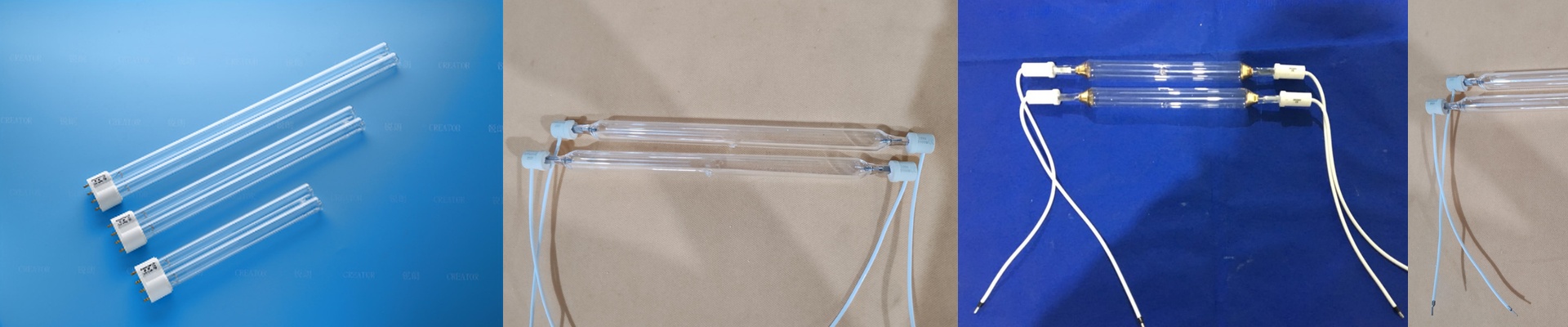
We stick to the 254nm peak because that’s where you get the best kill rates. Simple as that. Depending on your setup, you can pick from different wattages and lengths. If you’re running a fast conveyor belt, you’ll want the high-wattage tubes to keep up with the speed. Just a heads-up: those high-power lamps put a lot more stress on your ballasts. Make sure your power supply can handle that initial strike voltage, or you’ll be spending your afternoon resetting tripped breakers.
Making Integration Easy
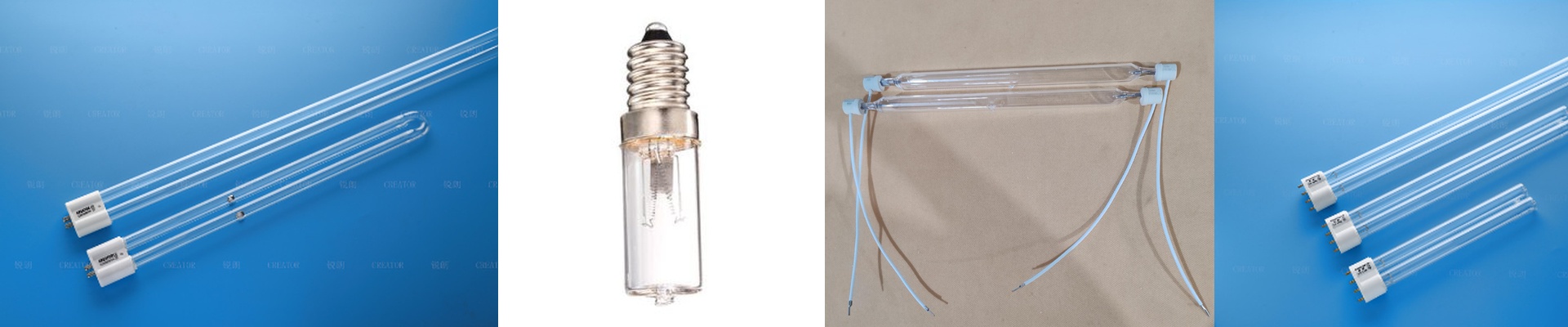
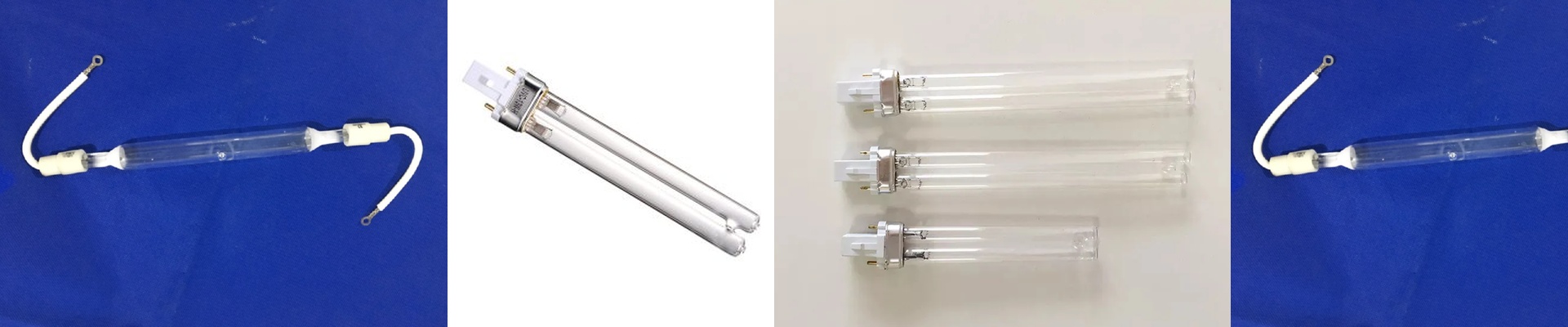
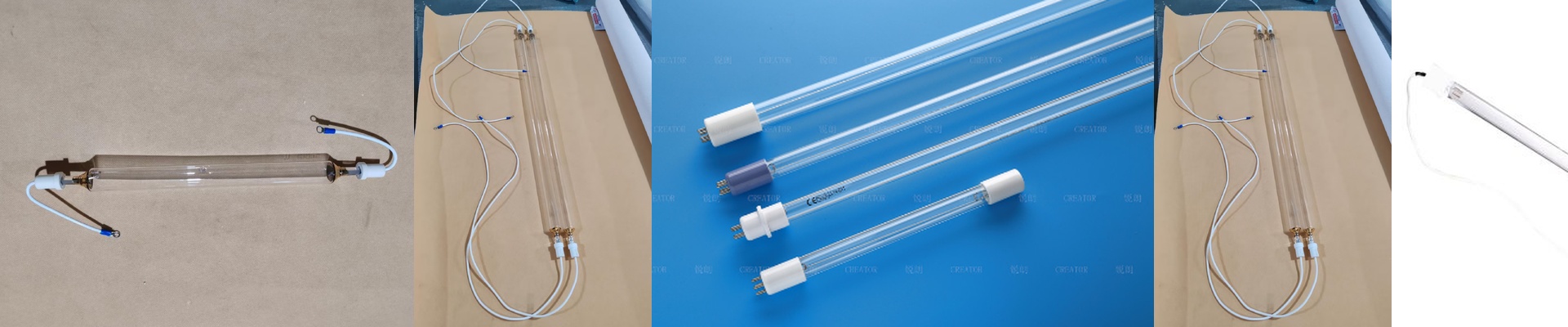
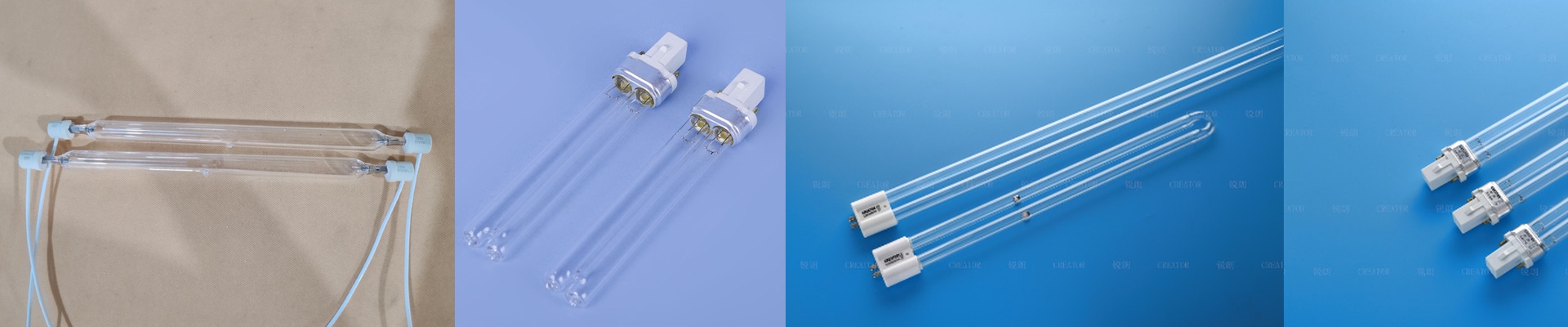
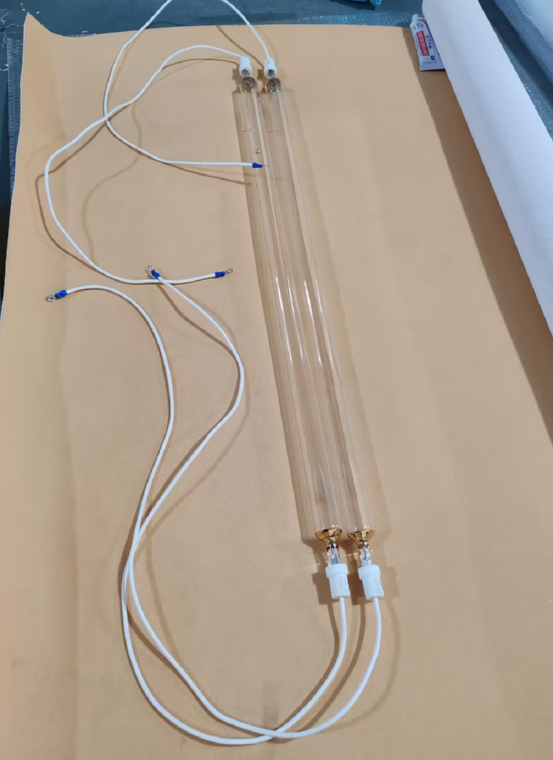
Wiring shouldn’t be a headache. We use standardized connectors so you can get the system up and running without a fight. Whether you need a weird pin configuration or a specific lead length, we usually have it sitting on the shelf. It beats waiting weeks for “custom-engineered” lighting that costs twice as much. We also use high-purity quartz glass. Cheap glass absorbs the UV light, which kills your efficiency. Our stuff lets the light pass right through, exactly how it should.
Dealing with the Logistics
When people talk about “flexible supply chains,” it usually sounds like corporate speak. To us, it just means having actual buffers of inventory. We keep our best-selling models in stock. That way, if your demand suddenly spikes, you can pivot your production without your assembly line sitting idle while you wait for a shipment. One last thing: remember that high-intensity lamps gethot. If you cram these tubes into a tight box without any breathing room, the temperature will climb and your UV output will tank. Give them some air or use a heat sink. Keep them cool, and they’ll do their job.