The Secret Sauce in Your Clothes: UV Lamps
You’ll never see them once you’re wearing your favorite shirt, but UV lamps are doing a lot of the heavy lifting behind the scenes in textile factories. Basically, we use these systems to trigger a chemical reaction called photopolymerization. In plain English? The UV light hits a catalyst and makes inks or coatings harden almost instantly.
How the curing actually works
When we’re printing on fabric, we use UV lamps to flash-dry the pigments. Here’s the cool part: unlike those massive thermal ovens that bake the whole piece of fabric, UV curing only targets the ink. This is a lifesaver because it keeps the fabric from shrinking or getting scorched. Now, if you decide to speed up your production line, you’ve got a choice. You can either bump up the wattage or move the lamp closer to the fabric to keep that “dose” of light consistent. It’s all about balance.
Real-world gear for the shop floor
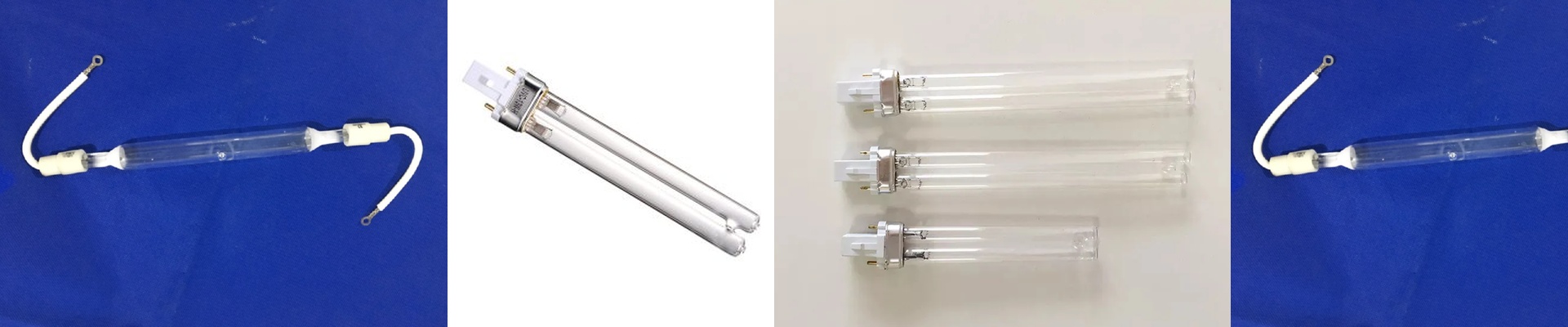
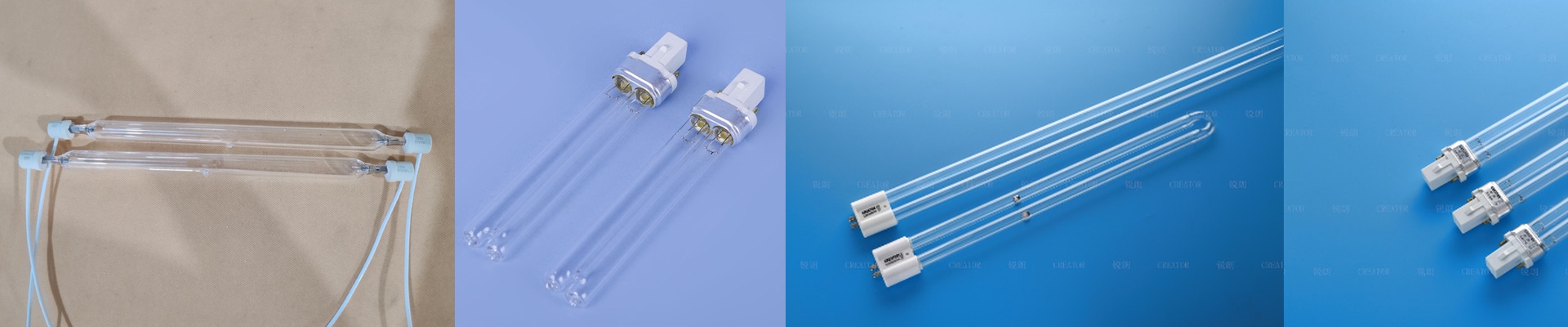
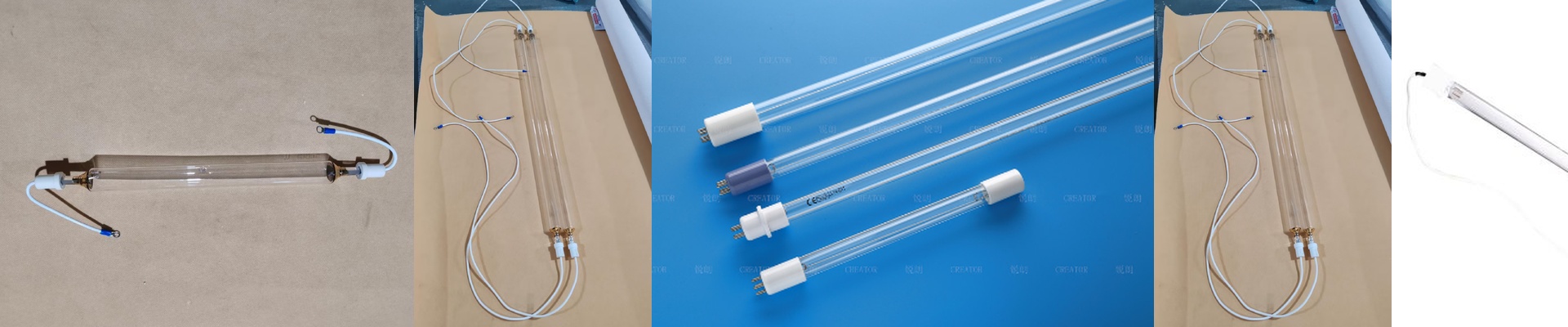
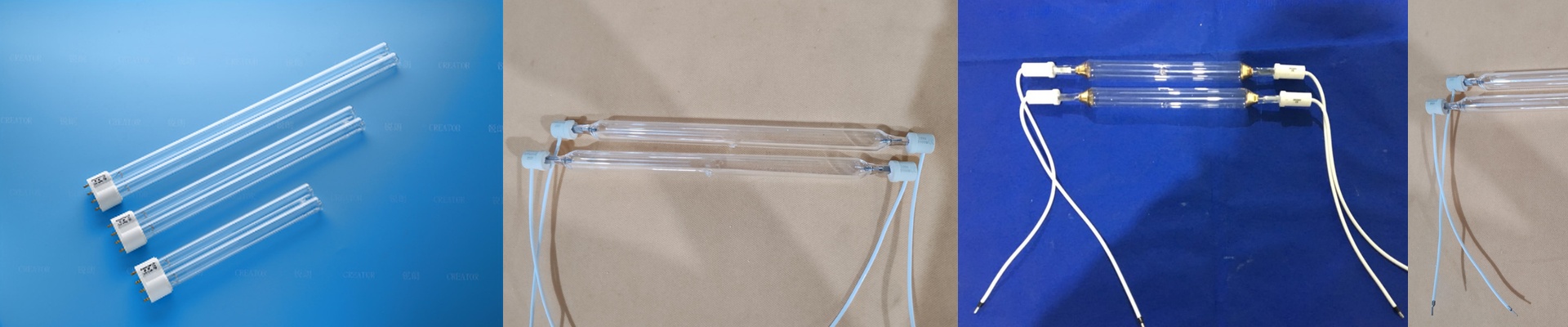
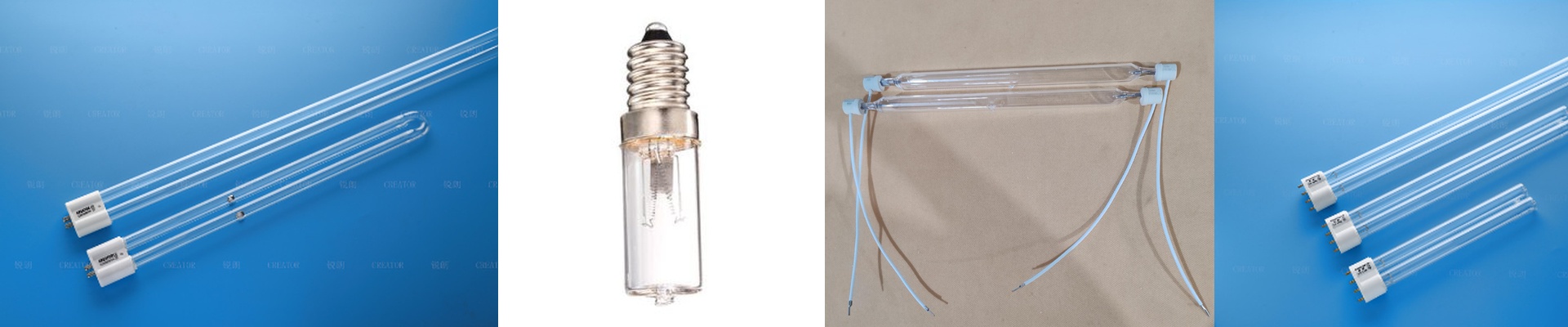
Most of the time, we’re looking at two options: high-pressure mercury vapor or LED arrays. Mercury lamps are great because they provide a broad spectrum that cures deep into the material. But man, they get hot. You absolutely need a solid cooling system, otherwise, that heat is going to bleed right into your fabric. Then you have LEDs. They’re snappier—no warm-up time and a tighter wavelength. The only catch? They take up more space because the heat sinks needed for the diodes are pretty chunky.
The trade-offs you need to know
Getting these wired into a line can be a bit finicky. You have to get the ballast matching exactly right. If the voltage is off, you’re just burning through your lamps for no reason. I see engineers try to crank the wattage all the time because they want more speed. But there’s a price. You’re essentially trading the lifespan of your lamp for a faster line. At the end of the day, whether it’s a specialty coating on a synthetic blend or a digital print on a cotton tee, the lamp is the engine. If you mess up the wavelength or the intensity, you’ll end up with prints that feel “tacky” or, even worse, rub off the moment they hit a shipping box.