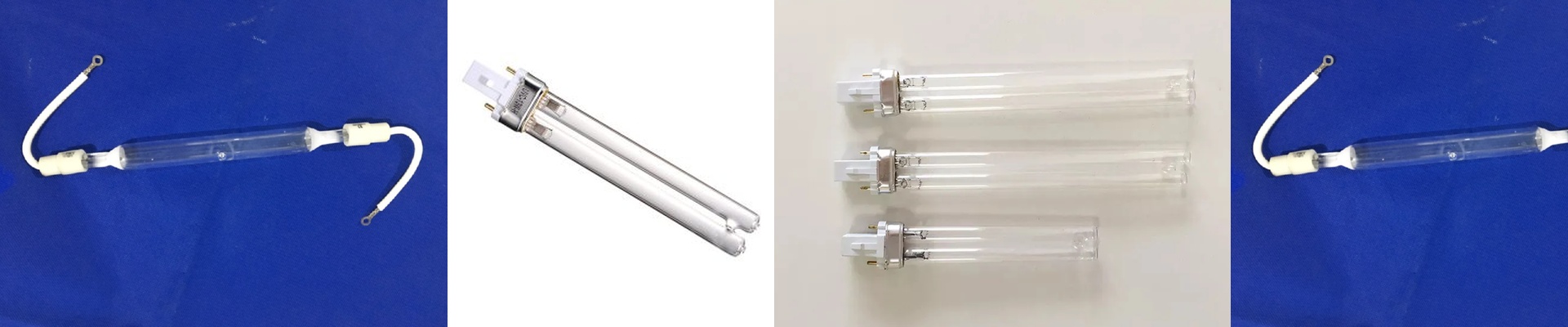
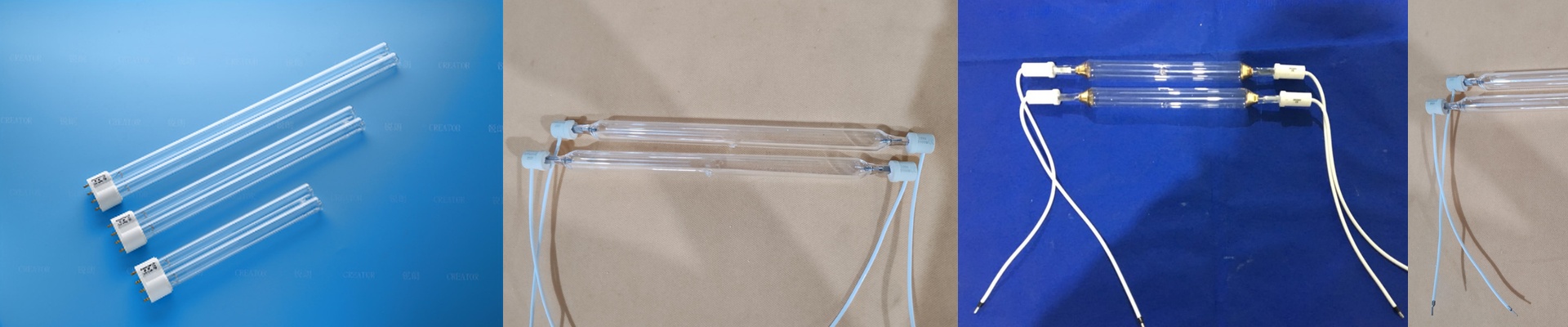
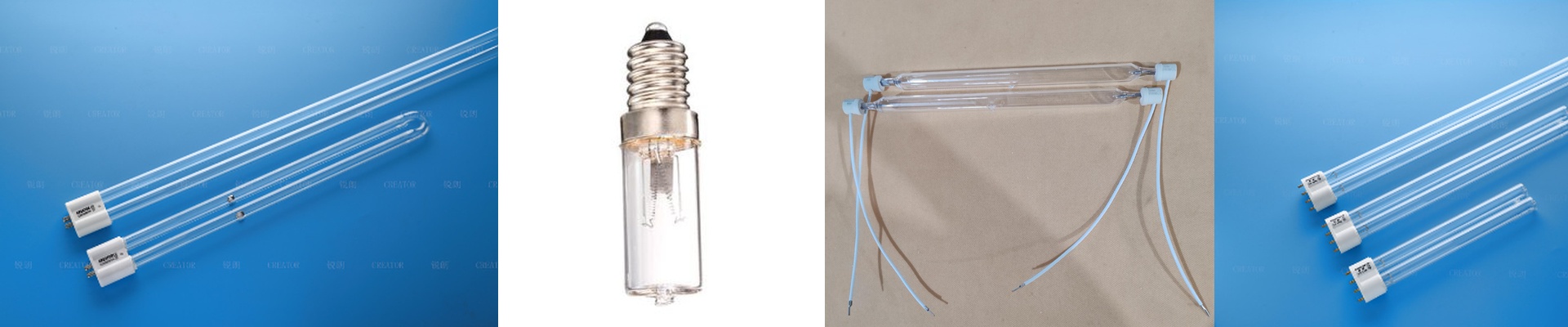
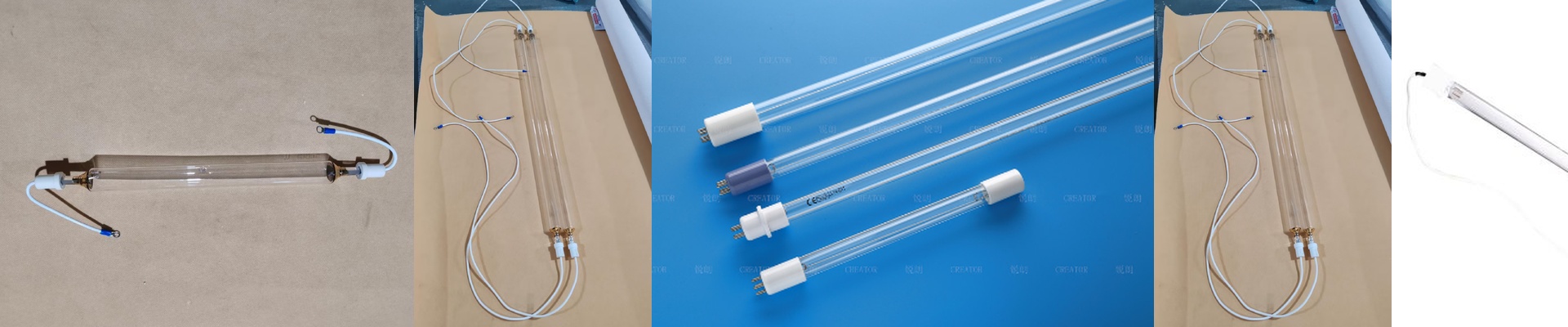
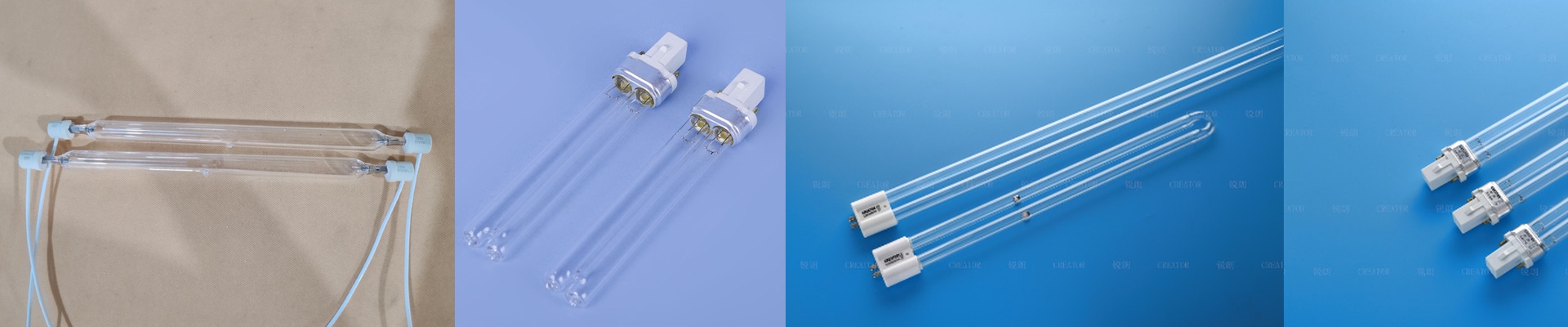
Getting Your UV Curing Right
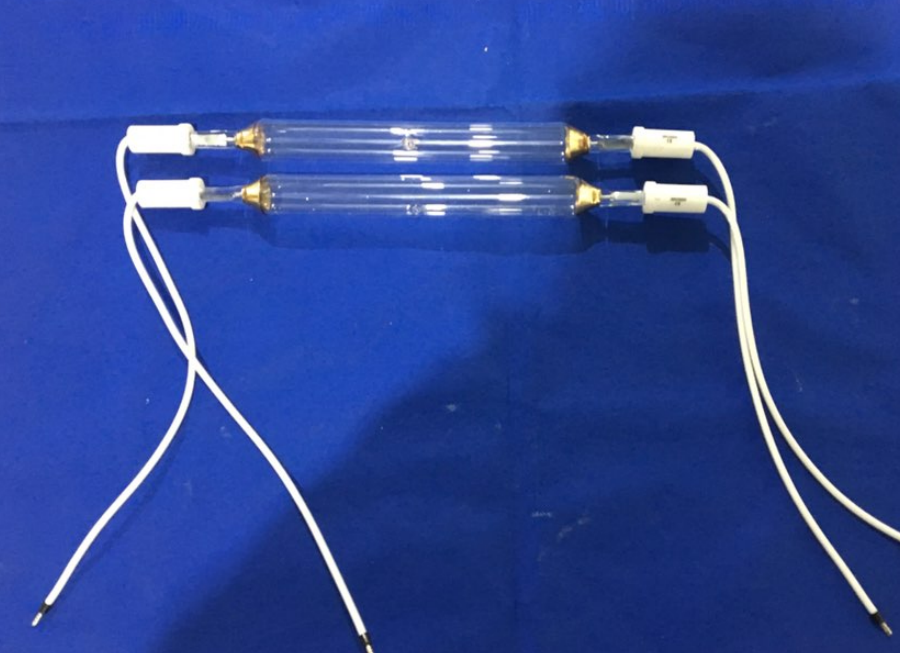
Think of UV lamps in industrial printing as more than just bulbs. They’re basically the “on” switch for your ink. We build these things to hit a very specific energy sweet spot that tells the ink and coatings to harden instantly. If you’re off by even a little bit on the wavelength or intensity? You end up with that sticky, tacky feel on the surface or—even worse—ink that doesn’t actually bond to the material. That’s how you end up tossing an entire production run in the trash. Power, Speed, and the “Sweet Spot” When we’re talking wholesale UV setups, it all comes down to the balance between wattage and how long the tube is. If you pump up the wattage, you get more irradiance. In plain English: you can crank up the speed of your conveyor belt and still get a perfect cure. We use specific mercury vapor mixes to hit those 365nm to 405nm peaks. Why? Because that’s the magic range that lets the light soak deep into the ink, locking it onto the substrate for good. The Heat Struggle We use high-purity fused quartz for the envelopes because it lets the UV light fly right through without getting trapped. But here’s the catch. When we squeeze more power into a shorter tube to get that extra intensity, things get hot. Fast. You’ve got to get your cooling fans or water-jackets right. If the tube overheats, the quartz can stress out or the lamp life just plummets. It’s a trade-off you have to manage. Keeping Things Running The good news is these are designed to be simple drop-in replacements for your existing arrays. We spend a lot of time making sure the electrode contact is rock solid. Nobody wants a flickering lamp or a tube that burns out at the ends after a week. One last thing: keep an eye on your hours. Even if the lamp still looks bright and glows, the mercury degrades and the quartz clouds over time. The actual output drops. I always suggest swapping them out before you hit the rated limit. It’s a lot cheaper to replace a bulb than it is to deal with inconsistent prints across a thousand batches.