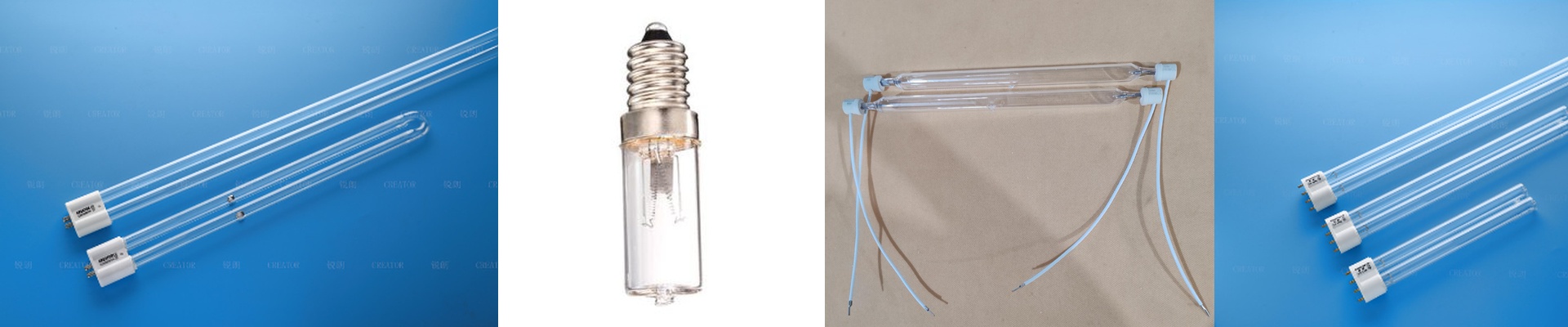
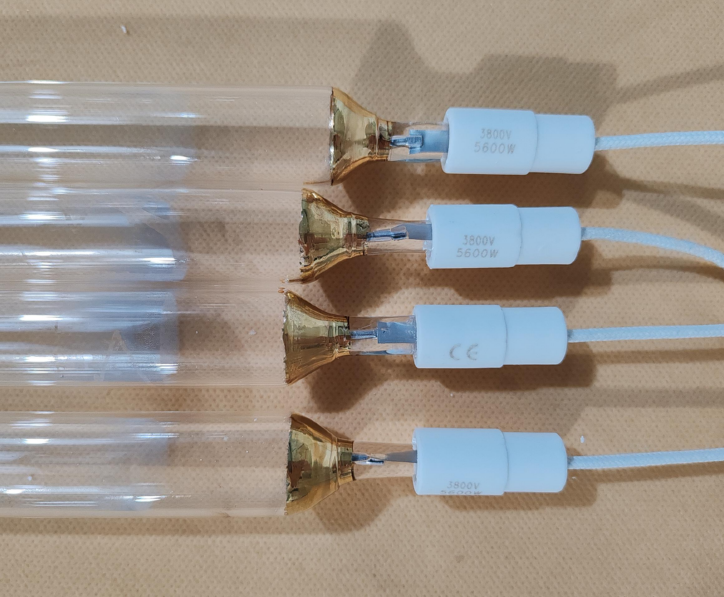
The Real Cost of Scaling Your UV Output
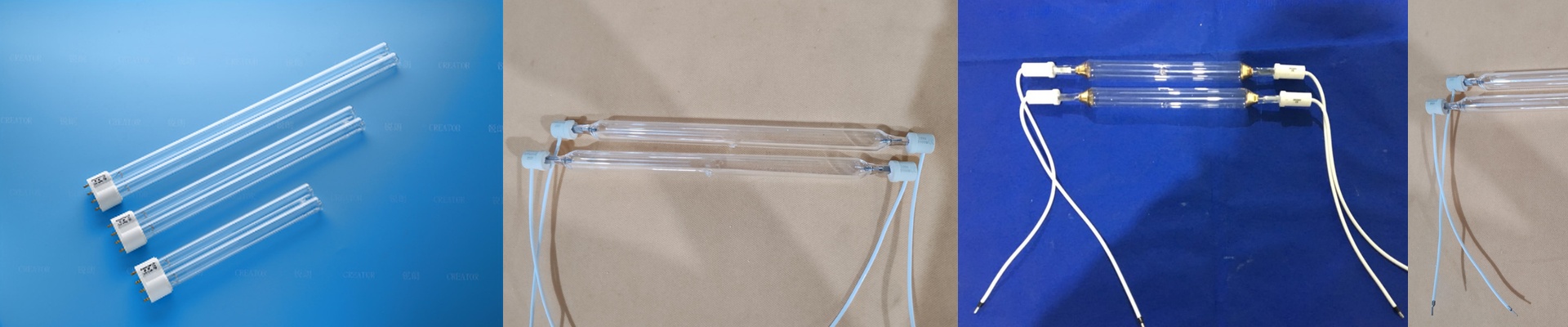
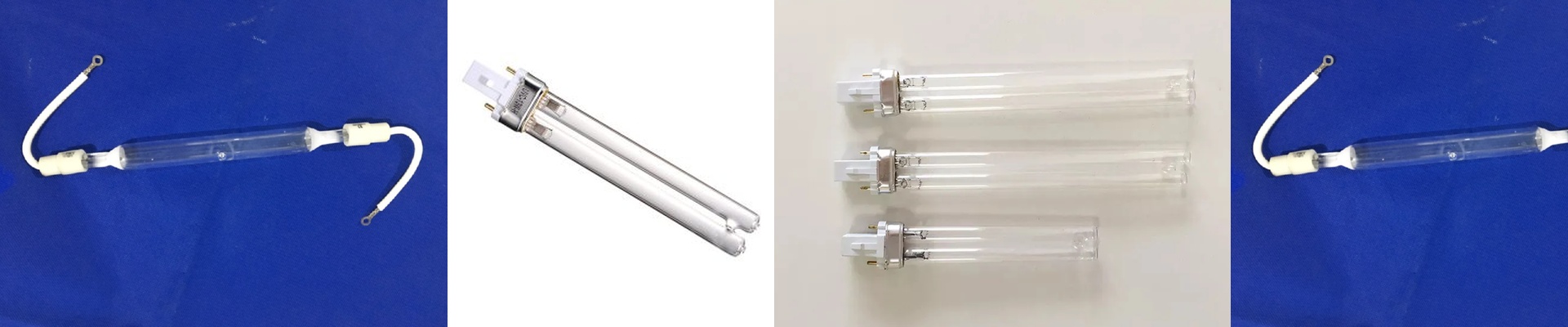
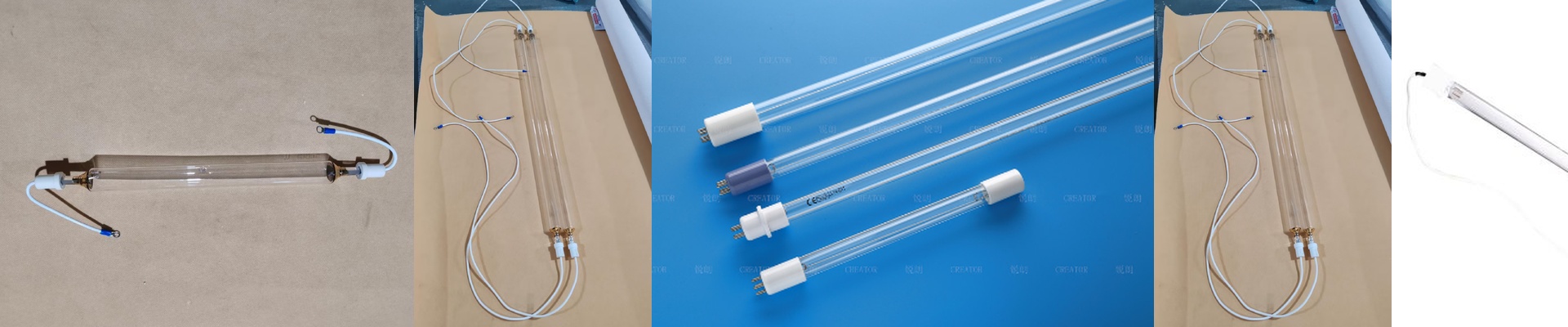
When you’re buying mercury UV bulbs in bulk, you aren’t just paying for some glass and gas. You’re paying for the precision of the quartz and the stability of the mercury inside. Here’s the thing: most people pay a massive premium because of middlemen. We decided to handle the whole production chain ourselves. No markups. No fluff. Just factory-direct pricing.
Power and the “Cold Spot” Problem
Industrial mercury lamps work by using a high-voltage arc to get those mercury atoms moving, which gives you that concentrated 253.7nm peak. But here is where a lot of companies mess up. They have “cold spots”—areas along the tube where the wattage dips. That ruins your curing or sterilization. We make sure the wattage is steady from end to end. One quick tip: make sure your ballast matches the tube’s impedance exactly. If they’re off, the ends of the bulb will burn out way faster than they should. It’s a frustrating waste of money that’s totally avoidable.
Quartz Matters (And Your Fingerprints Don’t)
We only use high-transmittance fused quartz. Why? Because cheap glass blocks UV-C radiation. If you use the low-grade stuff, your throughput tanks. Our tubes are built to survive the chaos of a factory floor. But there’s one thing you have to watch out for:skin oils. If you touch the quartz with your bare hands, those oils create permanent “burn-in” spots once the lamp heats up. It kills the UV intensity. Do yourself a favor—wipe them down with isopropyl alcohol before you pop them in.
Fitting Them In
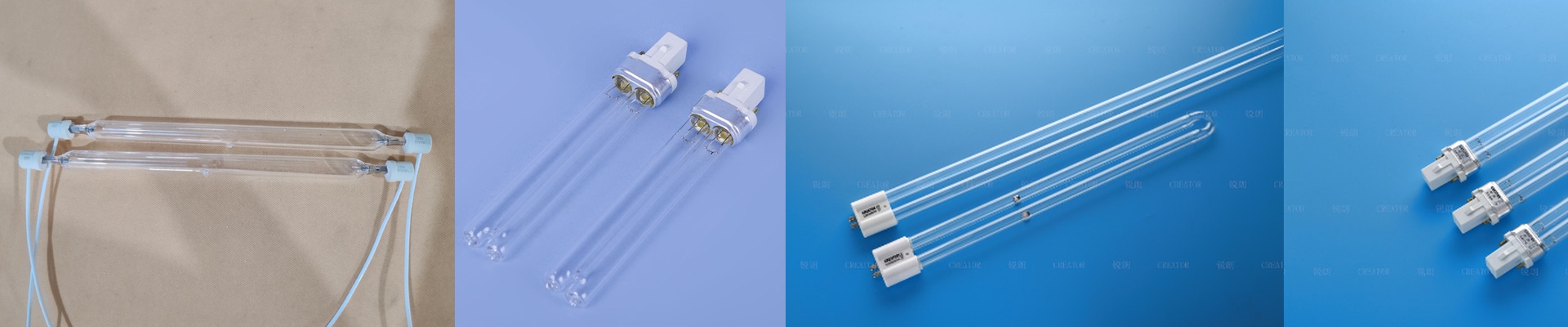
These are designed to be simple drop-in replacements for your standard fixtures. No headaches. We spend a lot of time obsessing over the end-cap seals. If the gas leaks, the lamp dies. Period. By sourcing the raw materials and doing the assembly under one roof, we can keep the costs low without cutting corners on the seals. You get the same punch as the big-name brands, but you aren’t paying for their corporate logo.