Getting Your UV Curing Right
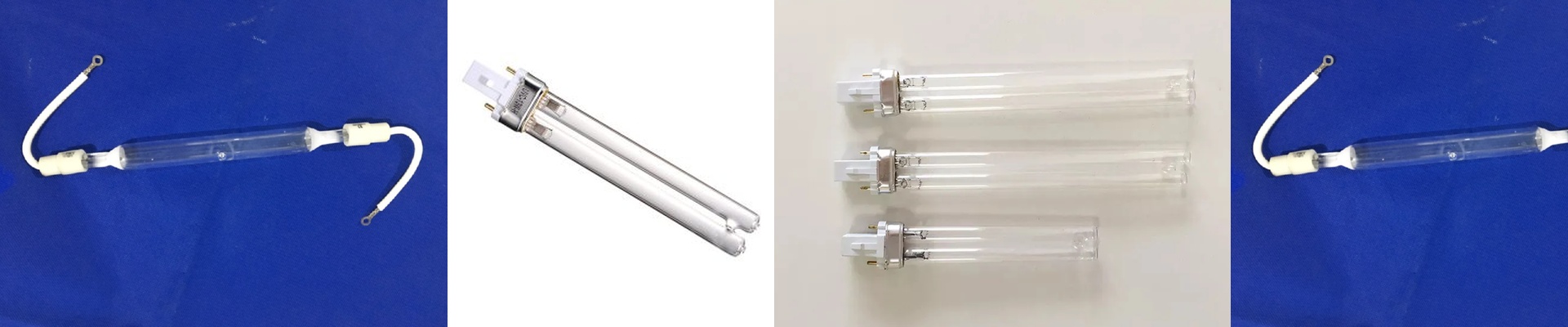
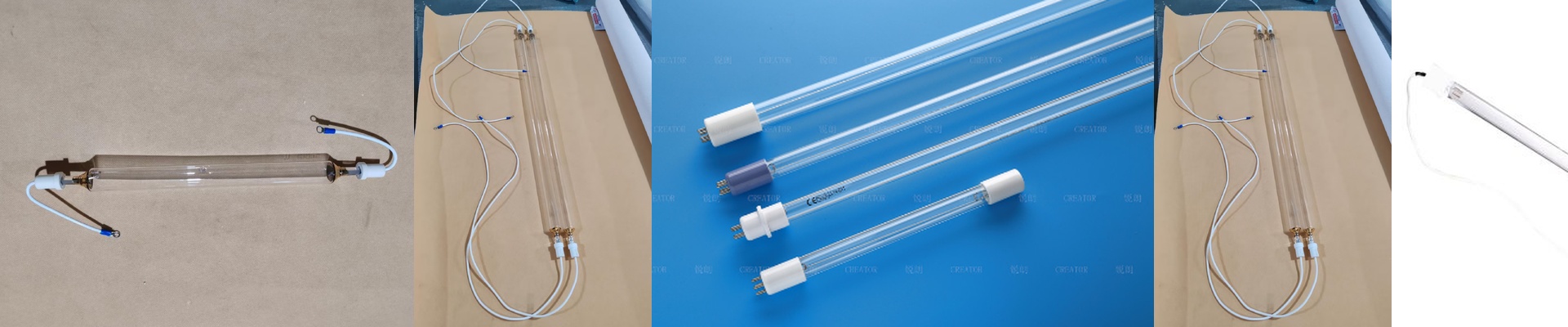
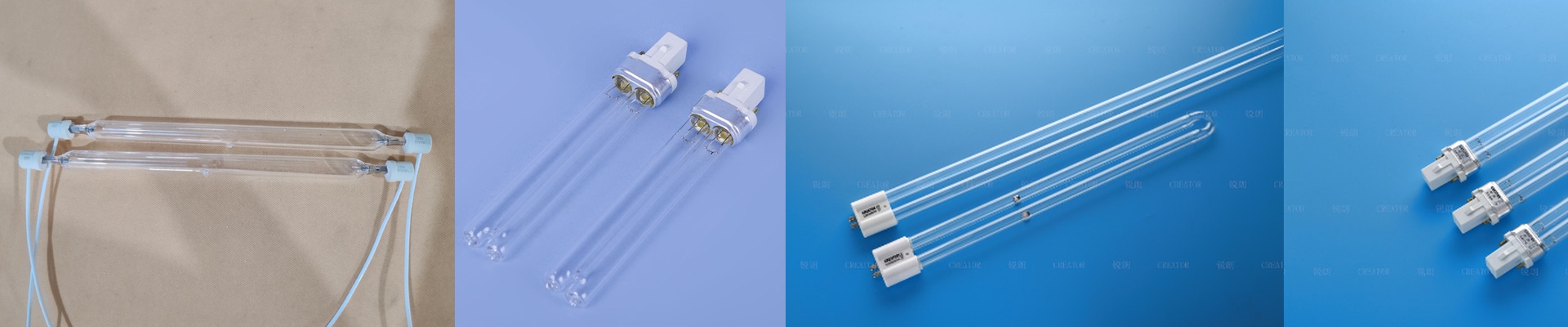
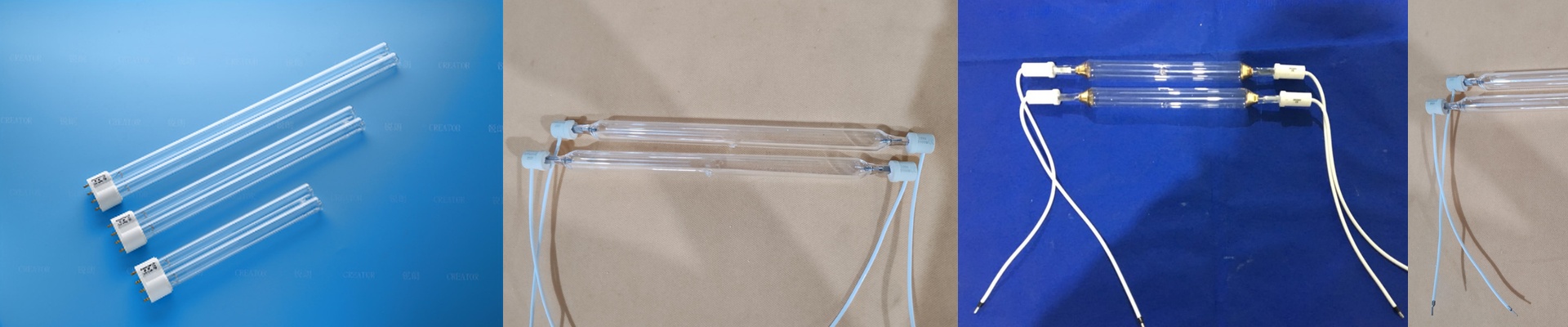
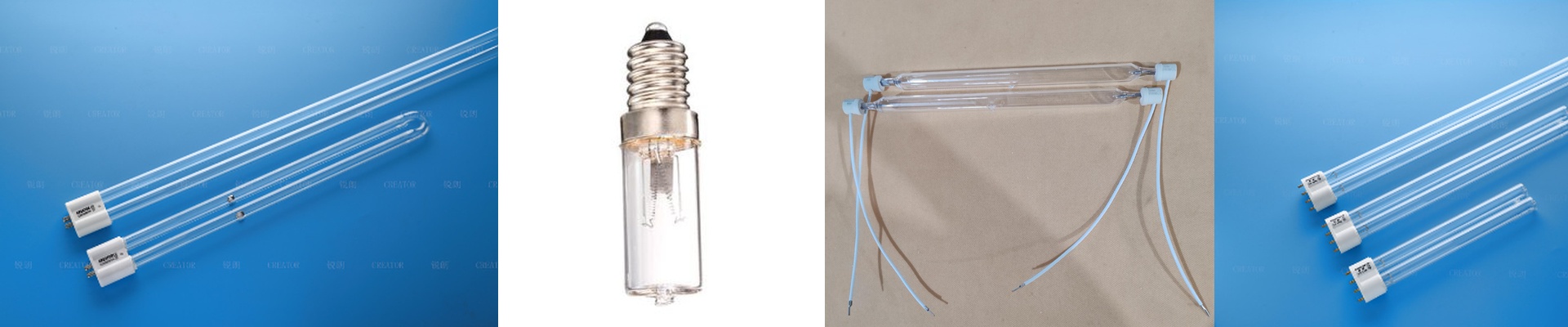
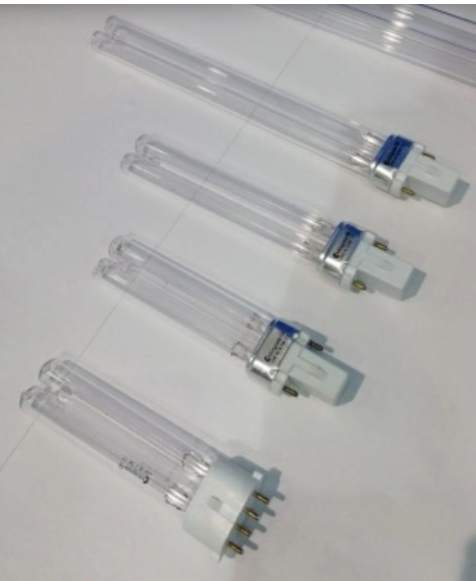
UV lamps aren’t just lights—they’re the spark that turns wet ink into a hard, finished product. In a fast-paced printing shop, you can’t afford to wait around for things to dry. You need it done now so the line keeps moving. That’s exactly why we build our lamps the way we do. The science bit (made simple) Here is the thing about curing: it’s all about the wavelength. We tune our lamps to hit that sweet spot—usually around 365nm—so they play nice with the photoinitiators in your ink. But be careful with the wattage. It’s tempting to crank it up to speed things up, but more power means more heat. If your cooling system or exhaust can’t keep up, you’re going to end up with warped materials. And nobody wants to scrap a whole run because the substrate curled. What goes into the build We use high-purity fused quartz for the tubes. Why? Because cheap glass clouds up when it gets hot, and that kills your output. We also put a lot of work into the electrodes to stop “sputtering.” Basically, it keeps the tube clear for longer, so you aren’t swapping out burnt-out lamps every five minutes. We make these in a bunch of different shapes to fit whatever reflectors you’re already using. Just a heads-up: if you’re dropping these into an old machine, double-check your ballast. If the voltage is off, the lamp might not strike at all, or it’ll just burn out way too fast. Real-world use If you’re running UV offset or flexographic printing, these lamps are your best friend. They turn liquid ink into a solid film in a heartbeat. The best part? You can ditch those massive, clunky drying ovens that take up half the shop. It clears up a ton of floor space. Our lamps are designed to be simple drop-in replacements for most of the big brands. You wire them in, set your speed, and let the light do the heavy lifting. And if you notice the cure looks a bit patchy? Before you panic, just check your lamp height and give your reflectors a good cleaning. Usually, that’s all it takes.