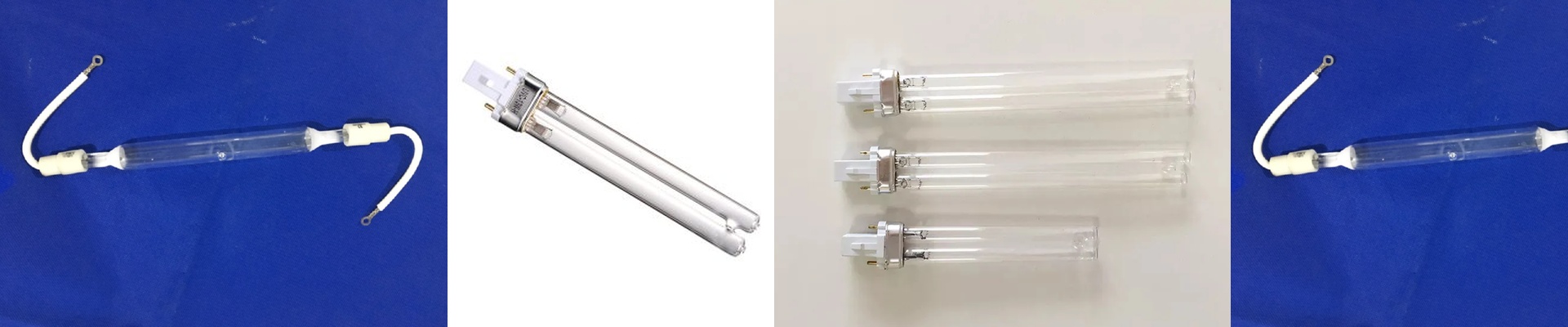
Getting the UV Dose Right—Every Single Millimeter
Most UV lamps you’ll find are just… general. They put out light, and you hope for the best. We decided to stop worrying about raw wattage and start obsessing over something else: spectral energy concentration. Our goal was a 0.5% variance in energy across the whole length of the lamp. Why? Because it doesn’t matter how powerful your lamp is if the UV dose isn’t identical at every single millimeter of your substrate.
The struggle with “Cold Spots”
If you’ve worked with high-pressure mercury lamps, you know the “end-effect” headache. The plasma density usually drops off near the electrodes, leaving you with weak spots. To fix this, we tore apart the internal arc geometry and tweaked the gas fill pressure. We stopped chasing lumens and started chasing precise irradiance. It sounds like a technicality, but on a high-speed line, it’s everything. A tiny 1% dip in energy is the difference between a perfect finish and a tacky, uncured surface that ruins your batch.
The gear and the catch
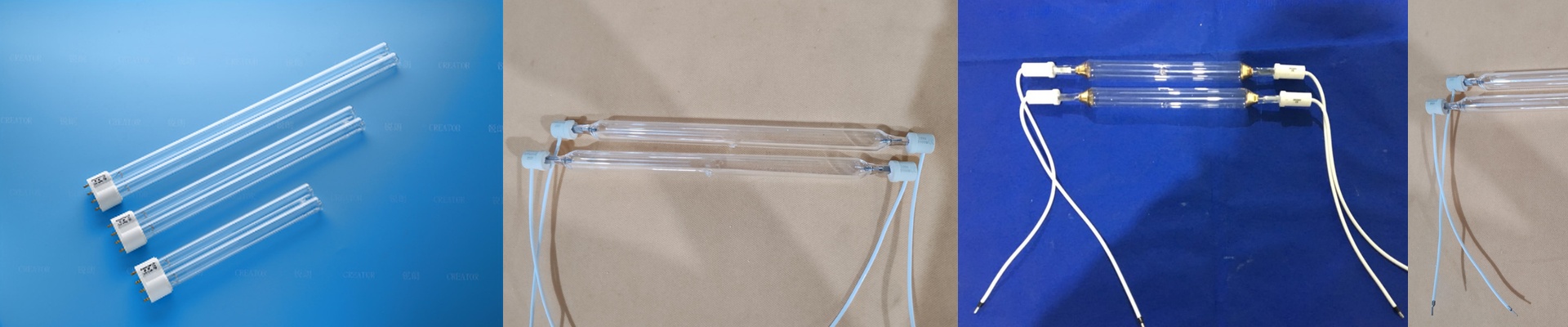
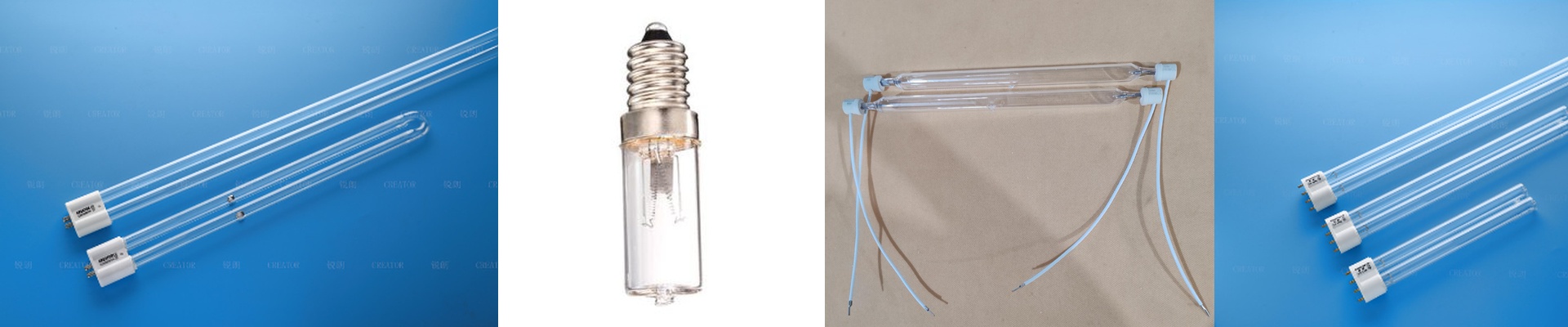
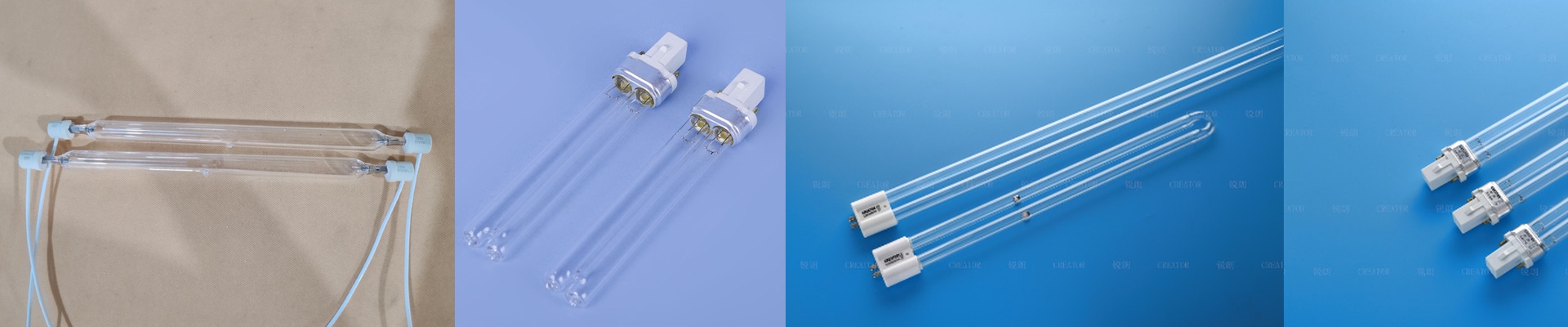
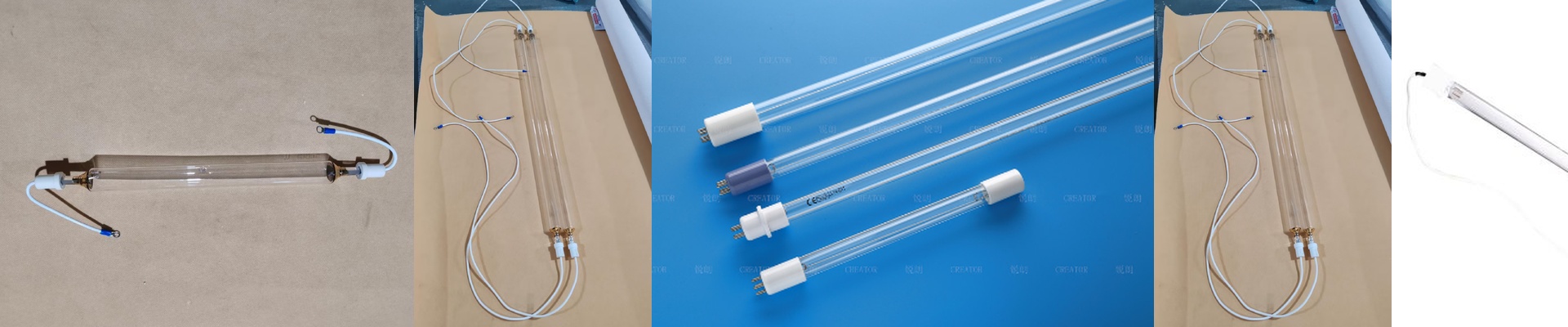
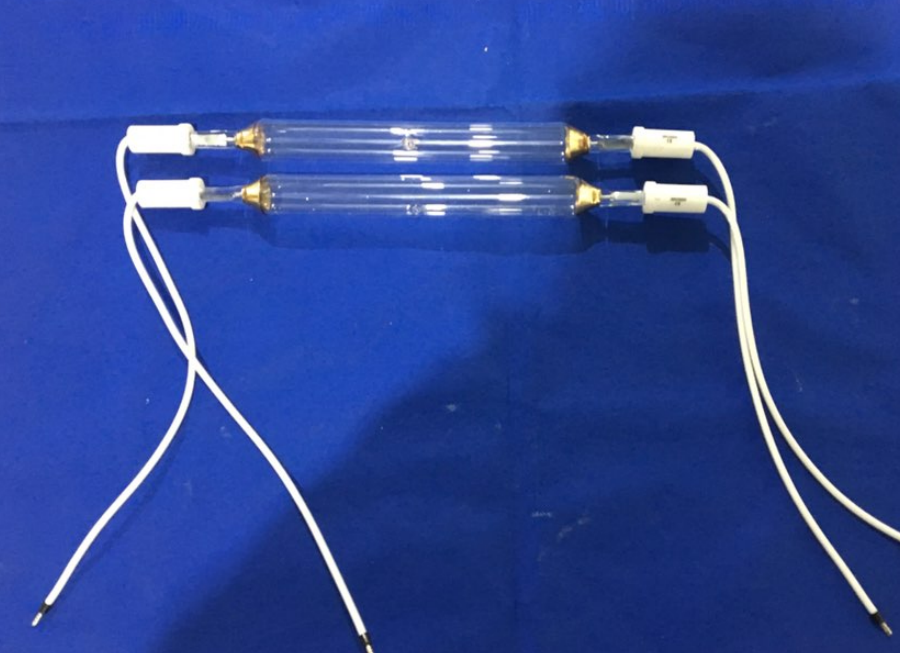
We use high-purity fused quartz so the UV actually gets out instead of being absorbed by the glass. The electrodes are tungsten, which means they won’t burn out the moment things get hot. We also made sure the high-voltage stability is rock solid so the arc doesn’t flicker. But here’s the thing: this level of precision requires tight tolerances. The quartz tube diameter has to be exact. If your housing is old and worn, or the lamp isn’t seated just right, you’re wasting the precision tuning. You can’t just slide these into a legacy system and expect magic—you’ve got to check your reflector alignment first.
What this actually does for you
You really see the payoff in things like electronic component curing or high-precision PET blowing. Usually, when people notice uneven distribution, they just crank up the power to compensate. That’s a mistake. It just cooks the substrate. With these, you can run at a lower, stable wattage. Your cooling fans don’t have to scream, and your ballast lasts longer. We built these for the engineers who are tired of guessing and just want the data to match what’s happening on the floor.