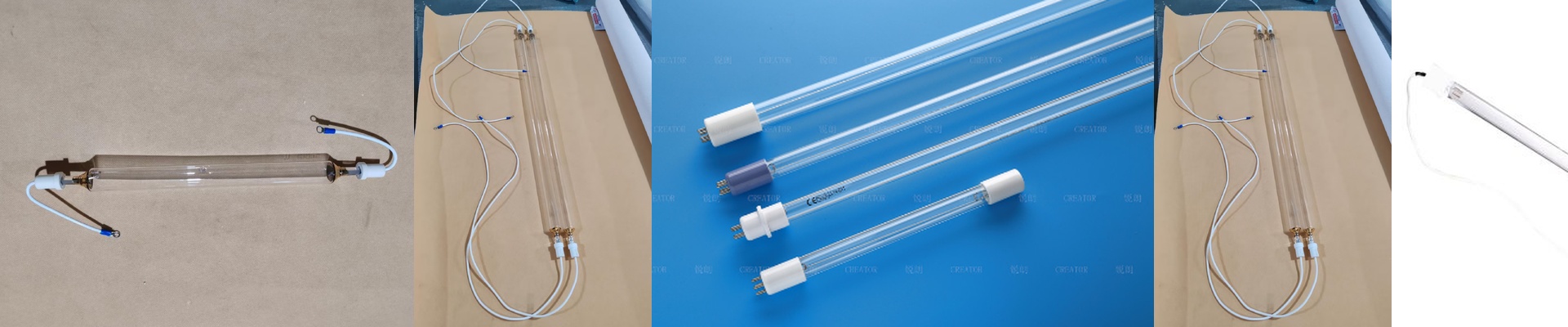
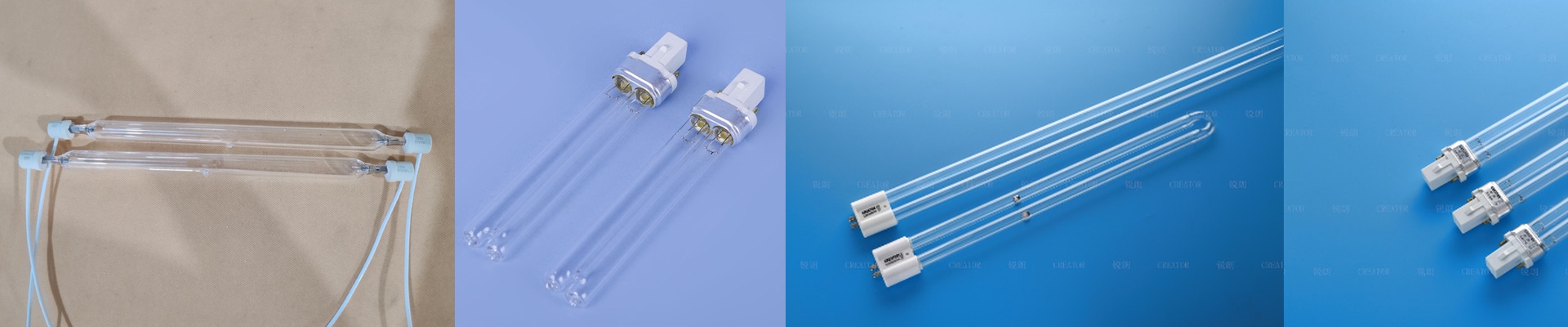
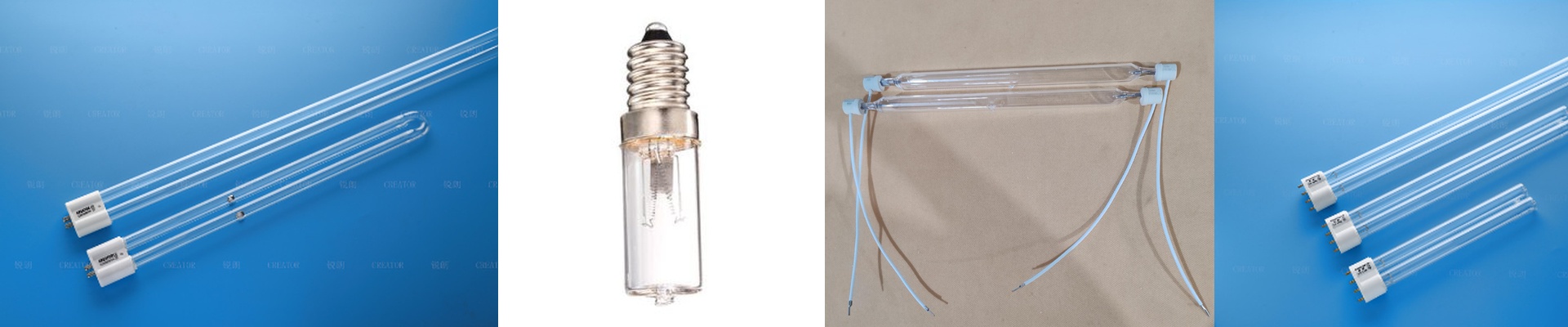
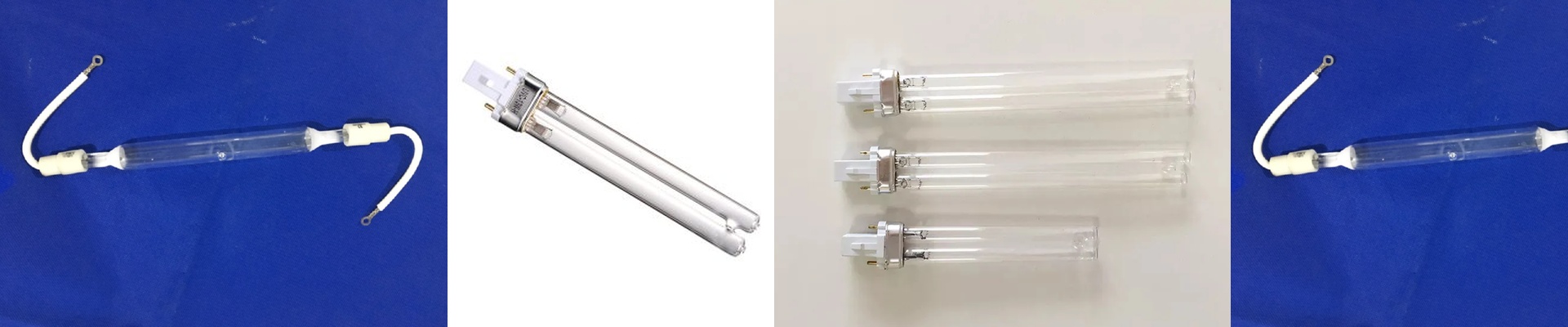
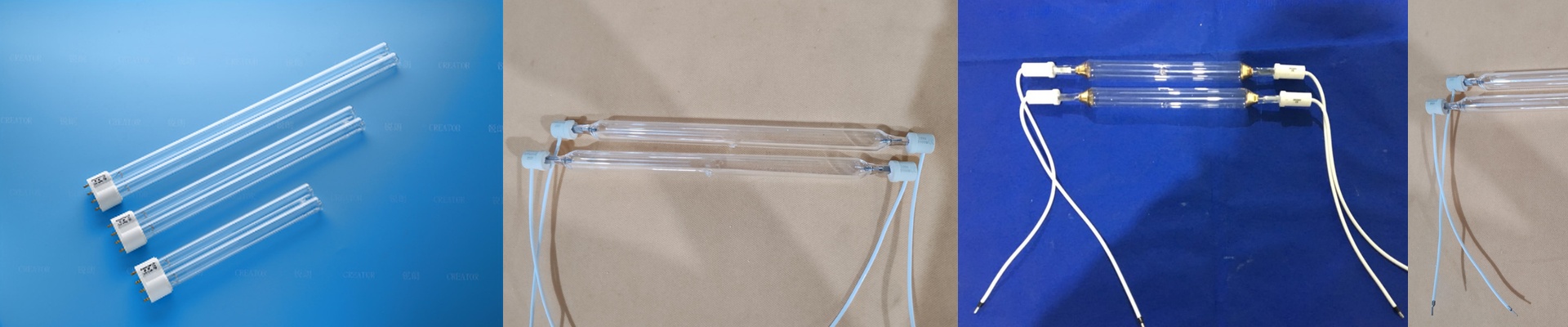
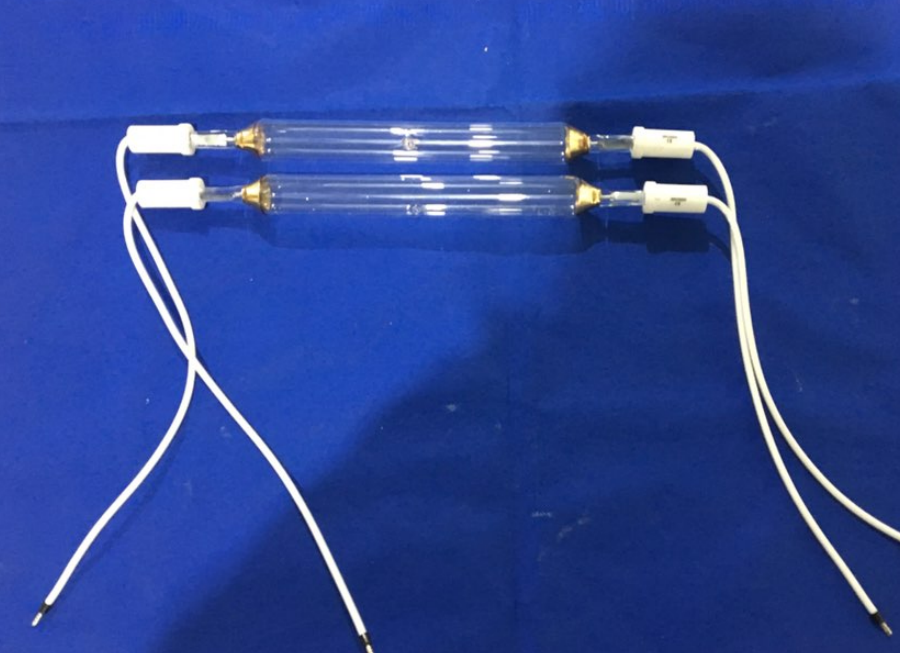
Getting the Most Out of Your Gallium Iodide Lamps
If you’ve ever felt like your standard halogen or quartz lamps just aren’t hitting the mark, you’re not alone. There’s a weird gap in the spectrum between infrared and ultraviolet, and that’s exactly where our gallium iodide lamps live. We build these for the tough jobs where “standard” just doesn’t cut it. The nitty-gritty on how they work It all comes down to the chemistry inside. By tweaking the ratio of gallium to iodine, we can shift where the light peaks. The result? A concentrated beam that punches through materials in a way a regular heat lamp simply can’t. But a word of warning: these things gethot. Really hot. Depending on your power supply, you’ve got to watch those voltage and wattage ratios, or you’ll fry the filament. And please, check your airflow. If your housing is too tight, you’re going to end up with a melted socket. Not a great look. Why we do things differently Here’s the thing about most suppliers: they buy pre-made tubes and just pump them full of gas. We don’t do that. We handle everything under one roof—from blowing the quartz glass to the final chemical fill. Because we aren’t paying a middleman to mark up the parts, we can keep the price fair without using cheap, low-grade gallium. You get the good stuff without the “premium” price tag. Setting them up (and a few things to watch for) Getting these into your UV/IR arrays is easy. We use standard industrial connectors, so you can wire them up and get moving quickly. But wait—there is one quirk. These lamps don’t just “snap” to full brightness. They have a warm-up curve, meaning there’s a slight lag before they hit peak intensity. If your machine relies on millisecond precision, you’ll need to adjust your timing. A pro tip? Keep the lamps idling at a lower power setting. It keeps them thermally stable and ready to go the second you need them.