Getting Your PCB Curing Right with Gallium Iodide
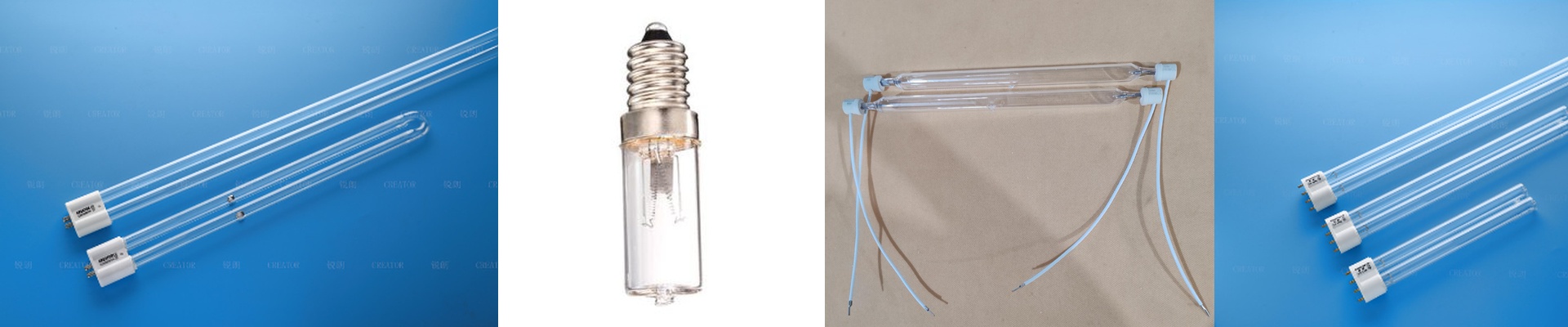
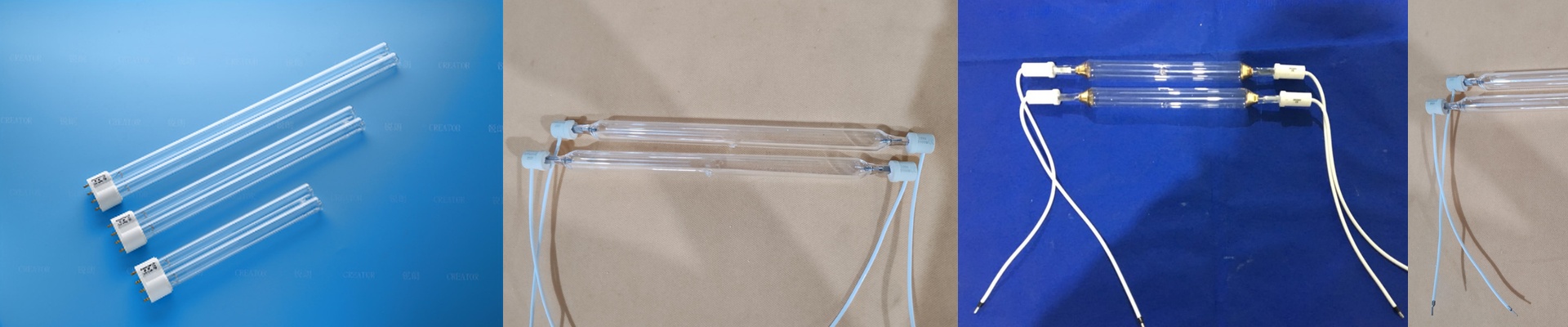
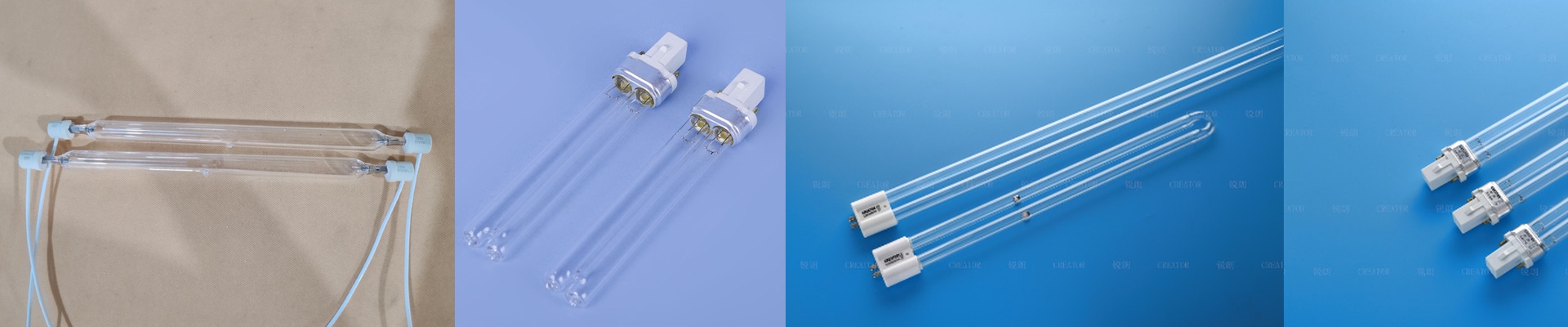
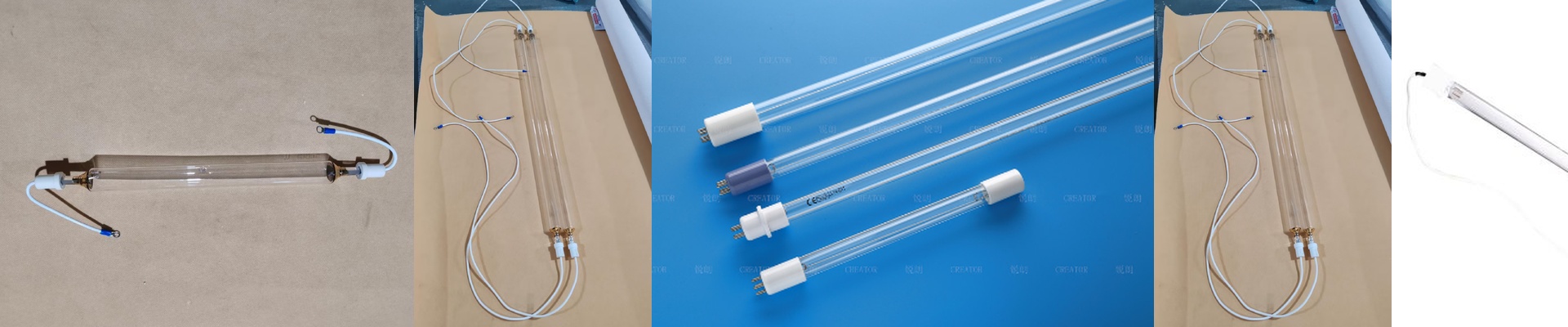
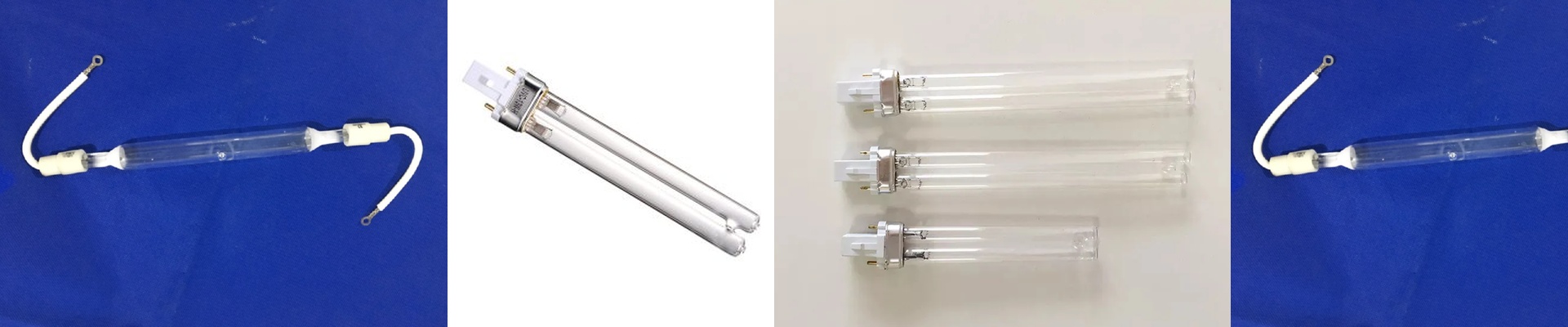
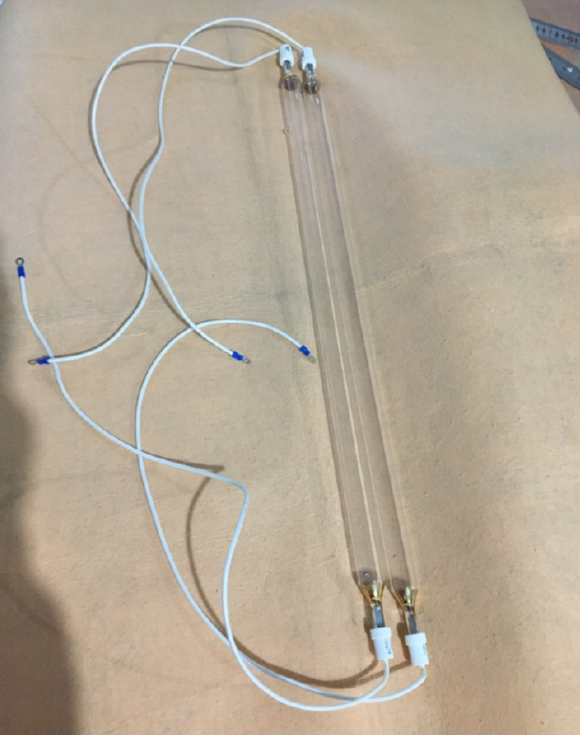
If you’re running a PCB line, you know the struggle of drying solder masks or curing photoresists. You need enough heat to get the job done, but if you push too hard, you risk warping the whole board. It’s a delicate balance. That’s where gallium iodide lamps come in. These lamps work in the short-wave infrared (SWIR) spectrum. Instead of just blasting heat everywhere like a standard quartz heater, they focus the energy right where it needs to go—into the organic curing agents. It’s a much more direct hit. This means your resist layer cures faster, and you aren’t baking the fragile substrate just to get the surface dry. But a word of warning: these things are powerful. When you drop these into a conveyor line, the heat flux is intense. You’ve got to get your belt speed exactly right. If you’re too slow, you’ll ruin the board. Too fast, and the resist won’t polymerize. It takes a little tweaking, but once you hit that sweet spot, it’s a breeze. Now, let’s talk about the money side of things. We handle everything ourselves—from the raw quartz to the filling and sealing. Because we don’t rely on a string of middlemen, we can skip those annoying distributor markups. You get a lamp that hits your wattage and voltage needs without paying a “premium” just because someone else shipped it to you. Plus, we made them easy to install. We use standard end-caps, so they should slide right into most industrial ovens and wire up without a headache. One last thing—don’t neglect your cooling. These lamps get seriously hot at the electrodes. If your fans aren’t up to the task, your housing will overheat and your tubes will burn out way sooner than they should. And please, keep the glass clean. A little bit of dust or flux residue might seem like nothing, but it creates a “hot spot” on the quartz. That’s usually how these lamps die prematurely. Keep them spotless, and they’ll take care of you.