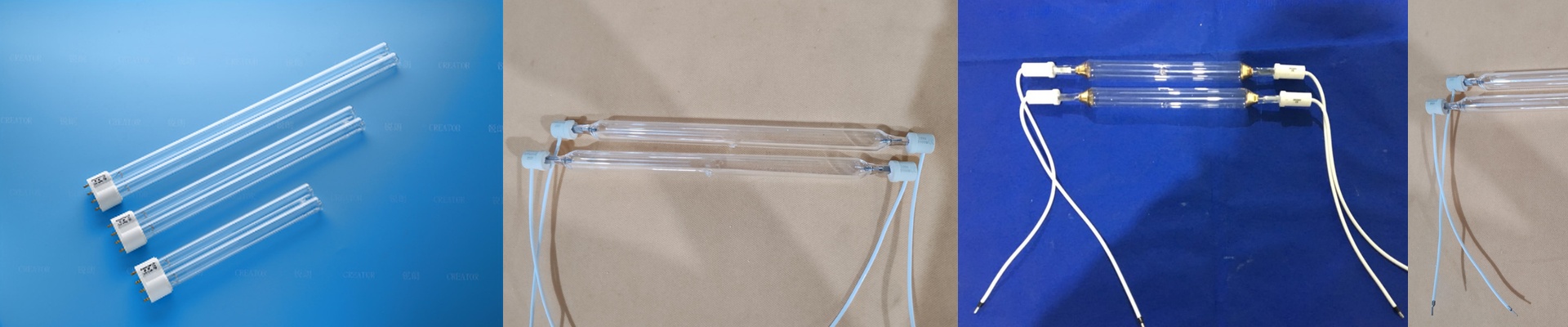
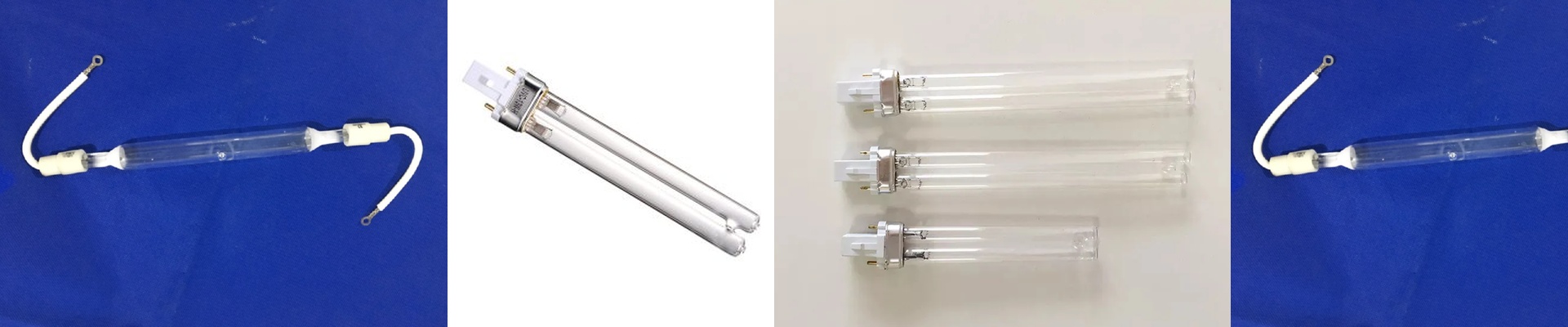
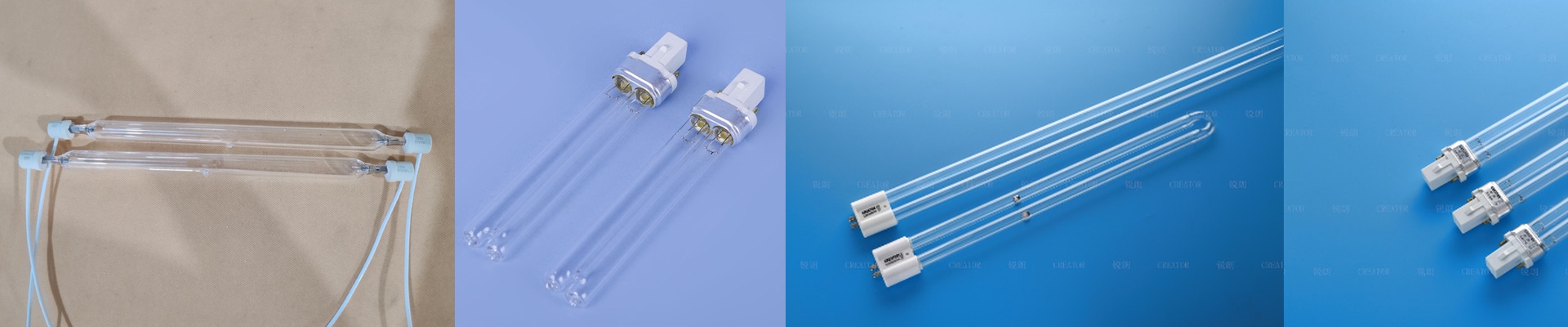
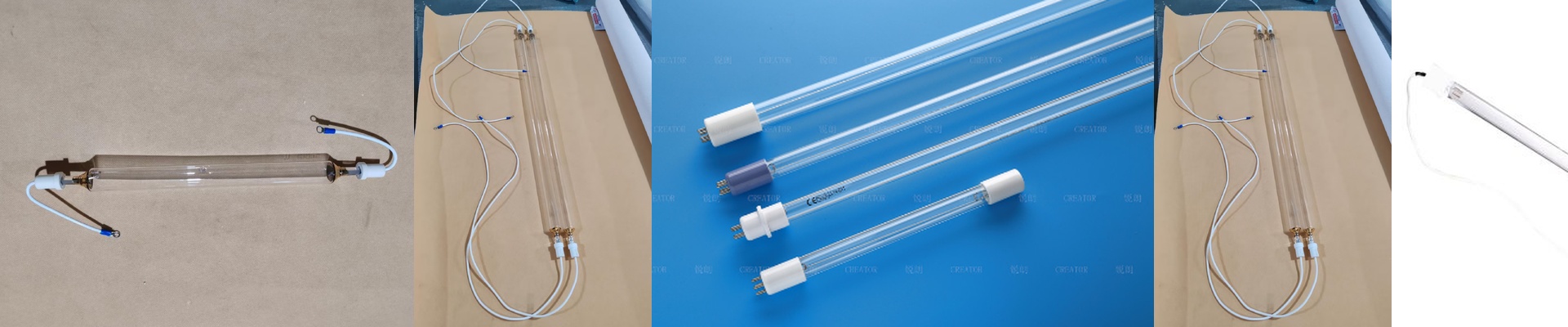
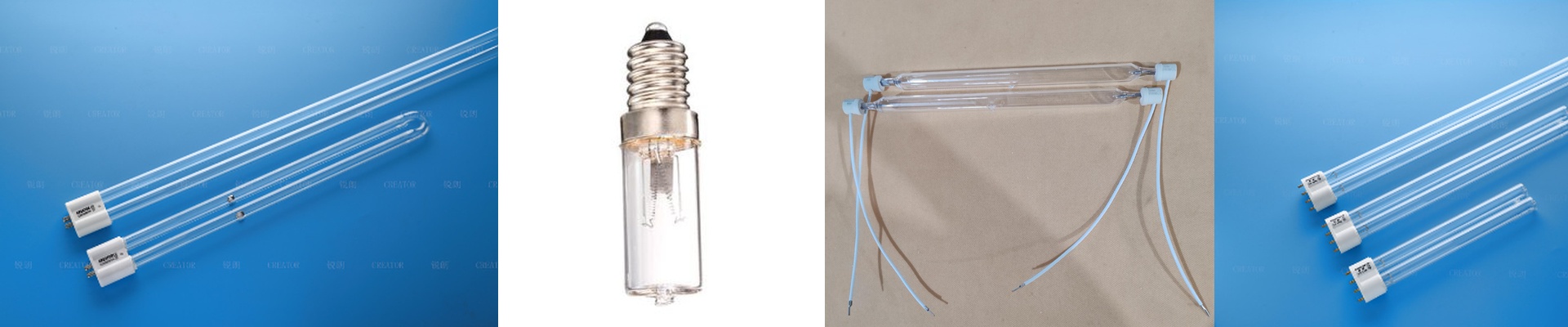
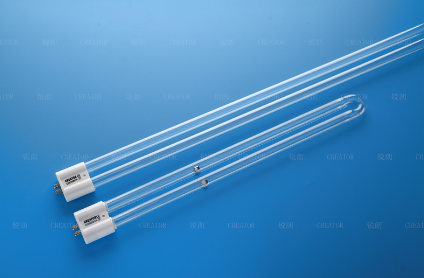
Running a UV curing line in a -20°C cold storage? Ambient temperature is not what decides whether the ink cures. It’s lamp output, period. Standard mercury lamps get sloppy in the cold—spectral output drifts, overall output drops, and peak irradiance collapses. The photoinitiator in the UV ink can’t do its job, cross-linking falls apart, and you’re left with adhesion loss, an uncured surface, and cartons that go straight to scrap. What we focused on, technically We built this replacement mercury lamp around a low-temperature quartz arc tube and a ballast that’s thermally tuned. The goal is stable UVC output at -20°C, with steady peak irradiance at the 254 nm germicidal band and strong 365 nm/385 nm lines for curing. The reflector uses a dichroic coating to manage heat—keeping the arc tube in its operating window while it directs usable UV energy onto the substrate. You get consistent curing energy density, measured in mJ/cm², without the dip you see when a lamp fights to ignite or drifts after start-up. Why it holds up in cold chain Cold chain logistics doesn’t forgive weak starts. This lamp fires up quickly, holds arc stability, and delivers repeatable output shift after shift, print cycle after print cycle. On UV offset, flexo, and screen lines in cold storage, you’ll see consistent cure on low-energy inks and better adhesion on coated surfaces—even when the ambient temperature swings. That translates to fewer rejects, fewer stops waiting for lamp warm-up, and lamp life you can plan around. A few shop-floor details Before you order, confirm your printer’s lamp compartment clearance and reflector geometry. This unit runs ozone-free, but the ballast needs the correct voltage and solid grounding to avoid ignition surges. If vents in the existing fixture get blocked, thermal management goes sideways and output drifts. Plan the install to match the airflow, or performance will drop.