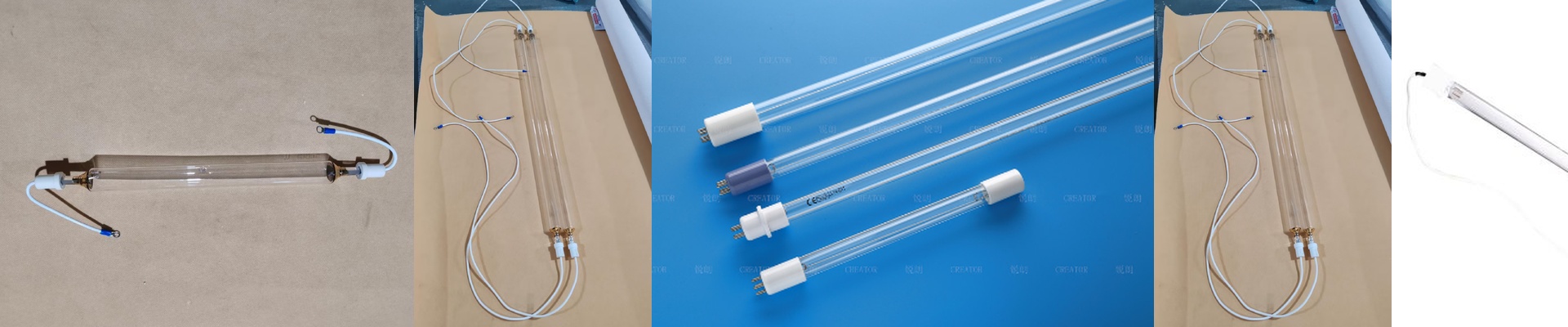
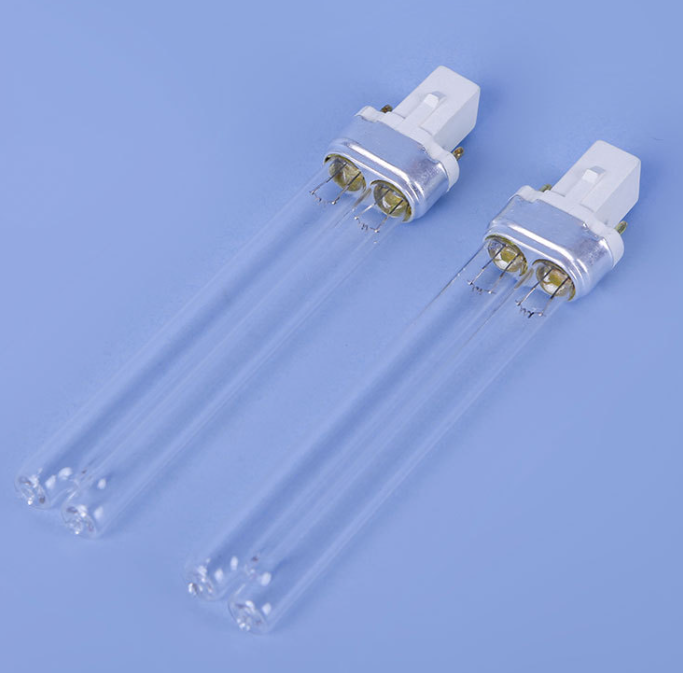
Getting Your UV Curing Exactly Right
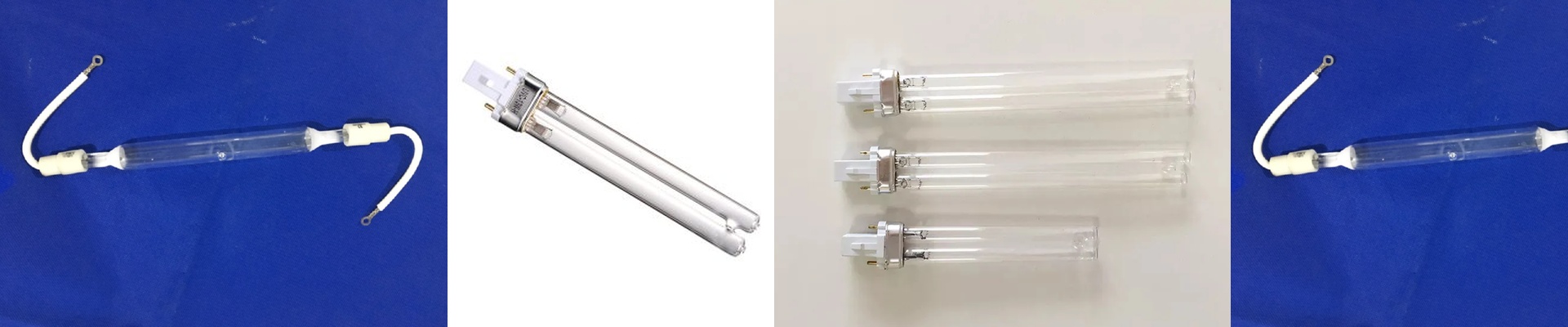
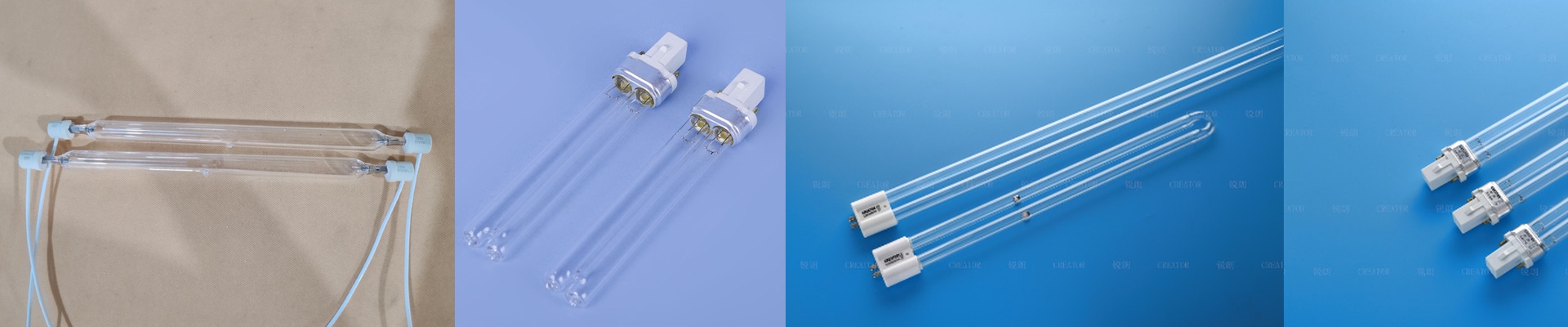
Here’s the thing about UV curing: you can’t just throw any lamp at a project and hope for the best. It doesn’t work like that. If your wavelength is off by just a few nanometers, your cure depth tanks. Suddenly, your line speed crawls to a halt and you’re staring at a bottleneck. That’s why we don’t do “generic.” We build our lamps to match the specific absorption peaks of your photoinitiators. We get into the weeds of arc physics and quartz chemistry so you don’t have to.
Tuning the Light
We aren’t just pulling bulbs off a shelf. Depending on what you’re doing, we tweak the gas mixture and the electrode geometry to shift the light. If you’re dealing with deep-section curing, we lean into longer wavelengths to punch through those thicker resin layers. For a quick surface flash-off? We tighten things up with shorter wavelengths. To make sure this actually works in the real world, we map the irradiance across the entire length of the lamp in our lab. No cold spots. No guessing.
Heat, Quartz, and the Warping Problem
We use high-purity synthetic quartz. Why? Because we want every single photon hitting your substrate, not getting soaked up by the lamp envelope itself. But there’s a catch: heat. If you’re working with PET or thin plastics, too much IR heat will warp your parts instantly. To stop that, we can add specialized coatings that filter out the heat while letting the UV through. It’s all a balancing act. A high-wattage lamp is great for speed, but it puts a massive strain on your cooling. If your air-flow or water-chilling isn’t up to the task, your lamp is going to burn out way too soon.
Making it Fit
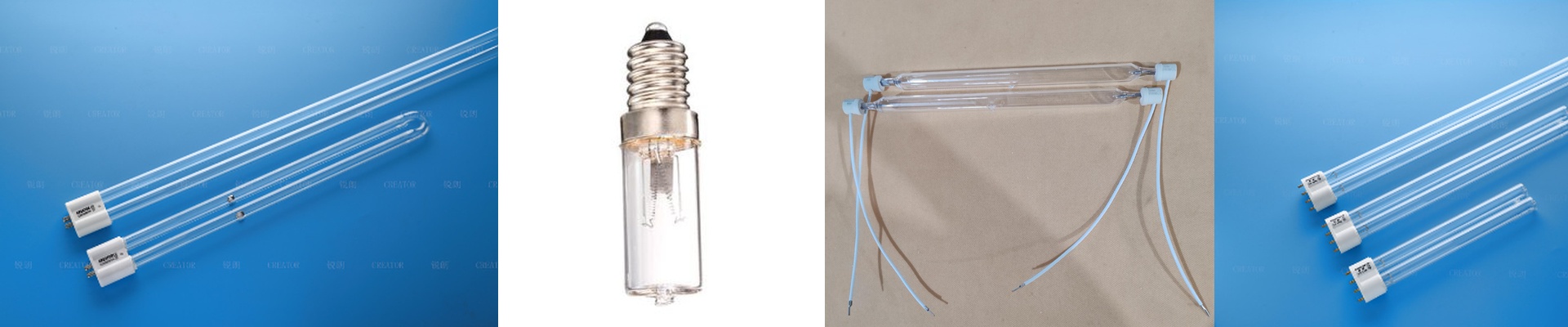
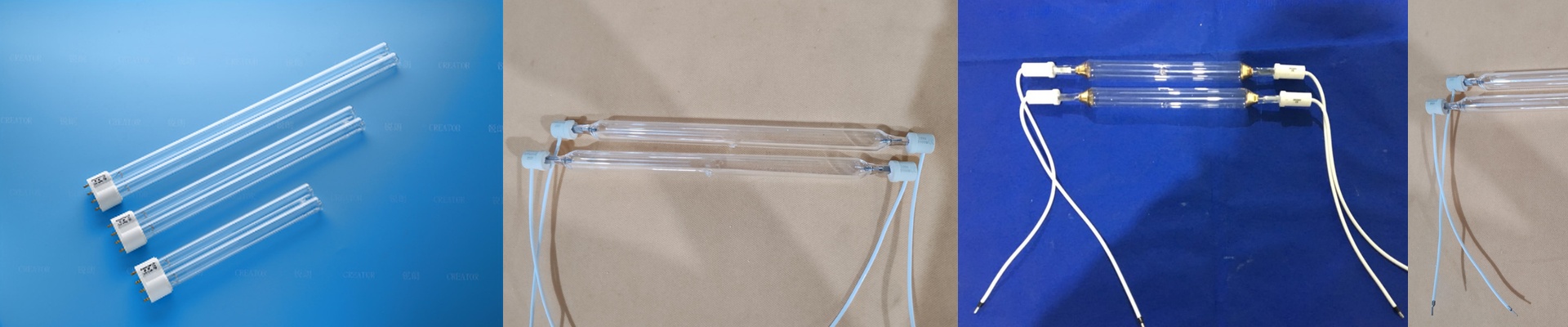
We build these to be drop-in replacements. Whether you’ve got a tiny footprint or need a weird end-cap configuration, we just follow your mechanical drawings. We also pay a lot of attention to the electrical interface. Nobody wants a lamp that flickers or arcs at the terminals in the middle of a shift. You just get a stable, steady output that keeps your cycle consistent, whether you’re running for an hour or 24 hours straight.