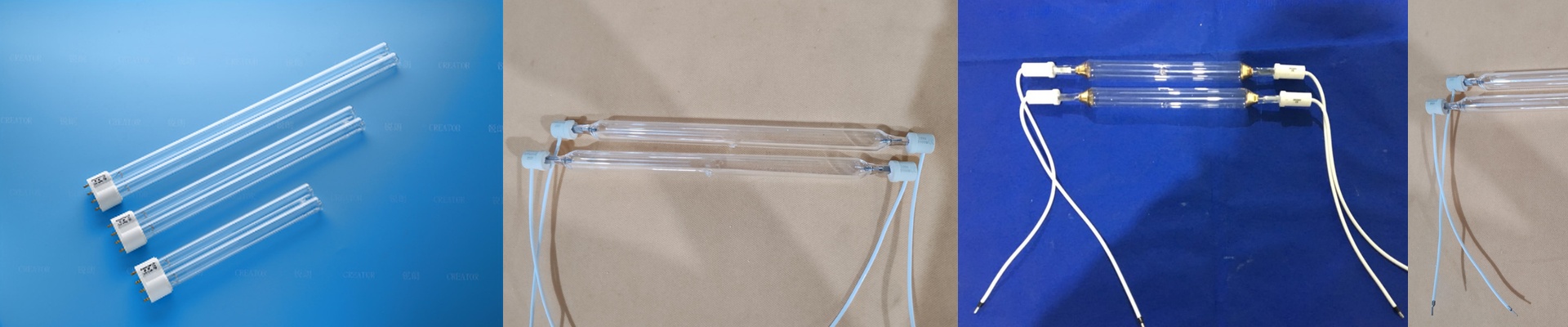
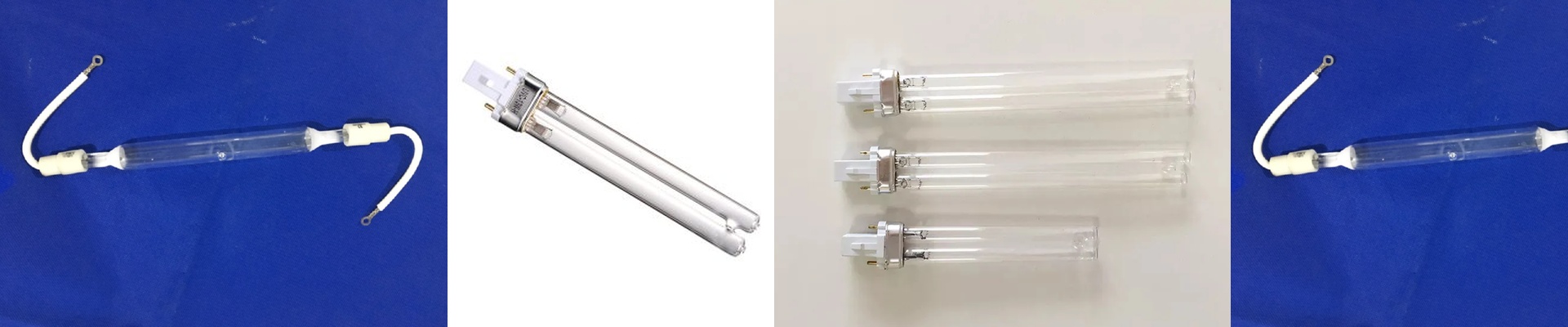
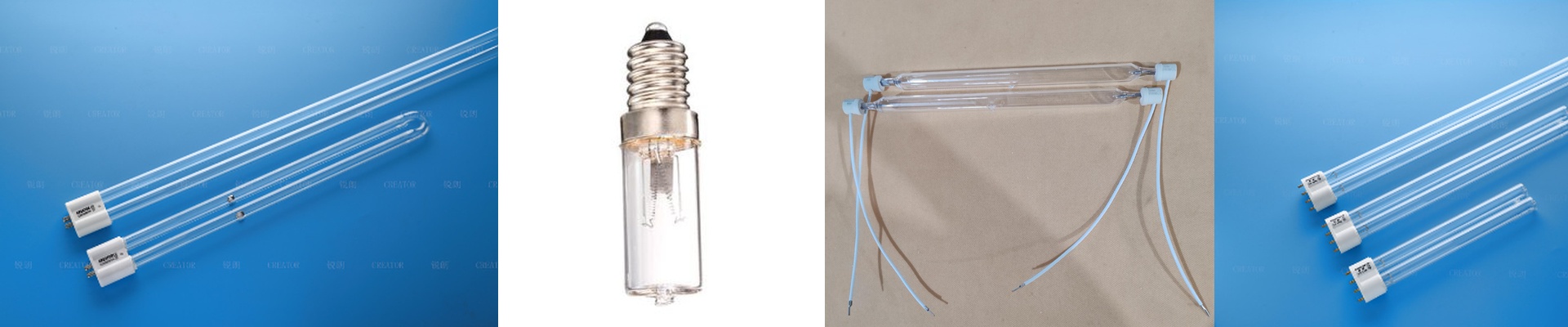
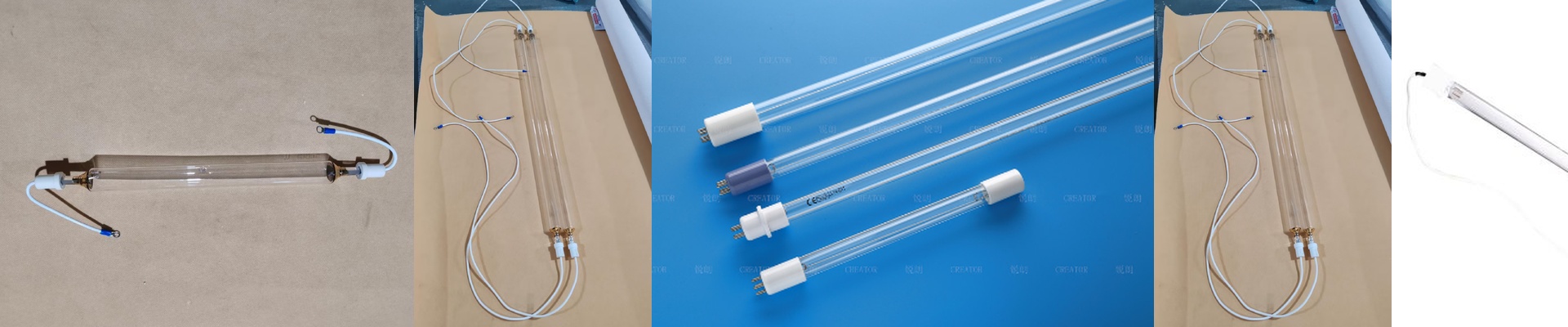
Stop Treating Your UV Lamps Like Generic Parts
Most wholesale buyers make the mistake of treating UV lamps like a commodity—something you just pick out of a catalog by a part number and hope for the best. But that’s not how you build a brand people actually trust. To get it right, you have to look at the physics of how your lamp is actually being used. That’s where we come in. We give you the tools to stop guessing and start controlling the variables.
Getting the Power Right
It all starts with the spectrum. Whether you’re killing germs with UVC or curing resins with UVA, your wattage and voltage have to play nice with your ballast. Here’s the thing: if you push for high wattage to get faster curing cycles, you’re putting a lot more stress on the quartz envelope. It’s a balancing act. You want speed, sure, but you don’t want your lamps burning out every two weeks. We help you find that middle ground where you get the performance you need without killing the hardware.
The Nitty-Gritty of Materials
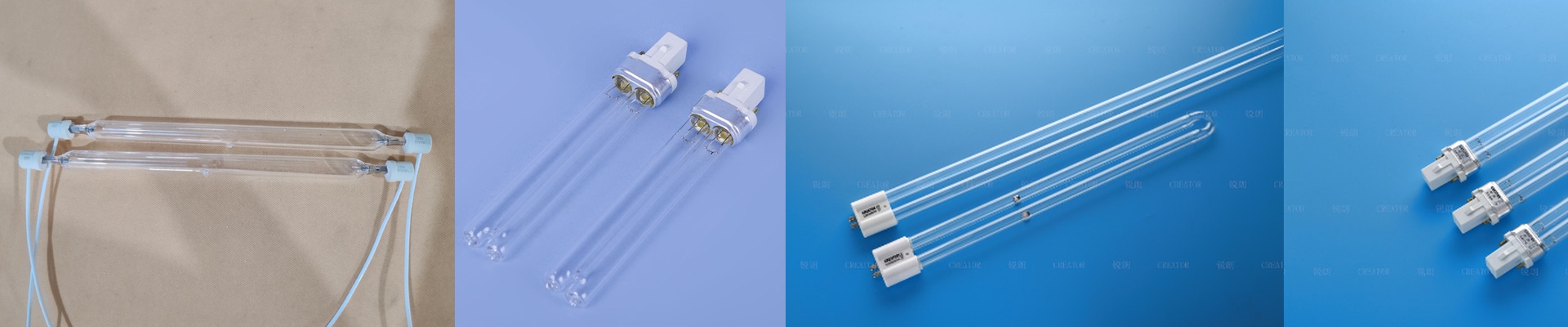
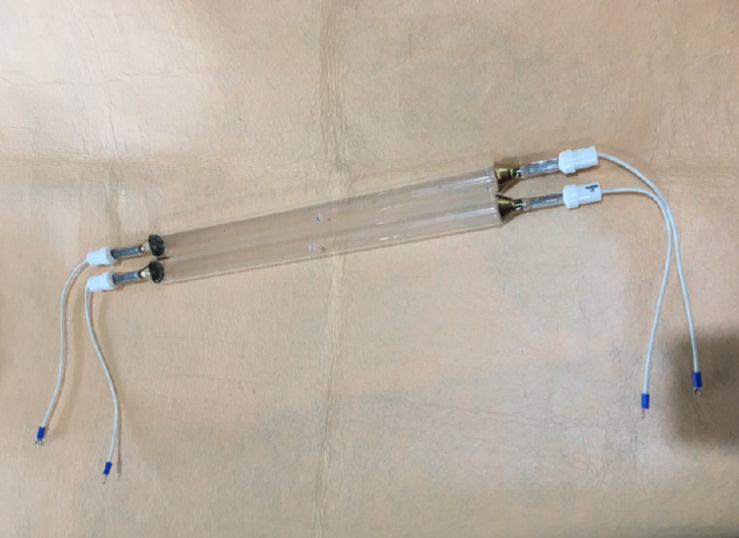
We use high-purity fused quartz because it lets the UV light through without soaking it up. And if your lamps are sitting in a mess of harsh chemicals or cranking out extreme heat, we can add specialized coatings to keep the glass from failing. Even the connectors—like R7s or SK15—matter. A loose fit leads to arcing at the base, and nobody wants that. If you’ve already got a housing designed, we can just tweak the length and diameter. It’s a simple drop-in. No need to redesign your whole machine.
The Trade-Offs (The Part Nobody Tells You)
More power equals more heat. Plain and simple. If you go for maximum intensity, your cooling system has to be able to keep up. If the airflow isn’t there, the envelope overheats and the lamp dies early. We’ll work with you to find the “sweet spot.” It’s that perfect point where your production goals are met, but your equipment stays healthy. That’s the difference between a cheap lamp bought in bulk and a professional product you can actually put your name on.