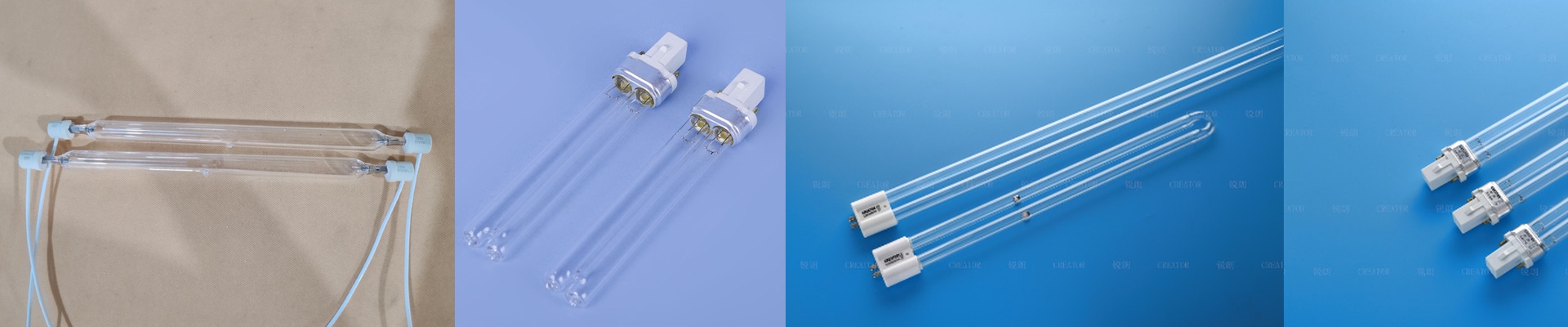
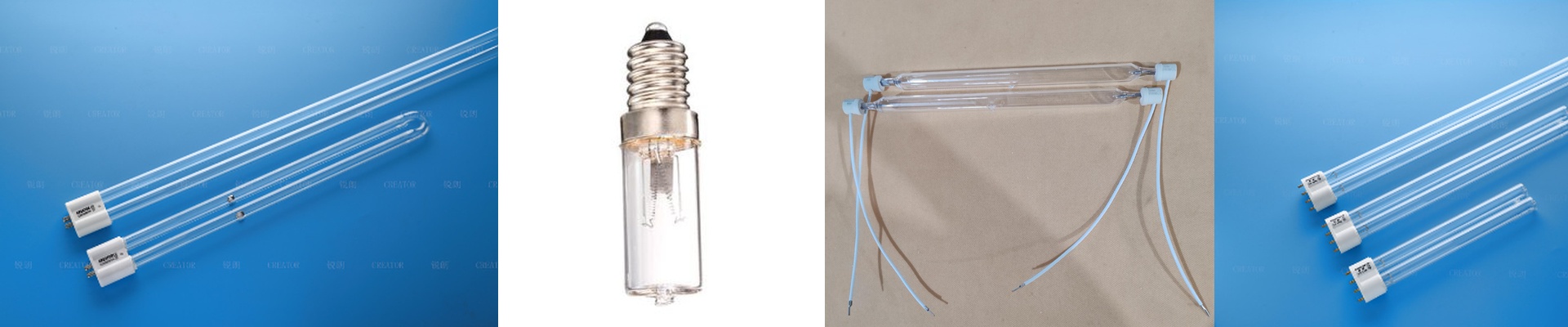
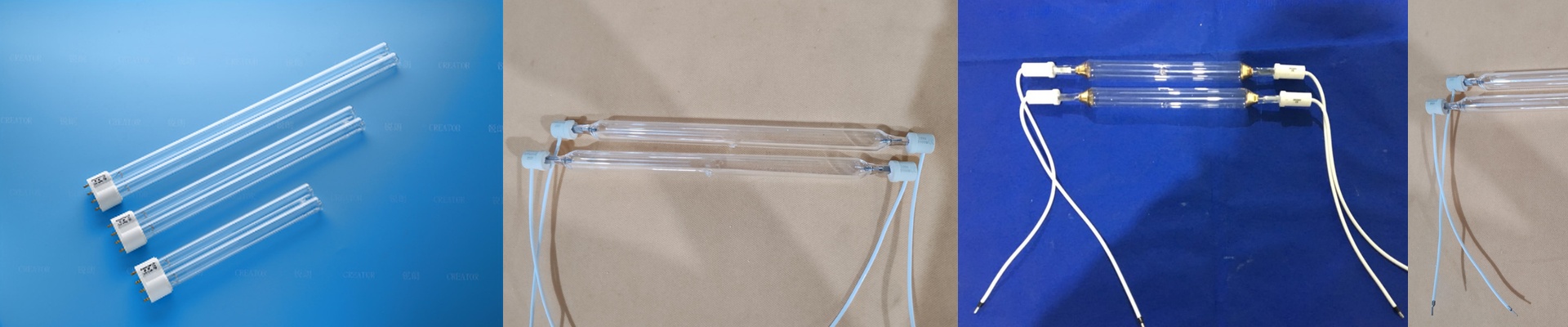
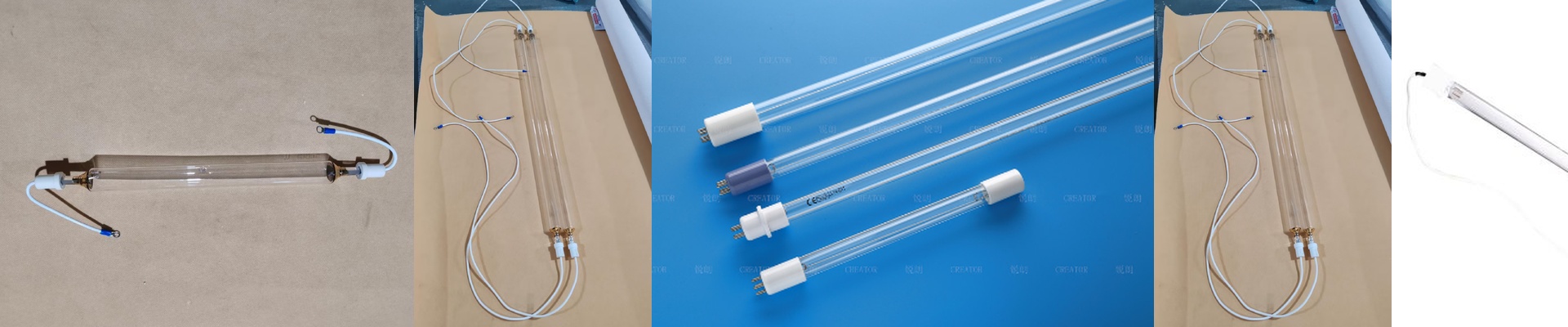
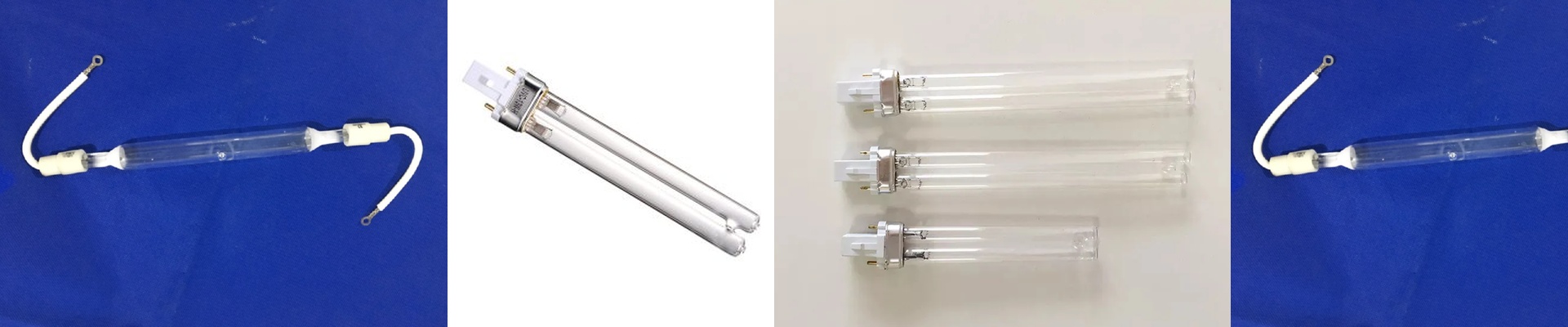
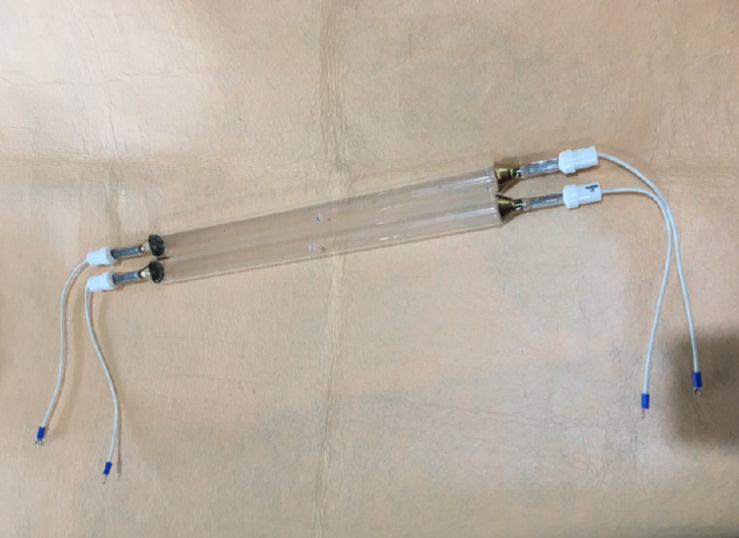
Downtime on the press floor is measured in lost sheets and idle lamp modules. When a UVC germicidal bulb goes down, the line stops—not because of some complicated failure, but because the interface just doesn’t line up. We built our UVC germicidal bulbs to kill that mismatch. Spiral-head and plug-in press architectures are both covered, with interface-ready terminations. It’s a direct-drop replacement—no rewiring, no adapter plates, no control re-configuration. The technical heart of it is straightforward: stable 254nm germicidal output, delivered with consistent irradiance across the target zone. Peak irradiance stays up thanks to a high-purity quartz envelope and a reflector system tuned for UVC return. You get repeatable dose on the substrate, and in the air/water paths where you need microbial control. Start-up is instant—no warm-up. Output holds steady over the service window, so process control stays predictable. Here is why this works in printing and finishing environments: compatibility and uptime. The interface is designed to mate with common lamp-holder families, so a swap is measured in minutes, not change orders. You keep the same footprint, the same spectral profile, and the same operational parameters, which keeps curing and disinfection cycles consistent. That means fewer emergency changeouts, fewer variance events, and a microbial control envelope that doesn’t drift. One practical note: UVC exposure demands disciplined safety. Install only with proper interlocks and shielding, and check reflector condition and lamp positioning—UVC intensity drops off fast with distance and contamination. Confirm voltage and connector alignment against your machine’s nameplate before you swap in. Mismatched pins and undersized wiring will cost you performance and shorten lamp life.