



Getting More Punch Out of Your UVC Lamps
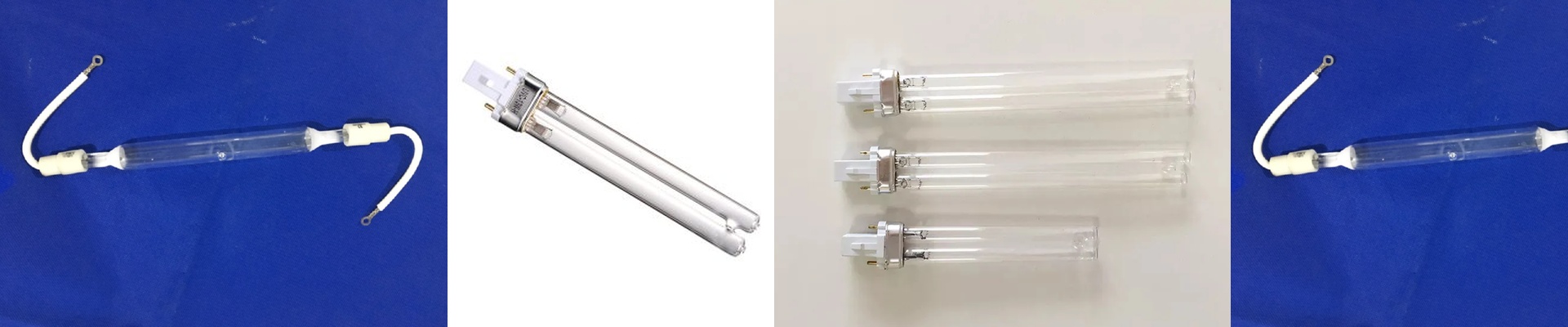
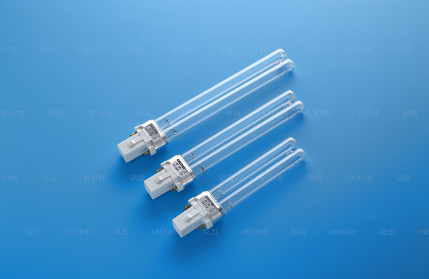
Most UVC lamps you’ll find on the market are a bit messy. They scatter their energy all over the place. For a basic light, that’s fine. But if you’re trying to kill germs with precision, all that scattered energy is just wasted power. We spent our R&D time figuring out how to tighten that focus. We managed to get the variance down to 0.5%. Why does that matter? Because it means the peak output hits 253.7nm—the exact sweet spot where DNA absorption is at its highest. It’s like the difference between a floodlight and a laser. The tricky part is the physics. To keep things that tight, you have to be obsessed with the mercury vapor pressure and the purity of the quartz. We use high-grade synthetic quartz because standard glass “solarizes”—it gets cloudy over time and shifts the spectrum. If the glass has too many impurities, it actually swallows the photons we’re trying to push out. We spec our glass to make sure almost everything at that 254nm peak gets through. Now, this isn’t easy to build. Getting the spectrum this narrow requires some serious precision with the electrode positioning and the gas fill. But there’s a trade-off. Because the lamp is so finely tuned, it’s a bit pickier about power. If your ballast is jumpy or unstable, the spectral peak will drift. You’ll need a regulated power supply to keep that 0.5% concentration steady while it’s running. What this looks like in the real world. When you actually drop these into a sterilization chamber, you’ll notice something cool: you can lower your total wattage but still get the same kill rate. Plus, your cooling system doesn’t have to work nearly as hard because there’s less wasted heat. Just a heads-up, though. Since the energy is so concentrated, these lamps hate dust. A thin layer of grime on the quartz will block that narrow peak way faster than it would a cheap, broad-spectrum lamp. Keep the tubes clean. It’s the only way to make sure you’re actually getting the performance you paid for.