

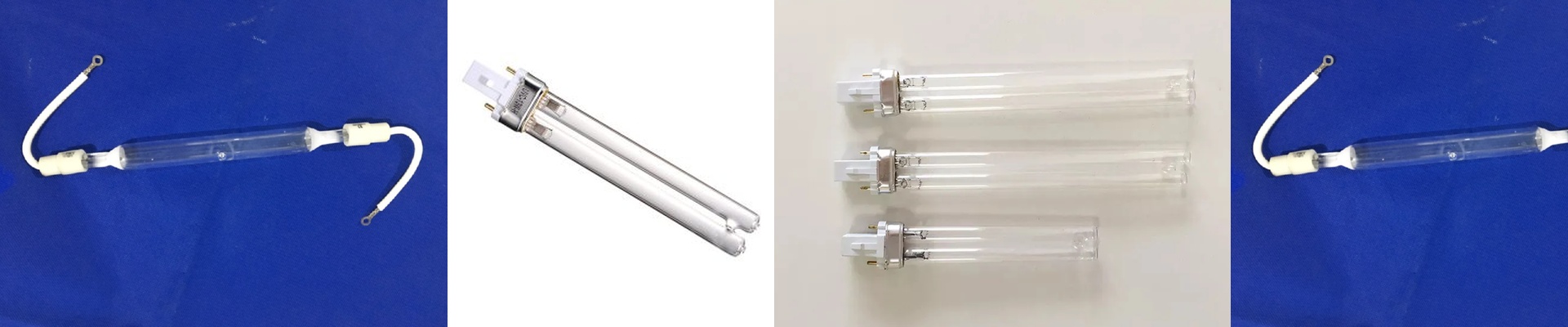


Getting the Most Bang for Your Buck with UV/IR Lamps
Let’s be honest: finding the sweet spot between a price that doesn’t break the bank and a lamp that actually works is a pain. Most people end up paying a premium just because there are three different middlemen between the factory and their warehouse. We do things differently. We handle everything ourselves—from sourcing the raw quartz to sealing the electrodes. When you work with us, you aren’t paying for some distributor’s fancy office or a sales rep’s commission. You’re just paying for the materials and the actual engineering that goes into the lamp. Simple as that.
The Balancing Act: Power vs. Lifespan
We don’t believe in “one size fits all.” We build your lamps based on exactly what your line needs to cure or heat. Sure, cranking up the wattage gives you more photon flux for UV or more heat for IR. But power isn’t free. If you push a lamp past its rated voltage, you’re basically asking the filament to burn out early. It’s like redlining a car engine; you’ll get there faster, but you’ll ruin the machine. To stop the guesswork, we give you clear voltage-current maps. You can just wire it up and know it’s going to last.
Why the Materials Actually Matter
It sounds like a small detail, but the glass makes or breaks the whole thing. We use high-purity fused quartz because it lets the UV light through. If you use cheap, low-grade glass, it blocks the short-wave radiation, and you’ve basically bought an expensive glow-stick that won’t cure a thing. For the IR side of things, we can tweak the coatings to make sure the heat hits your material exactly where it needs to. And because we use standard industrial connectors, these just slide right into your existing rigs. No hacking, no adapters, no headaches.
The Heat Problem
Here is the thing: high-output lamps gethot. Really hot. If you’re running a high-wattage UV system to keep your line moving fast, you’re putting a massive load on your cooling gear. If your fans or chillers can’t keep up, that quartz tube is going to crack from the thermal shock. It’s a loud, expensive mistake that you definitely want to avoid. That’s why we send over the thermal dissipation data with every shipment. Check your cooling capacity first, pop the lamp in, and you’re good to go.