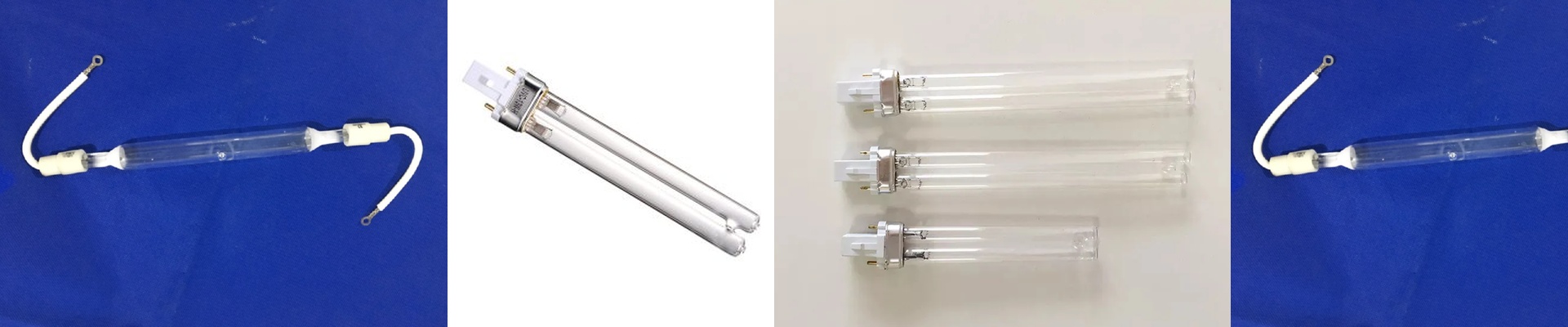
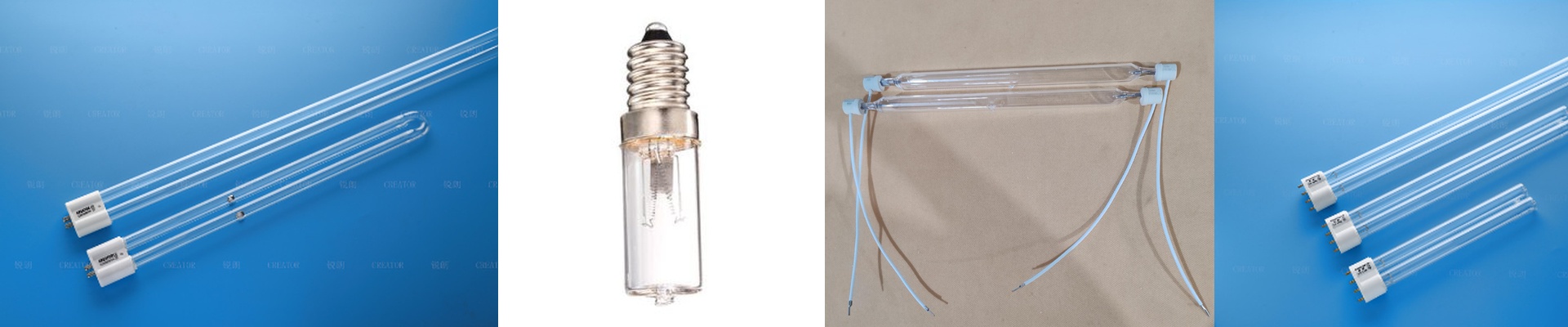
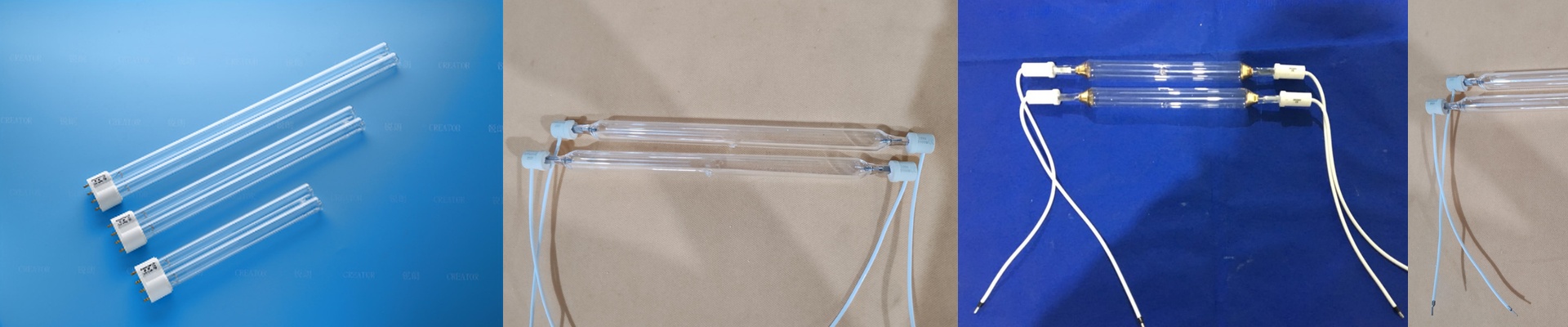
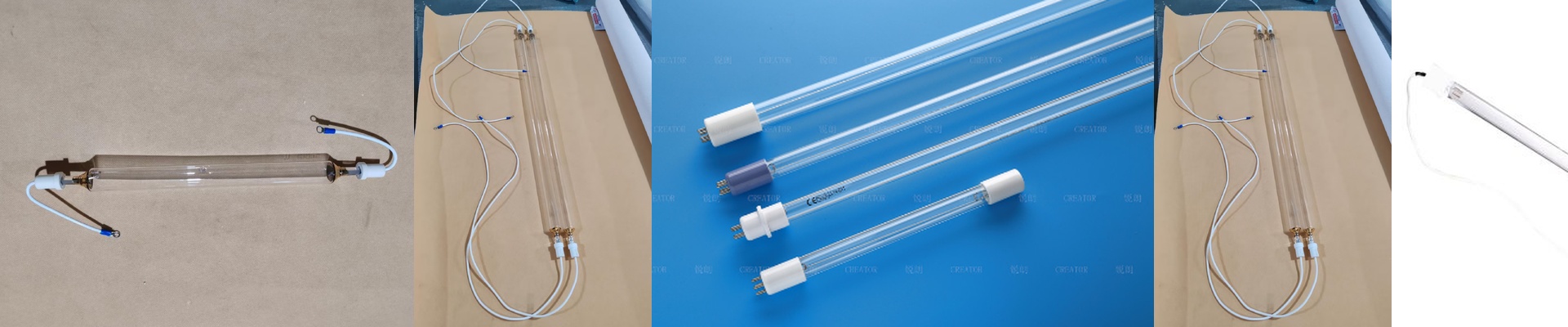
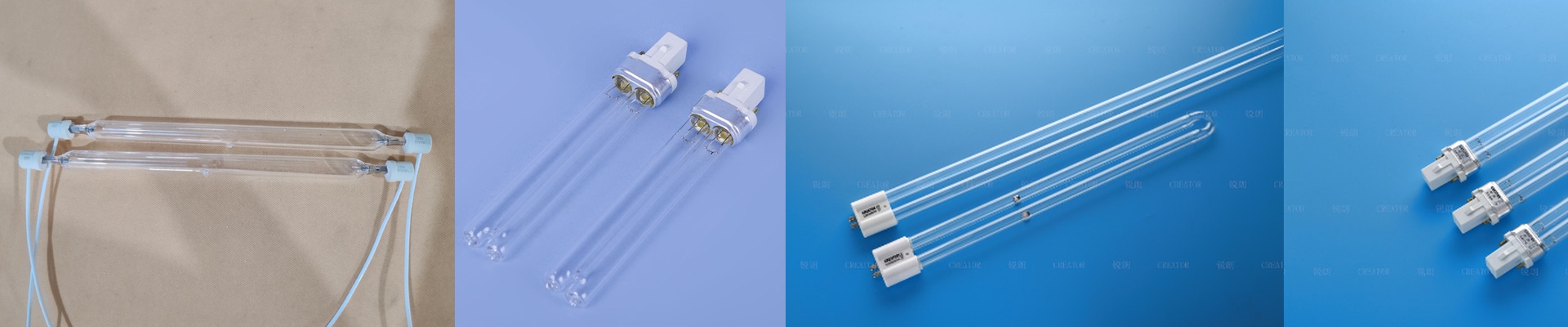
Outdoor billboard canvas printers live or die on image stability. Hit the job with wind, sun, and temperature swings, and under-cured ink folds fast—fade, crack, peel. The real question is measurable: how many years of color will you get when the cure is dialed in? With high-pressure mercury arc UV lamps, the answer starts with spectral output and ends with cross-linking density.
What matters, technically
Mercury arc lamps throw a broad UV spectrum that lines up with photoinitiator absorption across common formulations. You get strong output around 365 nm, plus solid lines near 313 nm and 405 nm. That breadth drives surface-to-bulk cure—not just a skin layer. Spec lamps by peak irradiance at the substrate plane (W/cm²) and delivered energy density (mJ/cm²). Wattage alone? Not enough.
Keep the arc stable, keep the reflectors clean and high-reflectivity with dichroic coatings, and keep junction temperature consistent. Do that, and output stays repeatable across the lamp life.
Why it works for outdoor canvas
Full cure here means polymer networks that can take the UV and weather without falling apart. When the mercury arc system delivers enough energy to fully convert the ink, pigments sit inside a cross-linked matrix, not on a weak surface film. In accelerated weathering, properly cured prints show far less color shift and gloss loss because the binder resists chain scission.
And on the floor, the payoff is throughput: faster line speeds without tack, and far fewer reprints from adhesion failure.
The things you need to keep straight
Mercury arc lamps need matched igniters, clean reflectors, and airflow that keeps junction temperature in line and prevents hot spots. Output drops as hours pile up, so schedule radiometer checks and plan lamp replacement intervals.
Compatibility with your curing module isn’t a “maybe.” Verify lamp length, base, and voltage against the printer spec. You’ll get high intensity, sure—but you have to plan for the maintenance that keeps it stable.
เครื่องพิมพ์ผ้าใบป้ายโฆษณากลางแจ้งขึ้นอยู่กับความคงตัวของภาพเป็นสำคัญ เมื่อโดนลม แสงแดด และความผันผวนของอุณหภูมิ หมึกที่รักษาไม่สมบูรณ์จะพับเร็ว—ซีดจาง แตกร้าว และลอก คำถามที่แท้จริงวัดได้คือ จะเก็บสีได้นานกี่ปีเมื่อการรักษาถูกตั้งค่าอย่างเหมาะสม? กับหลอดอาร์กปรอทแรงดันสูงแบบ UV คำตอบเริ่มต้นจากการปล่อยสเปกตรัมแสงและจบที่ความหนาแน่นของการเชื่อมโยงขวางของโพลิเมอร์
สิ่งที่สำคัญในทางเทคนิค
หลอดอาร์กปรอทปล่อยสเปกตรัม UV กว้างซึ่งสอดคล้องกับการดูดซับของสารกระตุ้นทางแสงในสูตรหมึกทั่วไป มีการปล่อยแสงที่เข้มข้นในช่วงประมาณ 365 nm รวมทั้งเส้นที่ชัดเจนใกล้ 313 nm และ 405 nm ความกว้างของสเปกตรัมนี้ช่วยให้การรักษาตั้งแต่ผิวหน้าจนถึงชั้นลึก ไม่ใช่แค่ชั้นผิวบางๆ การระบุสเปคของหลอดจะใช้ค่าความเข้มแสงสูงสุดที่พื้นผิววัสดุ (W/cm²) และความหนาแน่นของพลังงานที่ส่งถึง (mJ/cm²) กำลังวัตต์อย่างเดียวไม่เพียงพอ
ต้องรักษาความคงที่ของอาร์กไฟ รักษาความสะอาดของสะท้อนแสงให้มีประสิทธิภาพสูงด้วยการเคลือบแบบ Dichroic และรักษาอุณหภูมิรอยต่อให้คงที่ หากทำได้ การปล่อยแสงจะคงที่และซ้ำได้ตลอดอายุการใช้งานของหลอด
เหตุผลที่หลอดนี้เหมาะกับผ้าใบกลางแจ้ง
การรักษาสมบูรณ์ที่ว่านี้หมายถึงโครงข่ายโพลิเมอร์ที่ทนต่อรังสี UV และสภาพอากาศโดยไม่แตกหัก เมื่อระบบอาร์กปรอทให้พลังงานเพียงพอในการเปลี่ยนหมึกอย่างเต็มที่ เม็ดสีจะฝังอยู่ในโครงข่ายที่เชื่อมโยงขวาง ไม่ใช่แค่ฟิล์มผิวที่อ่อนแอ ในการทดสอบความทนทานแบบเร่งการเสื่อมสภาพ ไฟล์ที่ได้รับการรักษาอย่างถูกต้องจะแสดงการเปลี่ยนสีและการสูญเสียความเงาน้อยลงอย่างมากเนื่องจากสารยึดเหนี่ยวช่วยต้านการตัดโซ่ของโพลิเมอร์
ในภาคการผลิต ผลตอบแทนคืออัตราผลผลิตที่สูงขึ้น ความเร็วสายการผลิตเพิ่มขึ้นโดยไม่มีการติด และจำนวนงานพิมพ์ซ้ำจากปัญหาการยึดติดลดลงอย่างมาก
สิ่งที่ต้องควบคุมให้ถูกต้อง
หลอดอาร์กปรอทต้องใช้หัวจุดประกายที่แมทช์กัน สะท้อนแสงที่สะอาด และการไหลของอากาศที่รักษาอุณหภูมิรอยต่อให้เหมาะสมเพื่อป้องกันจุดร้อน การปล่อยแสงจะลดลงเมื่อใช้งานไปนาน จึงต้องกำหนดเวลาตรวจวัดด้วยรังสีมิเตอร์และวางแผนเปลี่ยนหลอดตามระยะเวลา
ความเข้ากันได้กับโมดูลการรักษาหมึกไม่ใช่เรื่องที่ “อาจจะ” ตรวจสอบความยาวหลอด ฐาน และแรงดันไฟฟ้าให้ตรงตามสเปคของเครื่องพิมพ์ จะได้ความเข้มแสงสูงแน่นอน—แต่ต้องวางแผนดูแลรักษาเพื่อรักษาความคงที่นั้นต่อไป