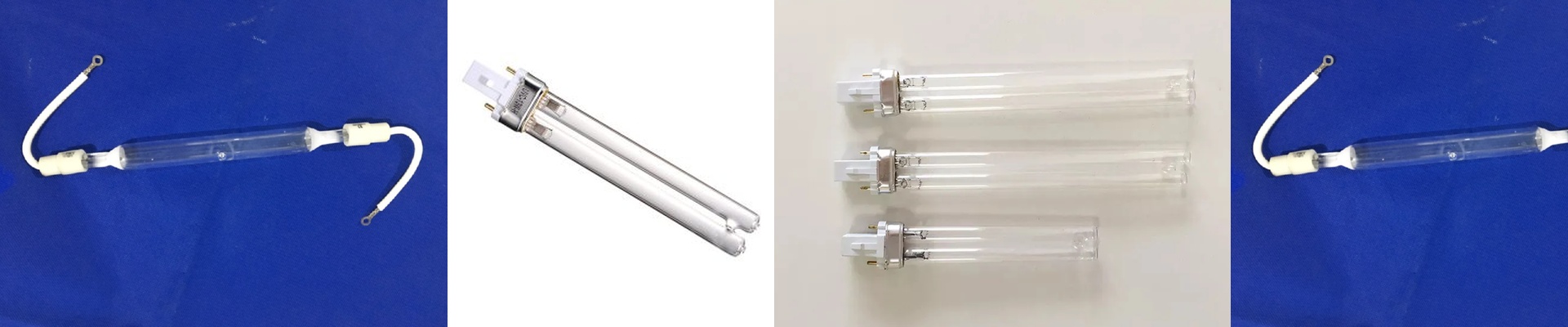
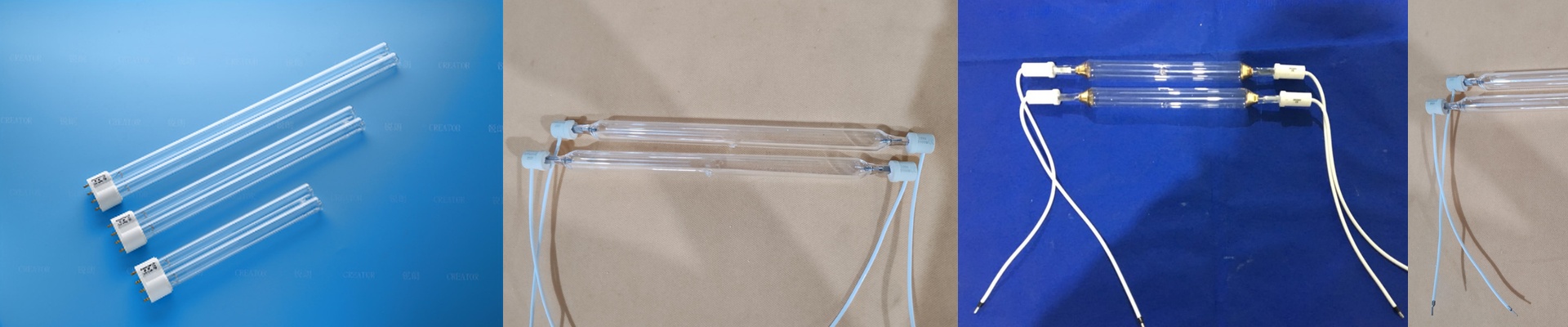
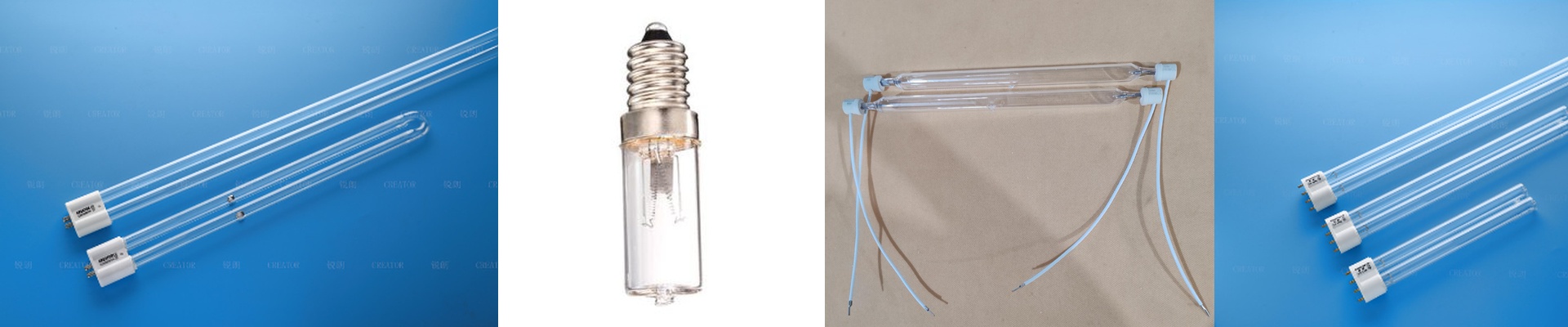
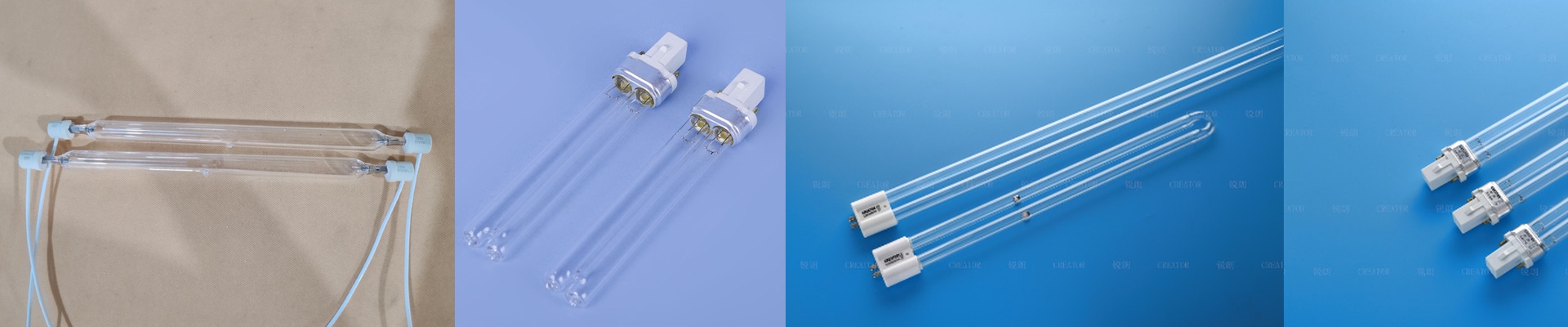
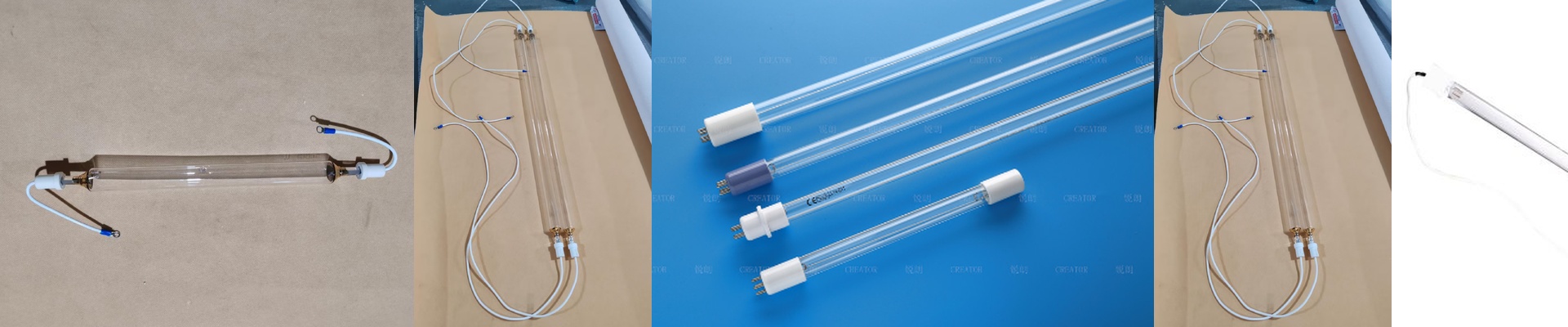
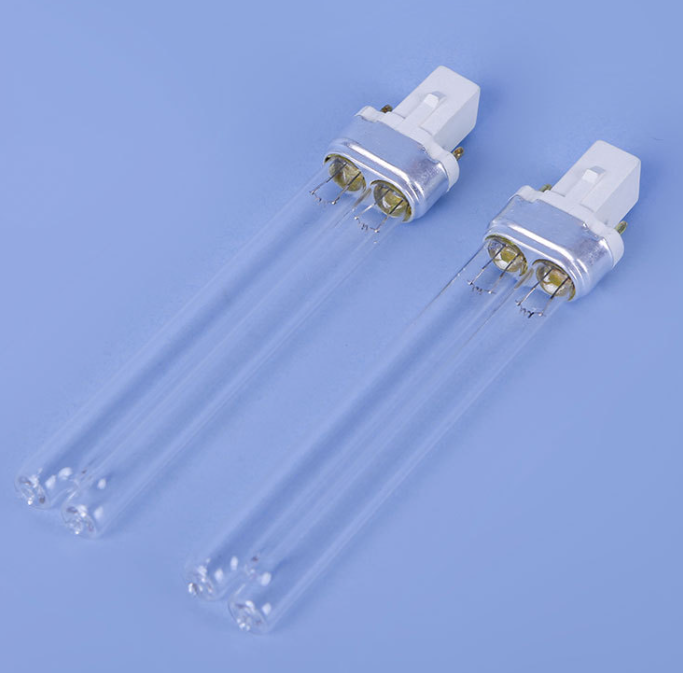
On a glass-print line, mismatched UV power doesn’t hide. You see it immediately: surfaces that stay tacky, solvent getting trapped, and adhesion failures that slip past inspection. Picking a lamp in a minute isn’t a guess. It’s lining up the lamp’s spectral output and irradiance with the press you’re running and the ink’s photoinitiator package. What matters, technically Gallium iodide lamps push the dominant output toward 365–405 nm, with strong peaks around 385 nm and 405 nm. That spectrum lines up with the photoinitiators in many glass-print UV inks and overprint varnishes, so you get efficient cross-linking with lower surface temperature. The key numbers are peak irradiance at the arc (typically 800–1,200 mW/cm² for industrial lamps), delivered energy density on the substrate (mJ/cm²), and spectral power distribution measured with a radiometer. Reflector efficiency and dichroic coatings decide how much of that energy actually hits the print, not just the lamp housing. Why this works on glass Glass prints need a deep cure without heat stress. Gallium iodide sources deliver higher photon flux in the near-UV bands, so you cure faster at the same line speed, or hold speed and back off lamp power. Output stays stable over 3,000–5,000 hours, with degradation that’s controlled enough to keep curing windows consistent. The payoff is fewer rejects, adhesion you can count on, and less energy drawn per part. Here’s the part you can’t skip: matching is machine-specific. Arc length, lamp diameter, and the connector have to fit your shutter and reflector assembly. Confirm compatibility with your press model and the ink supplier’s recommended spectral band. For thick deposits or pigmented layers, verify peak irradiance and dwell time so you cure all the way through the layer, not just the surface skin.