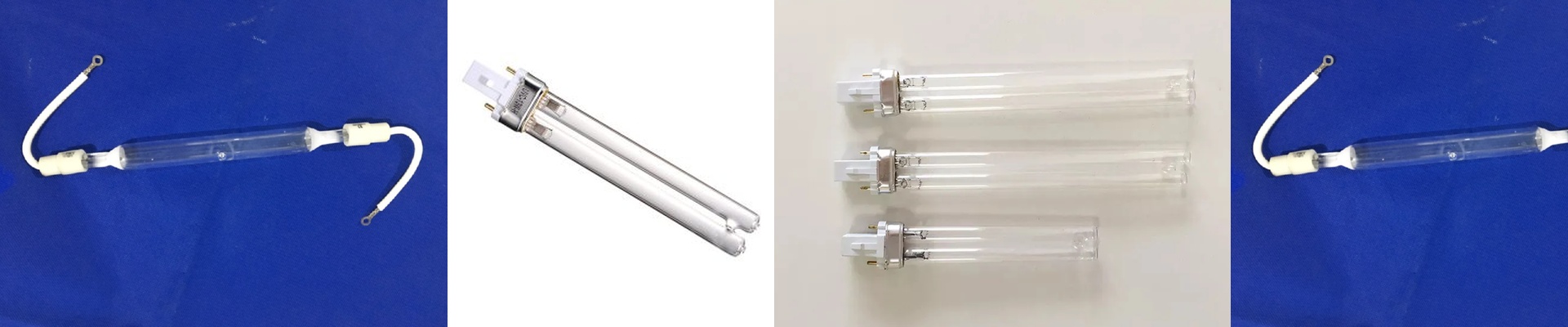
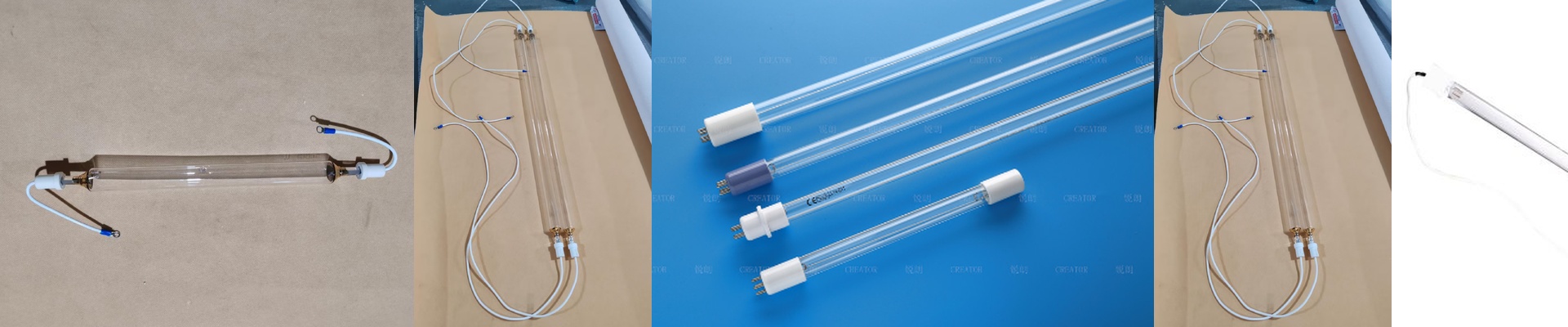
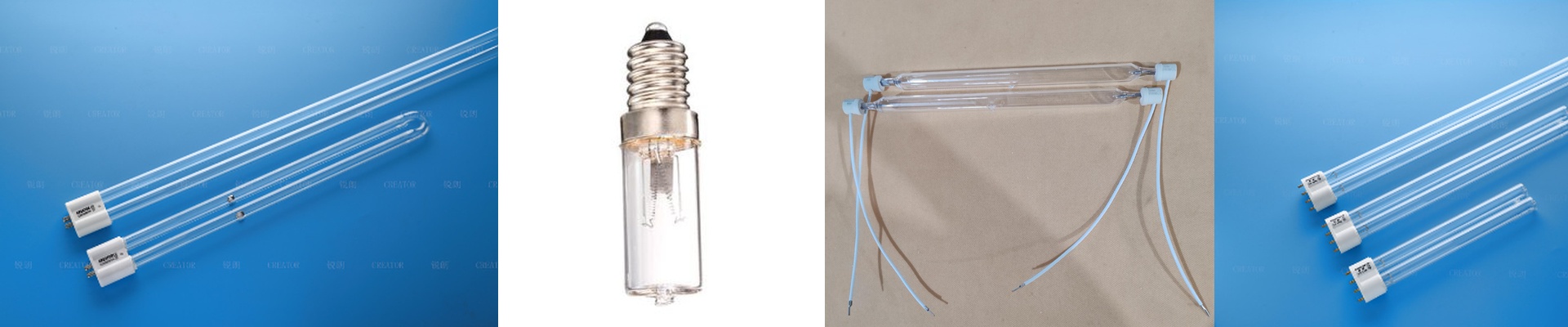
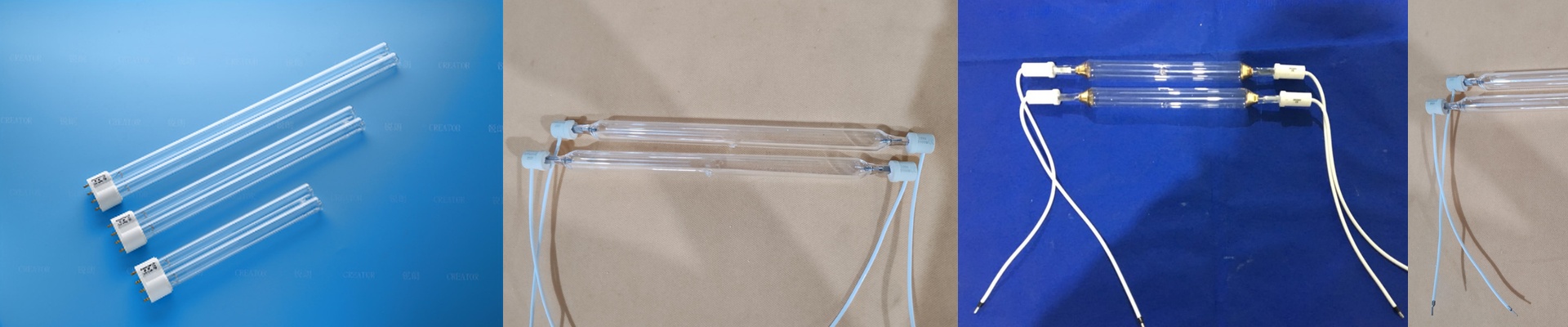
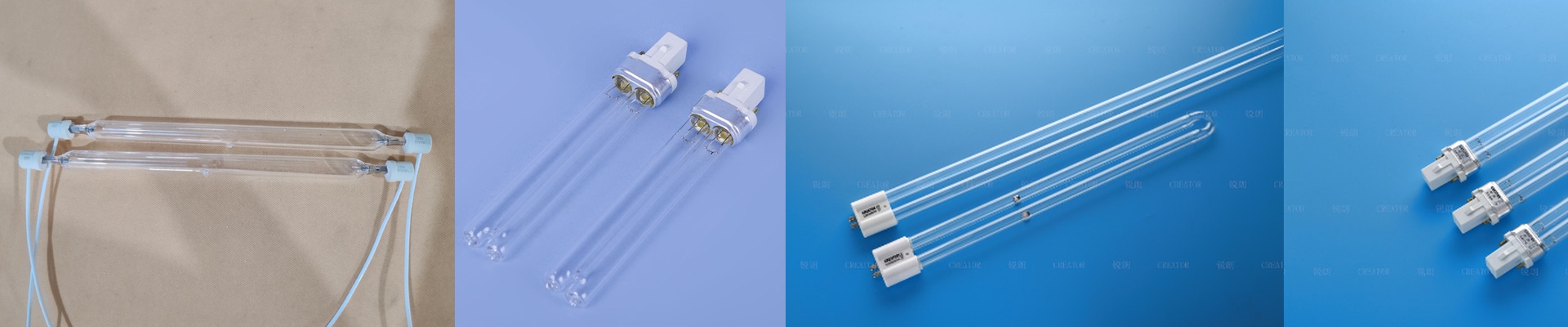
Outdoor billboard canvas printers live or die on image stability. Hit the job with wind, sun, and temperature swings, and under-cured ink folds fast—fade, crack, peel. The real question is measurable: how many years of color will you get when the cure is dialed in? With high-pressure mercury arc UV lamps, the answer starts with spectral output and ends with cross-linking density. What matters, technically Mercury arc lamps throw a broad UV spectrum that lines up with photoinitiator absorption across common formulations. You get strong output around 365 nm, plus solid lines near 313 nm and 405 nm. That breadth drives surface-to-bulk cure—not just a skin layer. Spec lamps by peak irradiance at the substrate plane (W/cm²) and delivered energy density (mJ/cm²). Wattage alone? Not enough. Keep the arc stable, keep the reflectors clean and high-reflectivity with dichroic coatings, and keep junction temperature consistent. Do that, and output stays repeatable across the lamp life. Why it works for outdoor canvas Full cure here means polymer networks that can take the UV and weather without falling apart. When the mercury arc system delivers enough energy to fully convert the ink, pigments sit inside a cross-linked matrix, not on a weak surface film. In accelerated weathering, properly cured prints show far less color shift and gloss loss because the binder resists chain scission. And on the floor, the payoff is throughput: faster line speeds without tack, and far fewer reprints from adhesion failure. The things you need to keep straight Mercury arc lamps need matched igniters, clean reflectors, and airflow that keeps junction temperature in line and prevents hot spots. Output drops as hours pile up, so schedule radiometer checks and plan lamp replacement intervals. Compatibility with your curing module isn’t a “maybe.” Verify lamp length, base, and voltage against the printer spec. You’ll get high intensity, sure—but you have to plan for the maintenance that keeps it stable.
屋外ビルボードキャンバスプリンターの成否は、画像の安定性にかかっている。風、日光、温度変化の厳しい環境にさらされると、未硬化のインクは速やかに折れ、色あせ、ひび割れ、剥離する。ここで問われるのは定量的に測定可能な事実だ。硬化条件が最適化された場合、何年分の色の持ちが得られるか。高圧水銀アークUVランプの場合、その答えはスペクトル出力に始まり、架橋密度で終わる。
技術的に重要な点 水銀アークランプは、一般的なインク処方の光開始剤吸収特性に合致する広帯域のUVスペクトルを放射する。365 nm付近に強いピーク出力を持ち、さらに313 nmおよび405 nm付近にも明確なラインがある。この広がりにより、表面層だけでなく、深部に至るまでの硬化(表面から内部への硬化)が実現される。ランプは基板面のピーク照度(W/cm²)と供給エネルギー密度(mJ/cm²)で評価される。消費電力(W)だけで判断してはいけない。
アークを安定させ、反射鏡は常に清掃し続けること。多層膜コーティングによる高反射率を維持し、接合部温度を一定に保つ。これらを守れば、ランプ寿命を通じて出力の再現性が確保できる。
屋外キャンバスに適している理由 完全硬化とは、UVや気象条件に耐えて分解しないポリマーネットワークを形成している状態を指す。水銀アークシステムが十分なエネルギーを供給しインクを完全転換させると、顔料は弱い表面膜の上にはなく、架橋マトリックス内に固定される。加速劣化試験において、適切に硬化された印刷物はバインダーが鎖切断を抑制するため、色移りや光沢低下が大幅に抑えられる。
現場レベルの効果としては、生産スループットの向上があり、高速ラインでもベタつきがなく、接着不良による再印刷が大幅に減少する。
注意すべきポイント 水銀アークランプには、適合する点火器、清掃された反射鏡、接合部温度を適正に保ちホットスポットを防ぐ送風が必要である。使用時間が蓄積するにつれて出力は低下するため、定期的な放射照度計の点検とランプ交換時期の計画を立てることが重要だ。
硬化モジュールとの互換性は「場合による」ものではない。ランプ長、口金、電圧は必ずプリンタの仕様に照らして確認する必要がある。高い出力は得られるが、それを安定的に維持するためのメンテナンス計画が必須である。