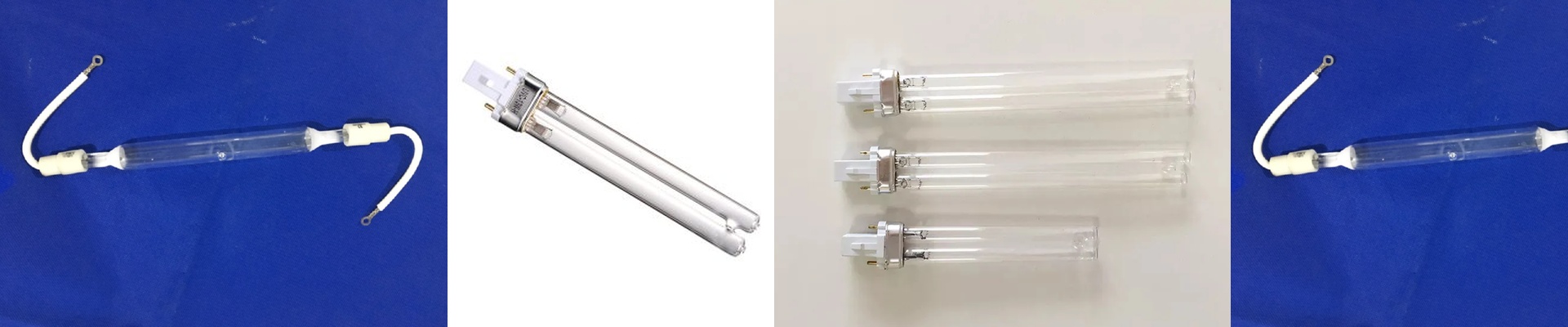
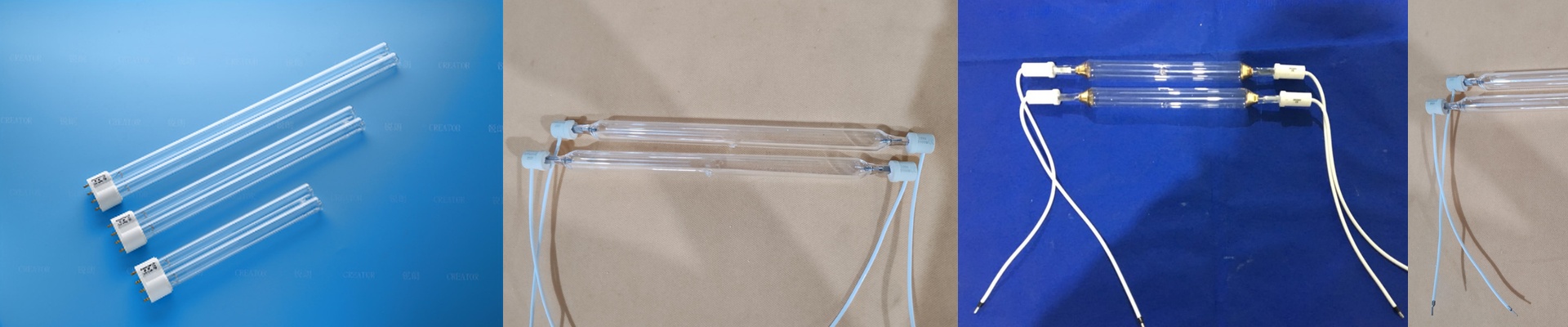
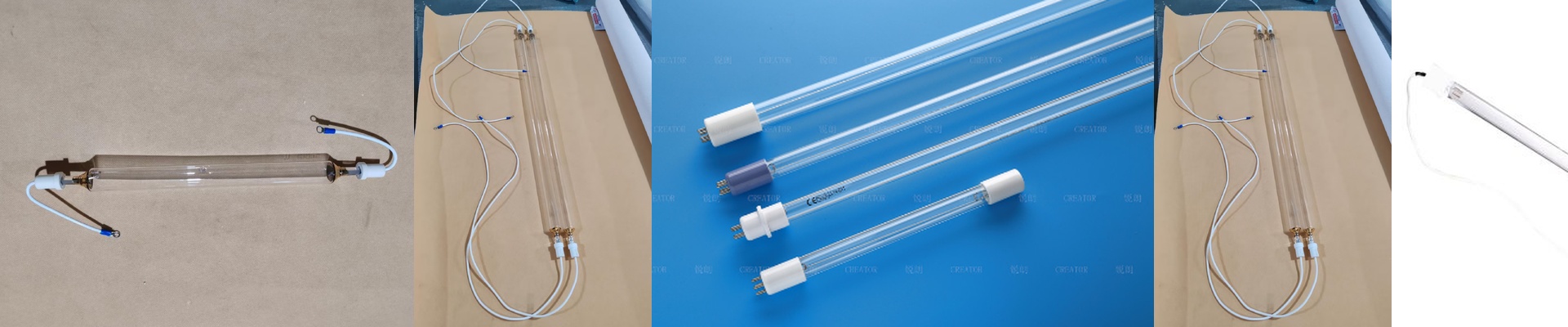
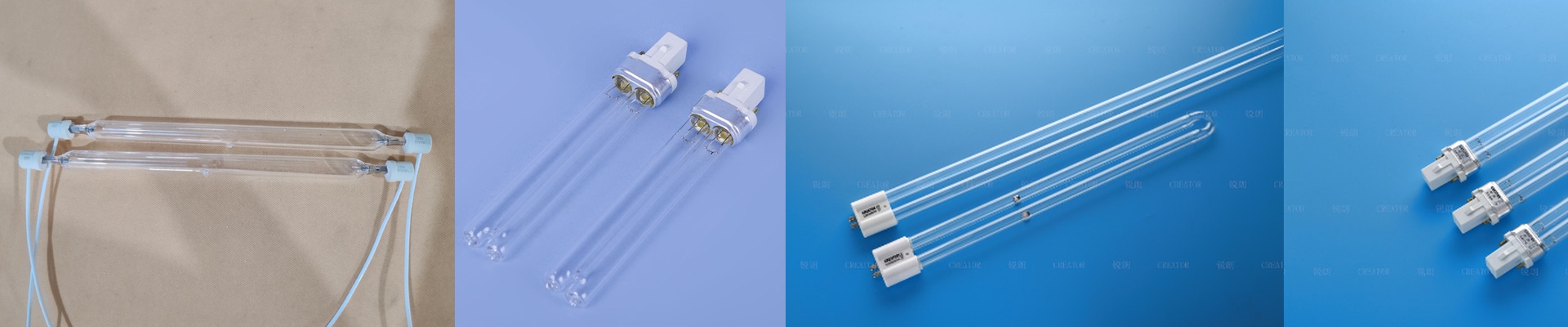
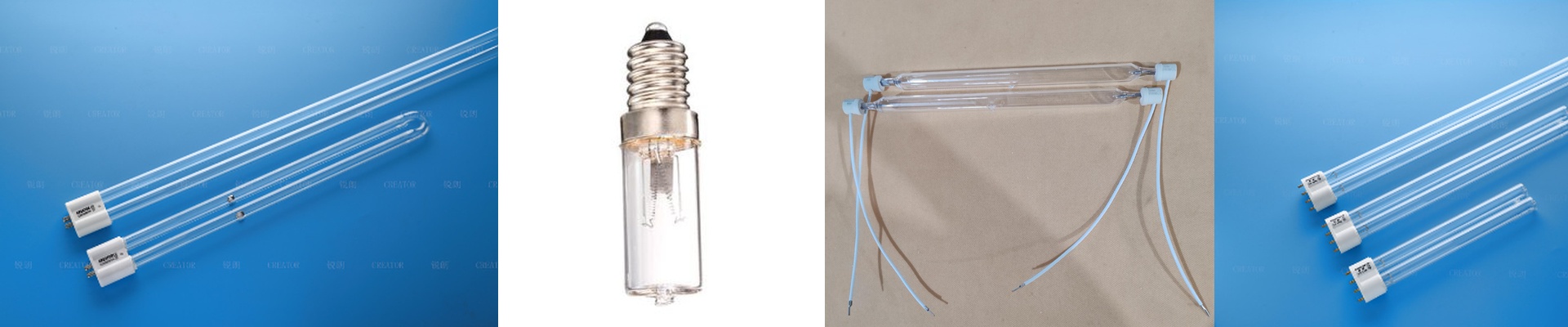
On the leak-detection line, you can’t gamble with a lamp that takes its time warming up or loses punch halfway through a run. Every flash has to be repeatable. If it isn’t, the fluorescent tracer won’t show the pinholes, and false passes slip right by. What matters under the hood We built the lamp around a low-thermal-inertia cathode, tuned for high-current ignition and a steady arc, flash after flash. Peak irradiance hits in 0.3–0.5 seconds, with stable spectral output centered at 365 nm to cleanly excite the fluorescent leak indicators. Typical operating power runs 1–3 kW. Quartz envelopes and dichroic reflectors shape the beam and keep heat off the substrate. The cathode geometry eases thermal stress, so the arc doesn’t wander between flashes. We rate lamp life at ≥100,000 flashes under controlled duty cycles, and output stays within ±5% over life, measured against a calibrated spectral radiometer. Why this design fits the job Leakage detection is all about fast, repeated flashes—not continuous curing. A conventional mercury lamp can drag its feet, and then excitation varies, which means operator readings vary. With the low-thermal-inertia approach, the arc stays stable from flash to flash, so the same mJ/cm² lands on the same spot every time. That translates into fewer re-inspections, less scrap, and cycle times you can plan around. You also save energy, because the lamp spends less time warming and more time in the exposure window you actually need. Field notes to save you headaches Match the lamp to the driver and igniter. Be specific on voltage, connector, and fixture footprint so you don’t get stuck with mismatched terminations. Keep the quartz clean. Fingerprints and coolant residues will skew spectral output. Expect a brief current spike at ignition—make sure the power supply can handle the transient without tripping protection. For repeatability that holds up, set flash duration and duty cycle based on your radiometer readings, not the label on the lamp.
בשורת גילוי נזילות, אי אפשר להסתכן עם מנורה שזקוקה לזמן התחממות או שמאבדת עוצמה במהלך פעולת ההבדיקה. כל הבזקה חייבת להיות חוזרת על עצמה. אם לא, הטרייסר הפלואורסנטי לא יראה את נקודות הדק, ותקלות עשויות להתפספס.
מה שחשוב במערכת הפנימית
בנינו את המנורה סביב קתודה עם תנודת תרמית נמוכה, מכוונת להצתה בעומס זרם גבוה ולקשת יציבה, בזיק אחר בזיק. עוצמת הקרינה שיא מגיעה תוך 0.3–0.5 שניות, עם פלט ספקטרלי יציב ומרוכז ב-365 ננומטר, כדי לגרות בצורה נקייה את מדדי הנזילות הפלואורסנטיים.
הספק תפעולי אופייני נע בין 1–3 קילווואט. מעטפות קוורץ ומחזירי אור דיכראיים מעצבים את הקרן ושומרים על חום מרחוק מהרכיב. גיאומטריית הקתודה מפחיתה עומס תרמי, מה שמונע נדידת הקשת בין בזיקות. אורך חיי המנורה מוערך ב-≥100,000 בזיקים במחזורי עבודה מבוקרים, והפלט נשאר בטווח של ±5% לאורך החיים, כפי שנמדד בעזרת ספקטרורדיאומטר מכויל.
למה העיצוב הזה מתאים למשימה
זיהוי נזילות מתבסס על בזקים מהירים וחוזרים, לא על יצירת תיקון רציף. מנורת כספית רגילה עשויה להתמהמה, וכתוצאה מזה העירור משתנה, מה שמשפיע על קריאות המפעיל. בגישה של תנודת תרמית נמוכה, הקשת נשארת יציבה מבזיק לבזיק, כך ש- mJ/cm² זהה נופל על אותו אזור כל פעם.
זה מתבטא בפחות בדיקות חוזרות, פחות פסולת וזמני מחזור שניתן לתכנן על פיהם. בנוסף, חוסכים באנרגיה כי המנורה מבלה פחות זמן בחימום ויותר זמן בחלון החשיפה הנדרש.
הערות שטח למניעת תקלות
התאימו את המנורה למניע ולמצת. היו מדויקים במתח, חיבור ופריסת התושבת כדי למנוע חיבורים לא תואמים.
שמרו על ניקיון הקוורץ. טביעות אצבעו ושאריות נוזלי קירור עלולות לעוות את פלט הספקטרום.
צפו לקפיצה קצרה בזרם בעת ההצתה — ודאו שמקור ההזנה יכול להתמודד עם השינוי החולף ללא הפעלת מגן. לצורך חזרתיות אמינה, הגדירו את משך הבזיק ומחזור העבודה על סמך קריאות הרדיומטר, לא על פי התווית שעל המנורה.