



Making UV Lamps That Don’t Mess Up the Planet
We’re changing how we build our UV lamps. The goal is simple: zero pollution. That means getting rid of the nasty stuff inside the tubes and making them last way longer so you aren’t tossing them in the trash every few months.
Ditching the Toxins
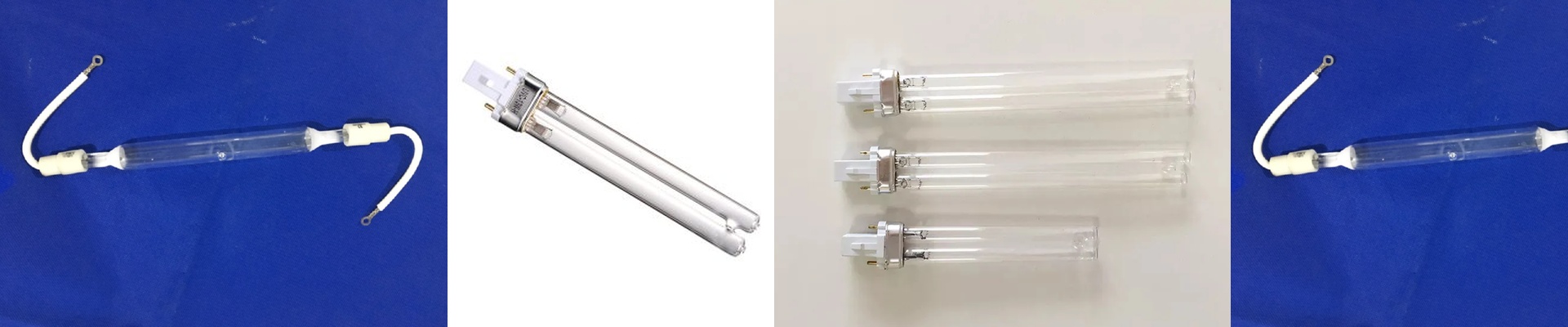
Most UV lamps use mercury vapor to get that UVC light. It works, but it’s a nightmare if a tube breaks on your shop floor. We’ve swapped that out for mercury-free alternatives and high-purity quartz glass. If one breaks, you don’t have to panic about toxic leaks. We also add some specialized dopants to the glass. It’s a bit of chemistry that filters out the “noise” and keeps the light focused exactly where it needs to be—whether you’re curing a coating or killing germs.
Built to Last
Let’s be honest: a lamp that burns out quickly is just expensive trash. We spent a lot of time obsessing over electrode stability. You know how the ends of the lamps usually turn black? We’ve pretty much fixed that. By tweaking the gas fill and current density, we’ve pushed these lamps to run way longer than the usual industry standard. It’s a win-win. You get less downtime, and the landfill gets fewer lamps.
The Catch (and how to handle it)
Now, here’s the thing. When you take out the hazardous materials, the power draw changes. Mercury-free systems are a bit pickier. They need precise ballast control to hit the same intensity as the old-school lamps. If you’re dropping these into an old rig, just double-check your power supply. You might need a new driver to get the full wattage and make sure you’re getting the punch you need.
Where this actually helps
These are built for the heavy lifting—water treatment, surface sterilization, and UV curing lines. They fit right into most standard industrial footprints, so you don’t have to rebuild your whole setup. We’ve tested them in high-heat environments, and they take a beating without losing their strength. You end up with a cleaner production line and a lot less time spent swapping out dead bulbs.